More info about this Product
Guitar pedals are compact effects units that shape and enhance a guitar’s sound, sitting between the instrument and the amplifier. They include gain pedals like overdrive and distortion, modulation effects such as chorus and tremolo, time-based effects like delay and reverb, and essential utilities including tuners, compressors and loopers. Understanding basic things such as pedal type, signal order, power requirements and intended use helps players choose pedals that suit their style, setup and playing environment.
More Gear like this
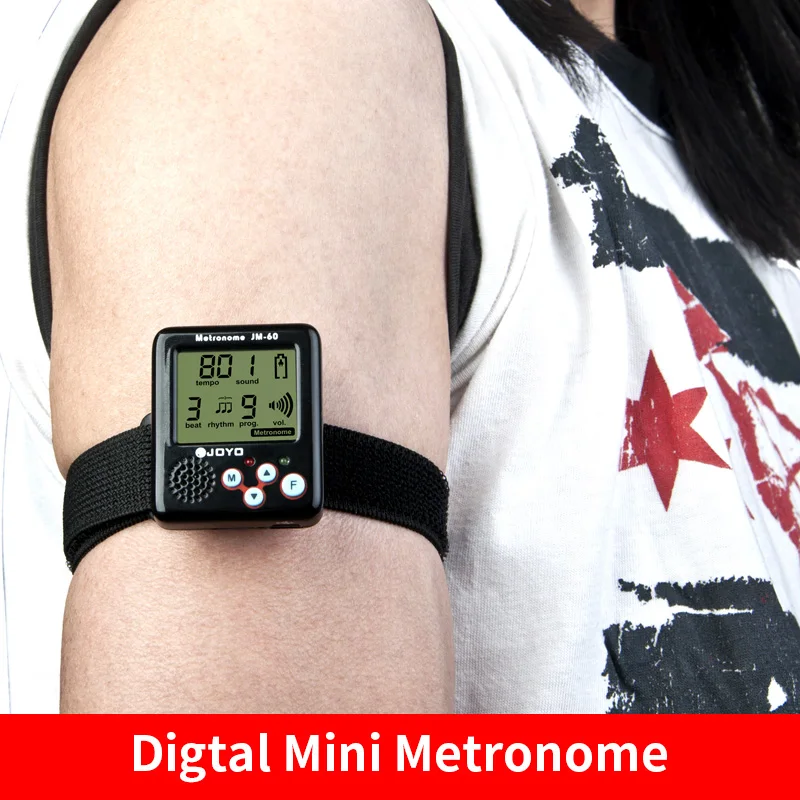
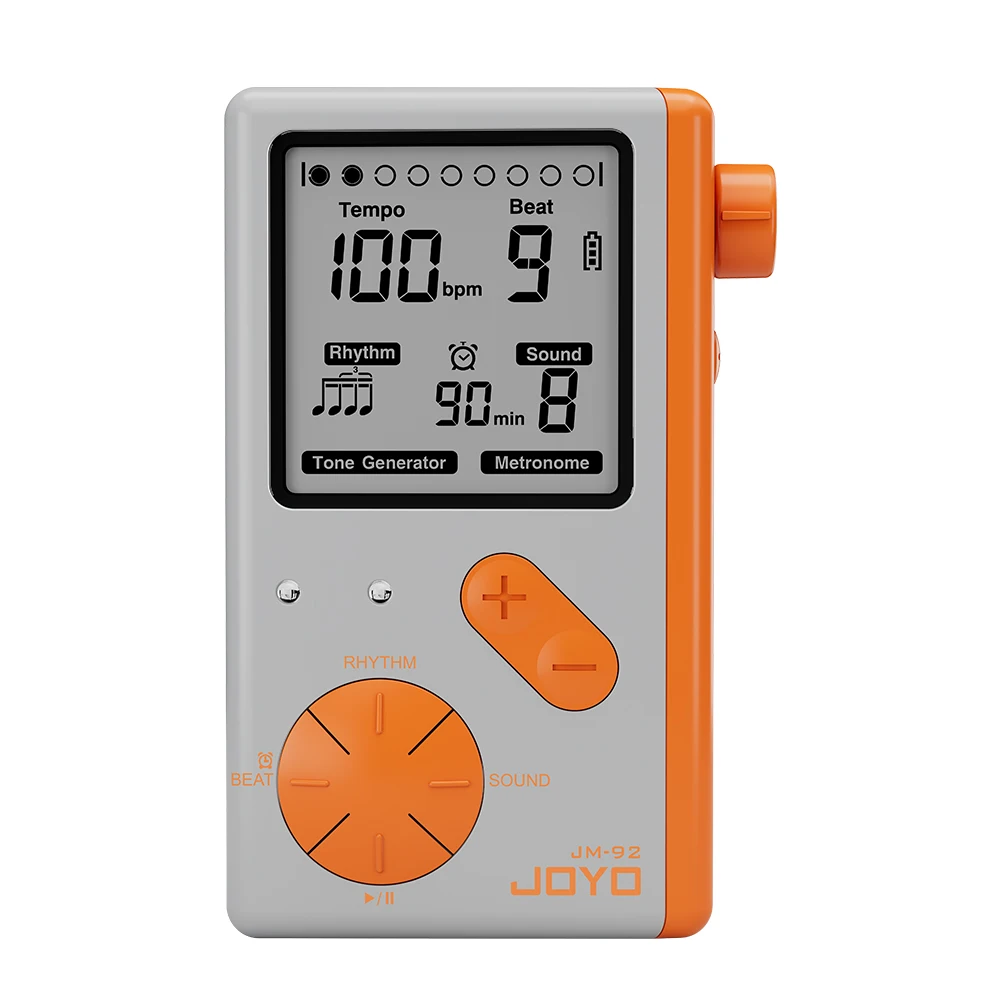
Converts the signal or control process into numerical data for algorithmic processing. Digital designs can provide precise timing, long memory, complex routing and repeatable presets; sample rate, conversion, internal resolution and latency influence fidelity and response.
Uses a reduced-width enclosure to conserve pedalboard space. The smaller format can limit battery access, footswitch spacing and the number or size of controls, while side-mounted sockets and power placement determine how much space is actually saved once connected.
Tuners detect pitch and show whether a note is sharp, flat or in tune. Pedal, clip-on and integrated formats differ in muting, display visibility, accuracy, response speed and support for altered tunings. Check the product format and connections as well as the stated tuning range.