More info about this Product
Guitar pedals are compact effects units that shape and enhance a guitar’s sound, sitting between the instrument and the amplifier. They include gain pedals like overdrive and distortion, modulation effects such as chorus and tremolo, time-based effects like delay and reverb, and essential utilities including tuners, compressors and loopers. Understanding basic things such as pedal type, signal order, power requirements and intended use helps players choose pedals that suit their style, setup and playing environment.
Multi-effects pedals combine several effect types, routing stages and often amplifier or cabinet modelling in one floor unit. Their usefulness depends on more than the number of sounds: preset organisation, footswitch layout, switching gaps, expression control, signal-path flexibility, audio quality, USB and MIDI support all affect how naturally the unit works in practice, recording or performance.
More Gear like this
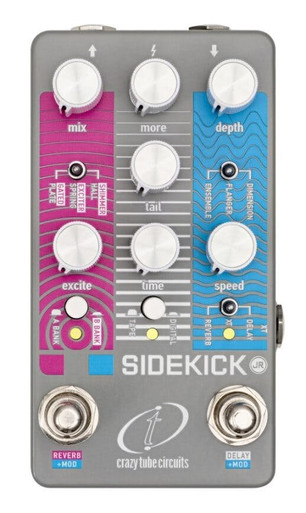
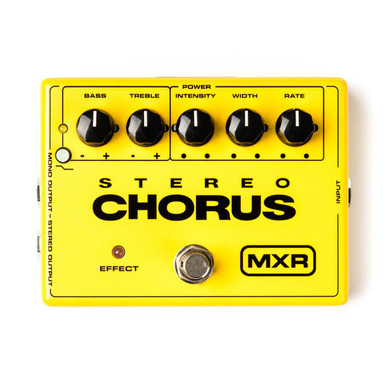
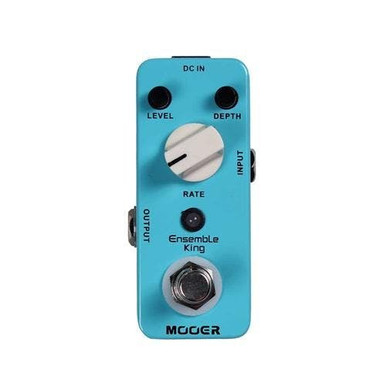
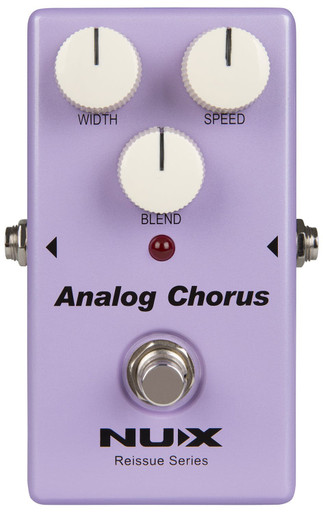
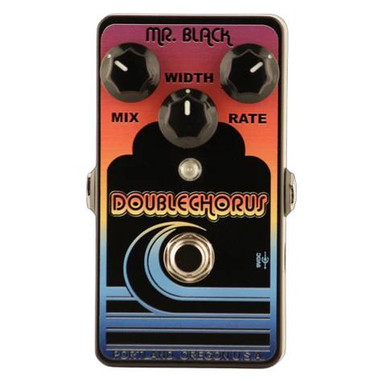
Chorus is a modulation effect that thickens and widens a sound by duplicating the signal, slightly detuning it, and modulating its pitch over time. This creates the impression of multiple instruments playing together, resulting in a rich, shimmering, and spacious tone.
It is commonly used on guitar, bass, and keyboards to add movement and depth, working especially well with clean or lightly driven sounds. Chorus became strongly associated with 1980s music but remains widely used across pop, rock, ambient, and modern styles for its ability to make a sound feel fuller and more animated.
Delay is an effect that records the guitar signal and plays it back after a short period of time, creating an echo or repeat. By adjusting the time, feedback, and level, delay can add subtle depth and space or produce rhythmic, expressive repeats that enhance lead lines, ambient textures, and overall atmosphere.
Flanger is a modulation effect that creates a sweeping, jet-like sound by mixing the original signal with a slightly delayed copy that is continuously modulated. As the delay time changes, it produces a series of moving peaks and notches in the frequency response, giving the effect its distinctive whooshing character.
It is often used to add dramatic movement and texture to guitars, basses, and synthesizers, ranging from subtle shimmer to intense, psychedelic sweeps. Flanger is commonly associated with classic rock and experimental sounds, but it remains widely used wherever bold modulation and motion are wanted.
Guitar pedals alter, route, control or support an instrument signal from the floor. The tag covers individual effects, multi-effects, switching, tuning, looping, amplification and pedalboard utilities. The product category and additional effect tags identify the specific job each pedal performs.
Reverb (short for reverberation) is an audio effect that simulates the natural reflections of sound in a physical space. When you play in a room, hall, or cathedral, the sound waves bounce off the walls, ceiling, and floor, creating a sense of depth and ambience. Reverb pedals and processors recreate this effect electronically, allowing guitarists and producers to shape how “big” or “live” their sound feels. From short, springy echoes that mimic vintage amp tanks to lush, atmospheric washes used in ambient or shoegaze music, reverb adds dimension and realism — turning a dry, flat tone into something immersive and expressive.