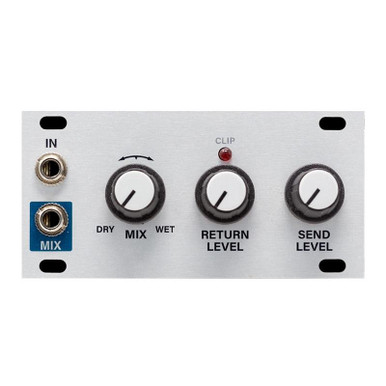
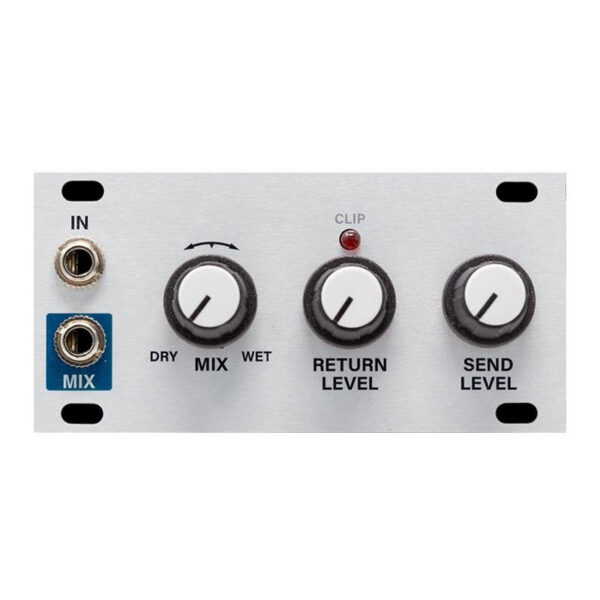
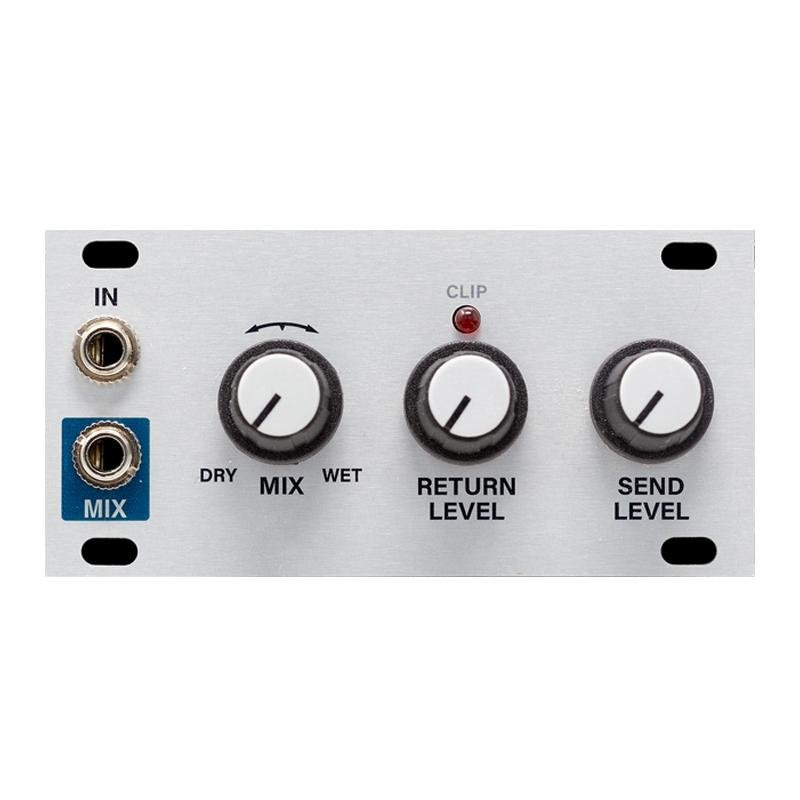
Intellijel Pedal I/O 1U Guitar Effects Send/Return Eurorack Module

View more in ,
Tags: , ,
View more by

As an affiliate partner, we may earn a small commission when you buy through our links — at no extra cost to you.

£87.00

This is the Intellijel Pedal I/O 1U Guitar Effects Send/Return Eurorack Module from Intellijel, listed in Guitar Pedals on guitars pedals amps and stuff.. Read More below.

Description

Here's what Intellijel says about the Pedal I/O 1U:

Rack meet Guitar, Guitar meet rack

Open your rack to the world of guitar effects: delays, choruses, flangers, phasers, fuzz boxes, tremolos, wah-wahs, amp simulators, compressors, pitch shifter, and more. Open your guitar to the world of eurorack: filters, ring mods, wave folders, sequencers, and — most importantly — the unique CV modulation delights inherent to your rack.

Best Of Both Worlds

The Pedal I/O 1U system enables the modular synthesist to interact with the impressive assortment of delays, choruses, flangers, phasers, fuzz boxes, tremolos, wah-wahs, amp simulators, compressors and pitch shifter pedals available to guitarists. Conversely, it also grants guitarists access to the myriad filters, ring mods, wavefolders and — most importantly — the near infinite CV modulation delights inherent in eurorack. The Pedal I/O is more than just a simple level shifter — it’s also an impedance converter, which provides proper drive and loading for any FX pedals or instruments you connect.

The Pedal Interface 1U module connects either to the Pedal I/O Jacks 1U module, or directly to our 7U cases using the 7U Case Adaptor. Two Pedal Interface modules can be connected to a 7U case in this manner, with one taking the left input and output on the case, while other takes the right.

Features

  • Use the Pedal I/O’s RETURN circuit as a “direct box” for connecting any instrument.
  • Signals arriving at the Pedal I/O System pass through a Class A triode emulator, allowing for some tube-like overdrive at high gain setting.
  • Separate gain controls on both the SEND and RETURN.
  • Use Pedal I/O in the studio as an active “re-amping” device to play pre-recorded tracks back through guitar amplifiers or pedals.
  • Low MIX output impedance for driving long cables, lower noise, and minimum interference from outside sources.

Specifications

  • Width: 16HP
  • Depth: 29mm
  • Power: 10mA @ 12V, 10mA @ -12V

About the manufacturer

Intellijel

More info about this Product

Fuzz Pedals

Guitar Pedals

Guitar pedals are compact effects units that shape and enhance a guitar’s sound, sitting between the instrument and the amplifier. They include gain pedals like overdrive and distortion, modulation effects such as chorus and tremolo, time-based effects like delay and reverb, and essential utilities including tuners, compressors and loopers. Understanding basic things such as pedal type, signal order, power requirements and intended use helps players choose pedals that suit their style, setup and playing environment.

More Gear like this

Fuzz

Fuzz is one of the earliest and most distinctive guitar effects, known for its thick, gritty, and saturated tone that completely transforms your sound. It works by heavily clipping the audio signal, producing a raw, almost broken distortion that defined the sound of the ’60s and ’70s rock era. Classic pedals like the Fuzz Face and Big Muff became legendary for their roaring sustain and rich harmonic texture. Modern fuzz pedals range from vintage-style warmth to wild, synth-like chaos, making them perfect for players who want to add character, attitude, and a touch of chaos to their tone.

Guitar Pedal

Wah

Wah pedals are all about expression. By rocking the foot pedal back and forth, you sweep through frequencies to create that classic vocal-like “wah-wah” sound. From funk to rock solos, the wah adds movement, personality, and attitude to your tone. Think Hendrix, Clapton, or Slash — each used a wah to make their guitar sing. Whether you prefer a classic Cry Baby or a modern auto-wah, this effect remains one of the most recognisable sounds in guitar history.