About the manufacturer
M-Vave appears on GPAS in compact multi-effects and practice equipment, including the Cube Baby, MINI-EFX, H8 headphone amplifier, looper and tuner pedals. The range is suited to portable practice and simple all-in-one setups where rechargeable power and a small footprint matter. Compare the available effects, presets, inputs and outputs, battery arrangements, Bluetooth or app functions and the exact accessories included with each model.
More info about this Product
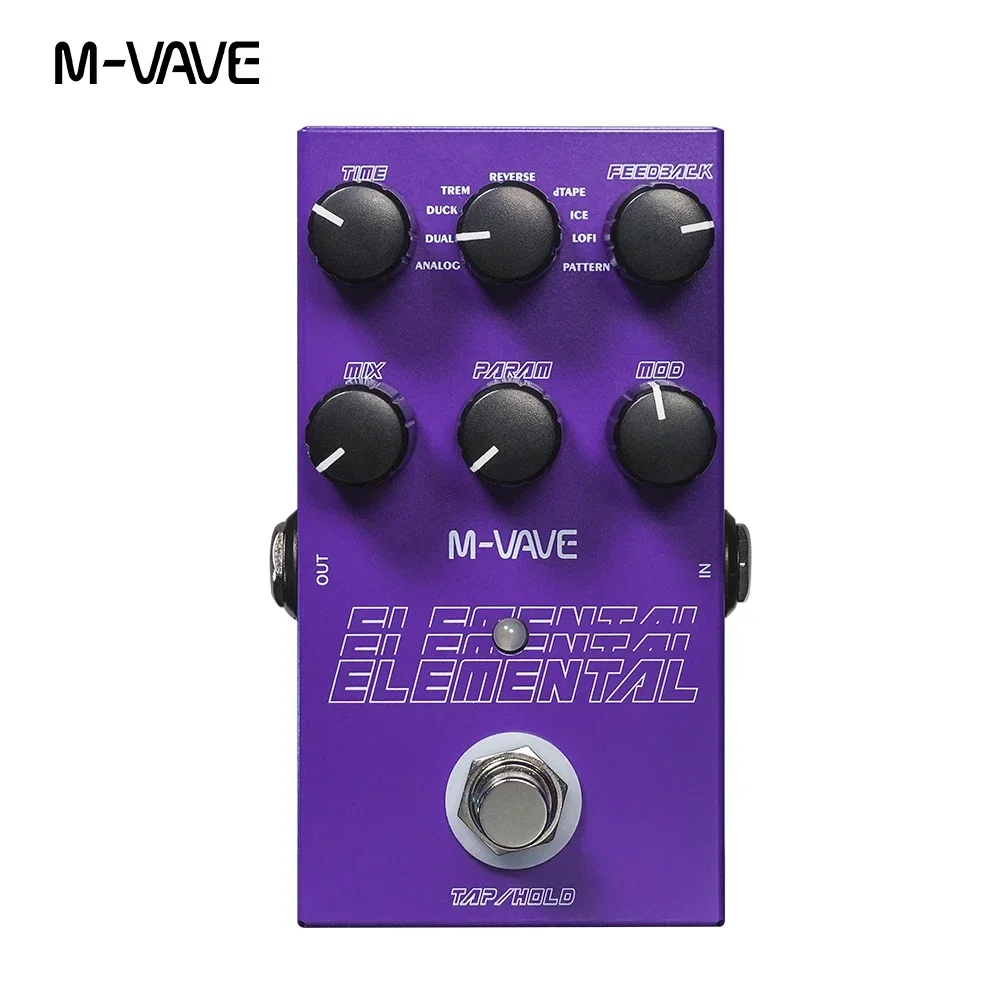
Guitar pedals are compact effects units that shape and enhance a guitar’s sound, sitting between the instrument and the amplifier. They include gain pedals like overdrive and distortion, modulation effects such as chorus and tremolo, time-based effects like delay and reverb, and essential utilities including tuners, compressors and loopers. Understanding basic things such as pedal type, signal order, power requirements and intended use helps players choose pedals that suit their style, setup and playing environment.
Multi-effects pedals combine several effect types, routing stages and often amplifier or cabinet modelling in one floor unit. Their usefulness depends on more than the number of sounds: preset organisation, footswitch layout, switching gaps, expression control, signal-path flexibility, audio quality, USB and MIDI support all affect how naturally the unit works in practice, recording or performance.
More Gear like this
Guitar pedals alter, route, control or support an instrument signal from the floor. The tag covers individual effects, multi-effects, switching, tuning, looping, amplification and pedalboard utilities. The product category and additional effect tags identify the specific job each pedal performs.
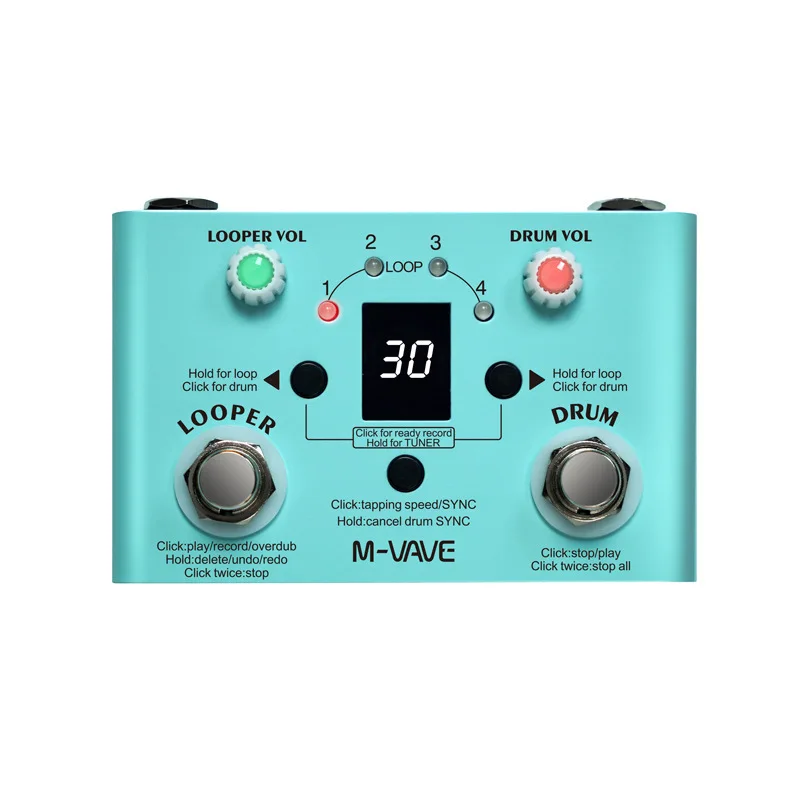
Looper pedals let you record and layer your own playing in real time, building riffs, rhythms, and melodies into full arrangements. They’re brilliant for solo performers, practice sessions, and creative experimentation — turning one guitarist into an entire band. From simple one-button loopers to advanced multi-track units with effects and storage, a good looper brings endless inspiration right under your foot.
Contains a battery designed to be recharged inside the unit. Cell capacity determines operating time, while charging connector, charge-while-playing support, battery protection and eventual replacement access affect long-term use. Charging noise and the number of full cycles before capacity declines are additional design considerations.
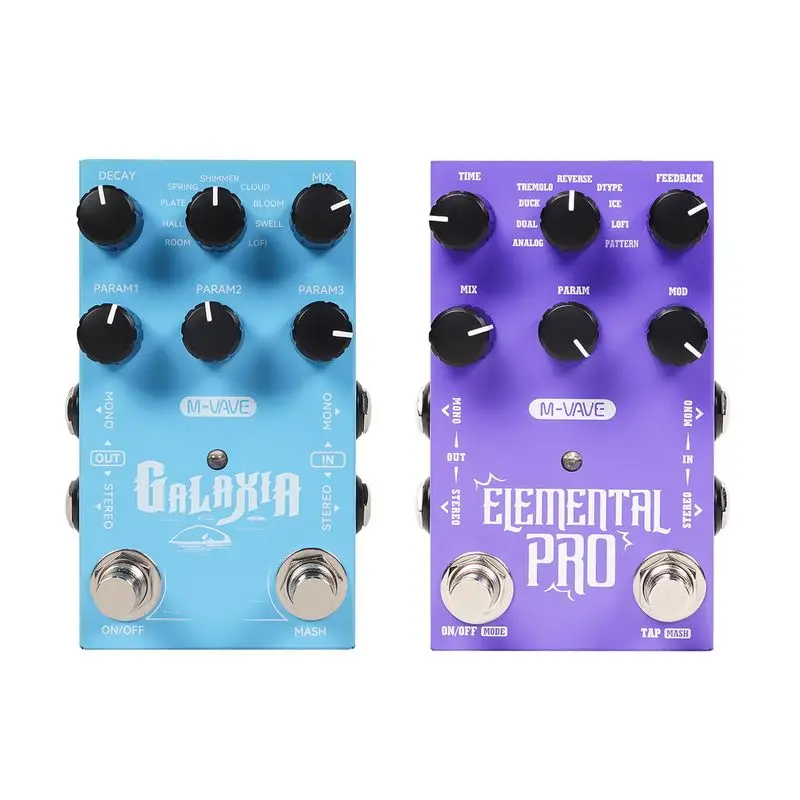
Reverb (short for reverberation) is an audio effect that simulates the natural reflections of sound in a physical space. When you play in a room, hall, or cathedral, the sound waves bounce off the walls, ceiling, and floor, creating a sense of depth and ambience. Reverb pedals and processors recreate this effect electronically, allowing guitarists and producers to shape how “big” or “live” their sound feels. From short, springy echoes that mimic vintage amp tanks to lush, atmospheric washes used in ambient or shoegaze music, reverb adds dimension and realism — turning a dry, flat tone into something immersive and expressive.
Stereo refers to an audio setup that uses two separate channels, left and right, to create a sense of width, space, and direction in sound. By sending slightly different signals to each channel, stereo allows effects and instruments to feel more immersive and three-dimensional compared to a single mono signal.
In guitar and audio equipment, stereo is commonly used with delays, reverbs, modulation effects, and multi-amp rigs to enhance depth and movement. Stereo setups can make a sound feel wider and more spacious, especially in recording or live environments where separation between speakers can be clearly heard.