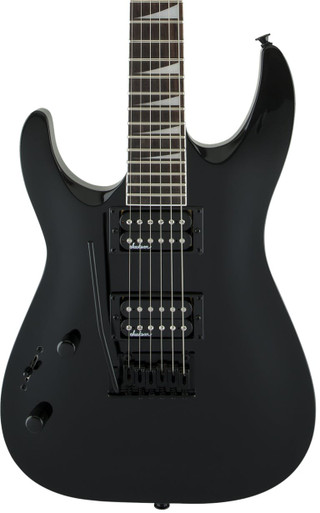
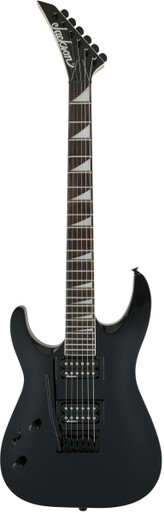
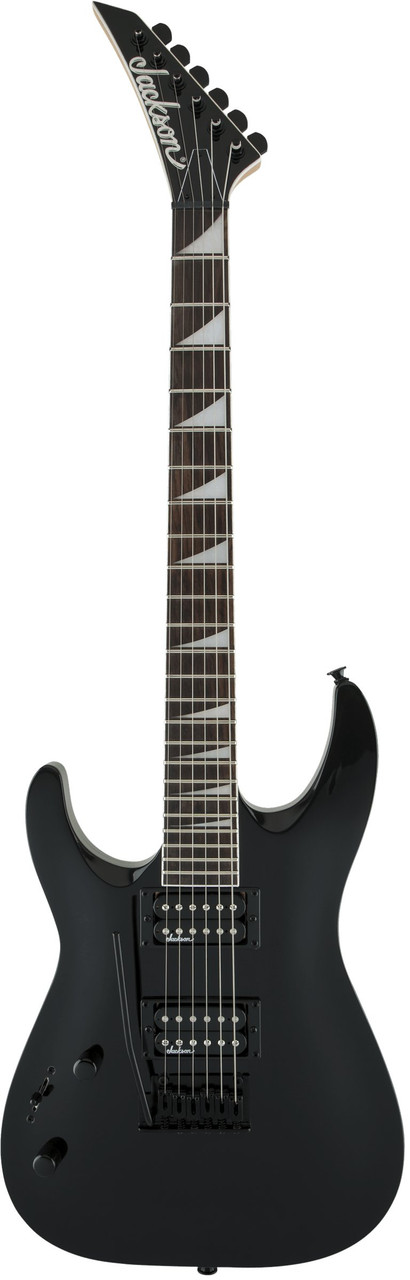
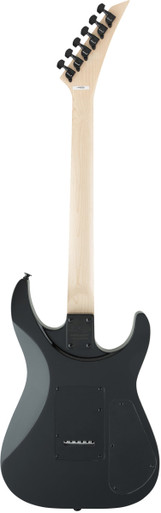
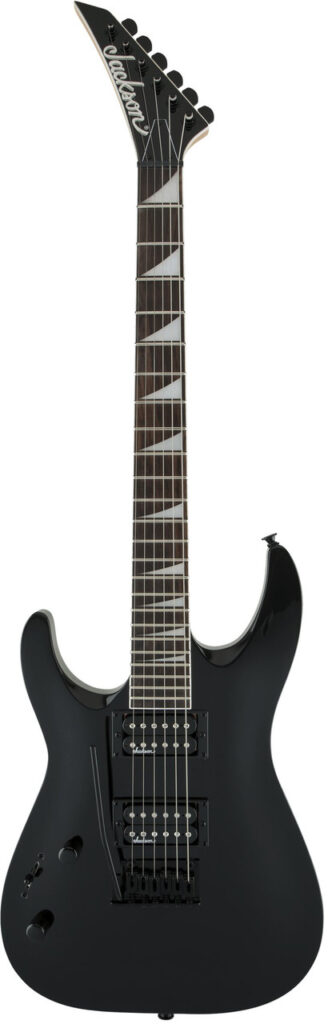
Jackson JS22L Dinky DKA Archtop in Gloss Black Left Handed with Amaranth Fretboard

As an affiliate partner, we may earn a small commission when you buy through our links — at no extra cost to you.

£239.00

This is a New Jackson JS22L Dinky DKA Archtop in Gloss Black Left Handed with Amaranth Fretboard from , now available in the Guitar category on Guitars Pedals Amps and Stuff.. Read More below.

Description

A brilliant blend of high quality craftsmanship and affordability, the Jackson JS22L Dinky DKA Gloss Black gives you more features than ever, for less money! Allowing more people the chance to play with that classic Jackson tone, the JS22L Dinky DKA doesn't disappoint with a new high-output ceramic magnet pickups giving you a brash, high output tone that really accentuates the upper mids and treble registers particularly.

With a sleek arched top, bound fingerboards and headstocks plus black hardware, you will be getting every ounce of your money back plus added extras with the Jackson JS22L Dinky DKA Gloss Black.

Here's what Jackson say about the Jackson JS22L Dinky DKA Gloss Black

Swift, deadly and affordable, Jackson JS Series guitars take an epic leap forward, making it easier than ever to get classic Jackson tone, looks and playability without breaking the bank. Upgraded features such as arched tops, new high-output ceramic-magnet pickups, graphitere inforced maple necks, bound fingerboards and headstocks, and black hardware deliver more for less.

The JS22L Dinky Arch Top has an elegantly arch-topped basswood body, bolt-on maple speed neck with graphite reinforcement, compound-radius (12”-16”) bound Amaranth fingerboard with 24 jumbo frets and pearloid sharkfin inlays, and a bound headstock. Other features include dual high-output Jackson humbucking pickups with ceramic magnets and three-way blade switching, synchronized fulcrum tremolo bridge, black hardware and die-cast tuners.

Specifications

  • Series: JS
  • Body Shape: Dinky
  • Body Wood: Archtop Basswood
  • Body Finish: Gloss Polyurethane
  • Headstock: Jackson Pointed 6-in-Line
  • Neck: 1-Piece Bolt-On Maple Speed Neck with Graphite Reinforcement
  • and Scarf Joint
  • Neck Finish: Gloss Polyester
  • Neck Binding: 1-Ply White
  • Nut Width: 1.625" (41.3 mm)
  • Fingerboard: Amaranth, 12" to 16" Compound Radius (304.8 mm to 406.4 mm)
  • Frets: 24, Jumbo
  • Position Inlays: White Pearloid Sharkfin
  • Scale Length: 25.5" (648 mm)
  • Hardware: Black
  • Bridge: 2-Point Synchronized Fulcrum Tremolo
  • Tuning Machines: Jackson Sealed Die-Cast
  • Strings: NPS, .009-.042 Gauges
  • Pickup Configuration: H/H
  • Pickups: Jackson JE10 High Output Humbucking (Bridge and Neck)
  • Pickup Switching: 3-Position Blade: Position 1. Bridge Pickup, Position 2. Bridge and Neck Pickups, Position 3. Neck Pickup
  • Controls: Master Volume, Master Tone
  • Other Features: Arched top basswood body, high output Jackson humbucking pickups with ceramic magnets, white binding on neck and headstock
About the manufacturer

Jackson

Jackson is a legendary guitar brand synonymous with speed, power, and precision, particularly loved by metal and hard rock players. Founded in the early 1980s by Grover Jackson, the company quickly gained fame for its sleek designs, sharp headstocks, and fast-playing necks. Models like the Soloist, Dinky, and Rhoads became stage staples for shredders and virtuosos alike. With high-output pickups, aggressive styling, and flawless playability, Jackson guitars deliver the punch and clarity demanded by modern players. From classic metal icons to new-generation performers, Jackson remains a symbol of technical excellence and uncompromising performance.

More info about this Product

Electric Guitars

Electric guitars use magnetic pickups to convert string vibration into an electrical signal, allowing the sound to be shaped through amplifiers and effects. Key things to understand include body shape, pickup type, neck profile, scale length and bridge design, as these all affect tone, feel and sustain. They are used across almost every modern genre, from clean and expressive to high-gain and aggressive styles, making them one of the most versatile instruments available.

Guitar

Explore electric, acoustic and bass guitars across a wide range of playing styles, body shapes and specifications. The most useful differences include scale length, construction, pickup type, neck profile, materials and whether the instrument is intended for amplified, acoustic or hybrid use. Use the narrower guitar categories and feature tags to compare instruments with similar designs rather than relying on appearance alone.

S Style Electric Guitars

S style electric guitars are known for their comfortable contours, versatile tones, and expressive playability. Typically featuring a double-cutaway body and a vibrato bridge, they offer easy access to higher frets and a naturally balanced feel whether standing or seated. Their pickup configurations often favour clarity and articulation, making them well suited to clean sounds, edge-of-breakup tones, and expressive lead playing, while still handling heavier styles with the right setup. S style guitars are valued for their responsiveness to touch and dynamics, making them a popular choice for players who want an instrument that feels fluid, familiar, and adaptable across a wide range of music.

More Gear like this

Electric Guitar

Electric guitars use pickups to convert string vibration into an amplified signal. Tagged products may differ in body construction, scale length, bridge type, pickup layout and switching, all of which affect feel and tonal range. Use the more specific body-shape, pickup and construction tags to narrow the comparison.

Left Handed

Left-handed guitars are built specifically for left-handed players, with the body shape, controls, and string orientation reversed to provide a natural and comfortable playing experience. Available across electric, acoustic, classical, and bass styles, they offer the same variety of tones, features, and build quality as right-handed models. Using a properly designed left-handed guitar helps with balance, technique, and confidence, allowing players to focus on developing their sound without having to adapt to an instrument that doesn’t suit the way they play.