About the manufacturer
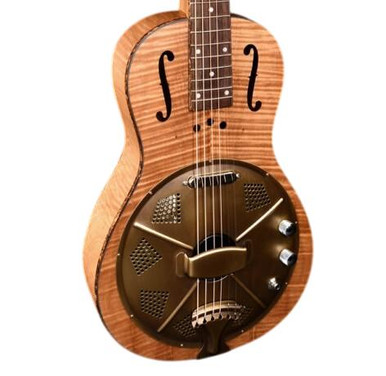
Johnson is represented on GPAS by electro-acoustic resonator guitars, including parlour and cutaway models in the 860E, 960E and 994E range. These instruments combine resonator character with amplified acoustic-guitar formats, so body construction, cone design, scale, neck dimensions and pickup system all matter. Compare the exact model, finish, left- or right-handed format, electronics and supplied accessories before choosing.
More info about this Product
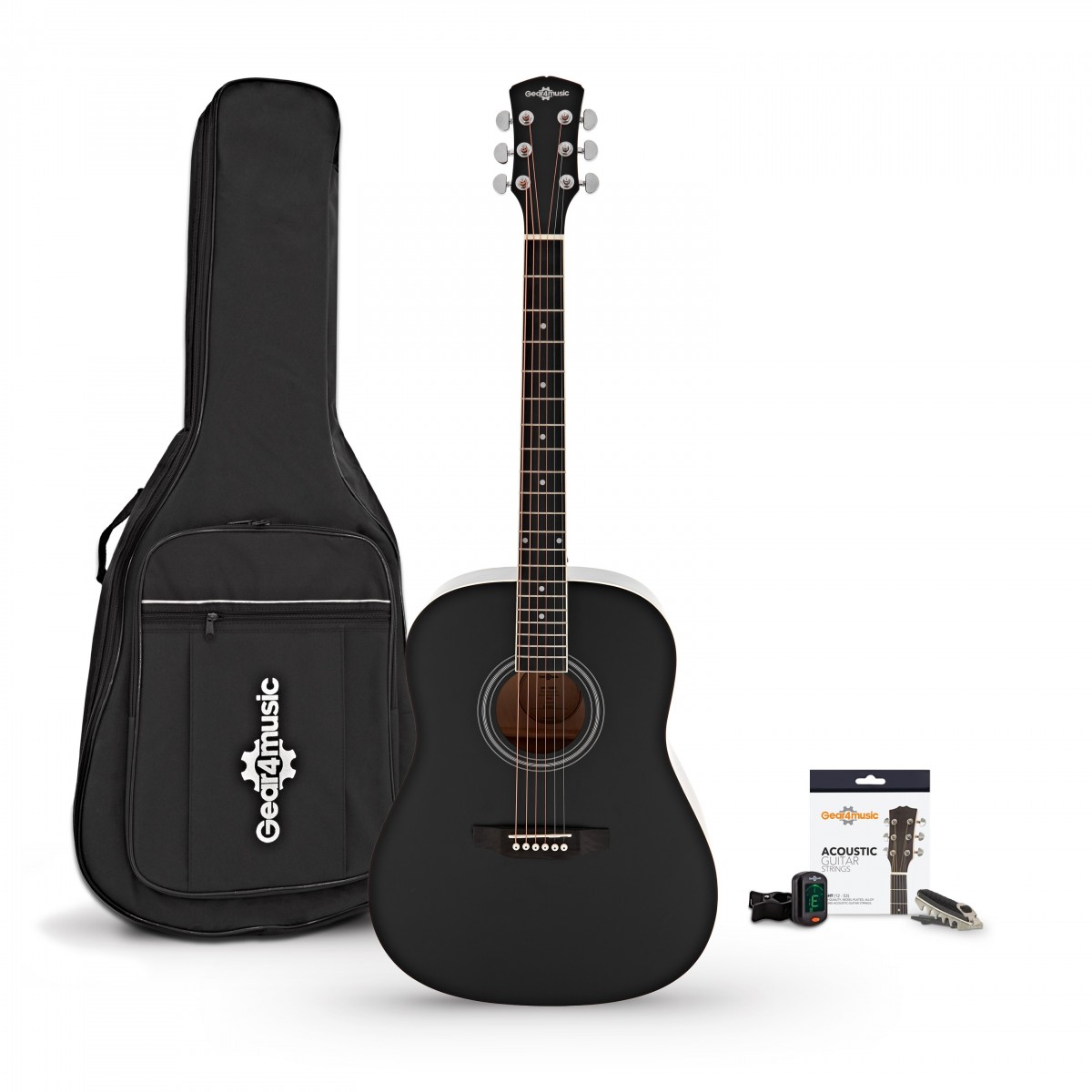
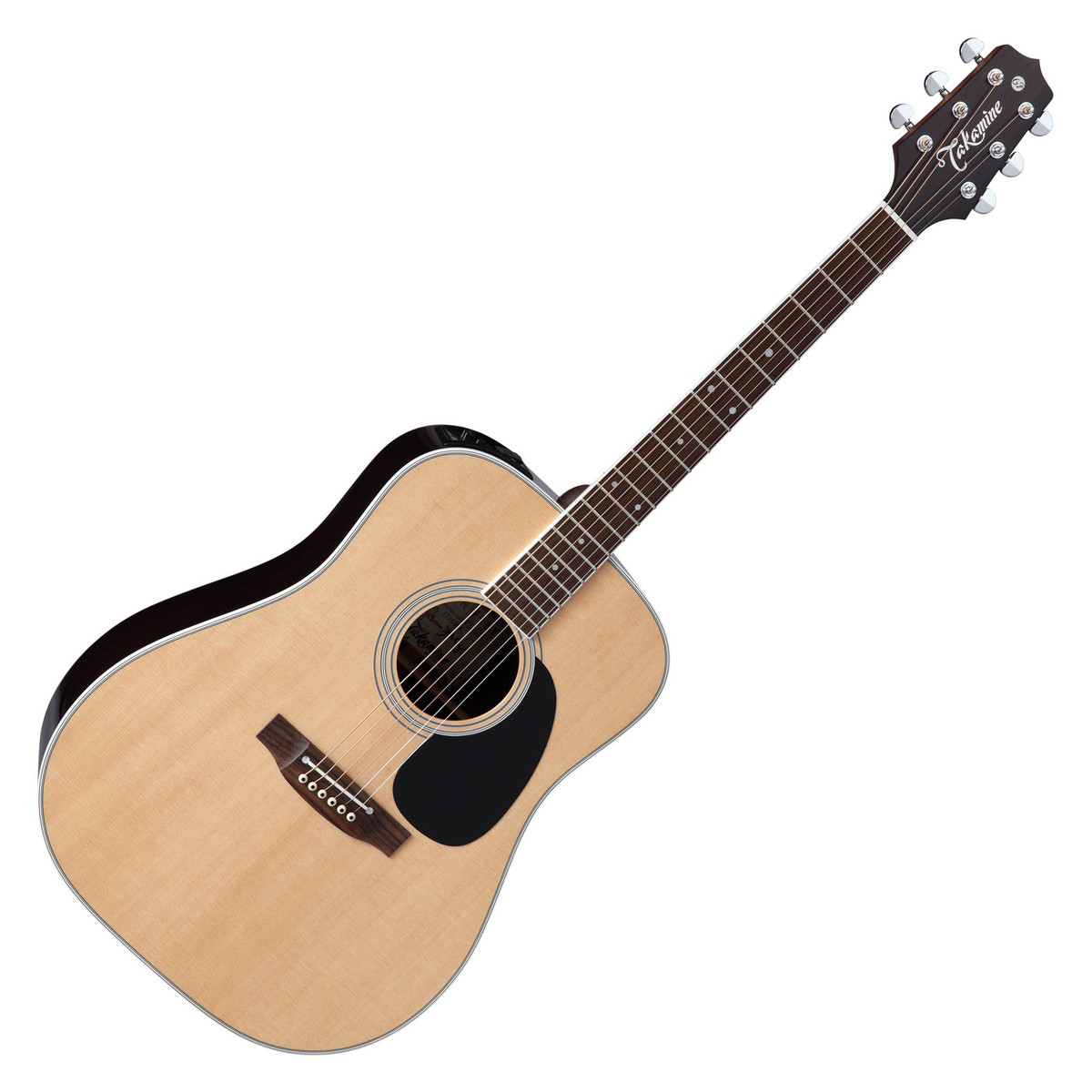
Acoustic guitars produce their sound naturally through the vibration of the strings and body, offering a direct and expressive playing experience. They come in a wide range of styles, including steel string and classical designs, each with its own feel and tonal character. Body shape, wood choice, and construction all influence warmth, projection, and balance, making acoustics suitable for everything from gentle fingerstyle to confident strumming. Whether used for songwriting, practice, or performance, acoustic guitars provide a simple, honest connection between the player and the music.
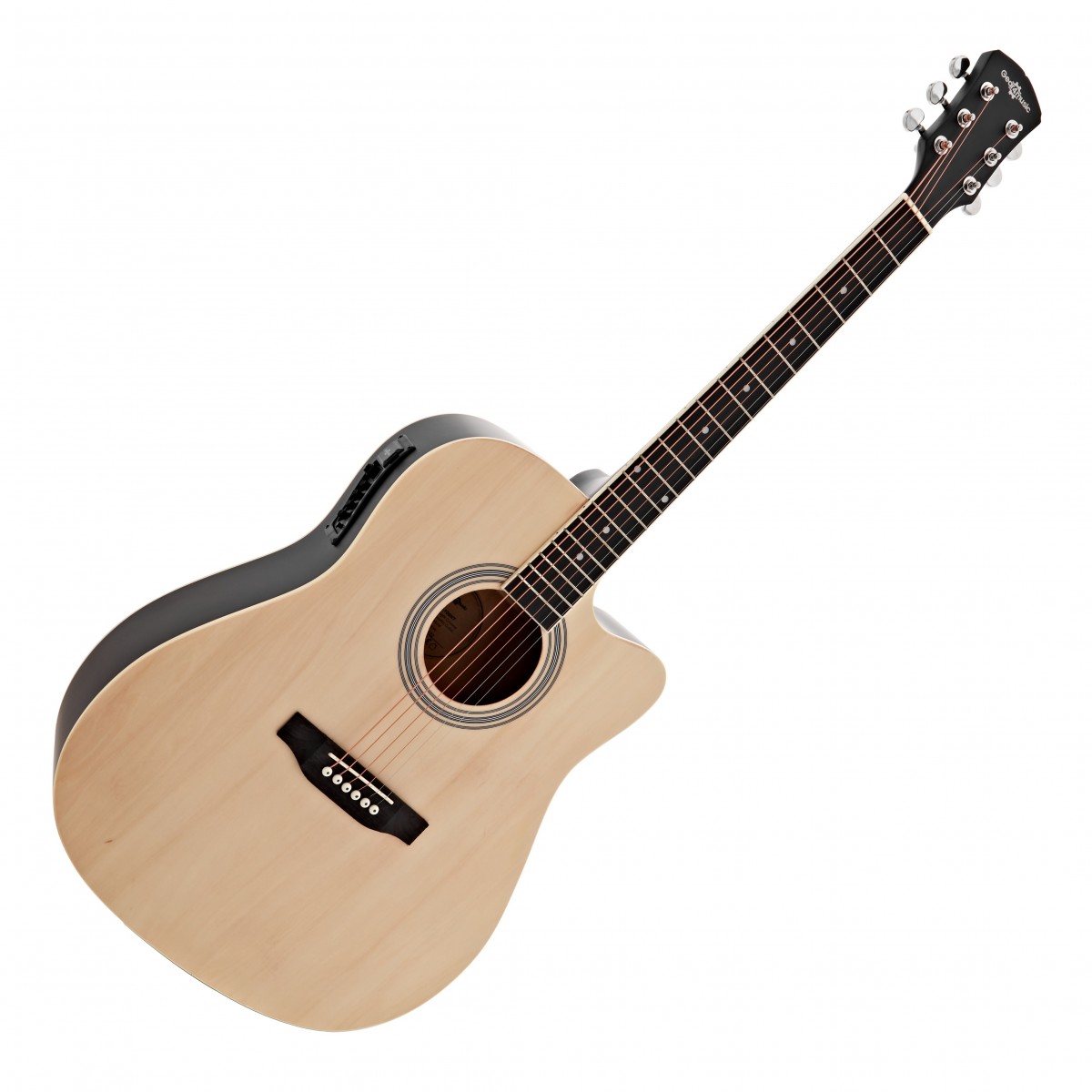
Electro-acoustic guitars combine the natural sound and feel of an acoustic guitar with built-in electronics for amplification. Fitted with pickups and preamp controls, they allow you to plug directly into an amp, PA system, or recording setup while retaining an acoustic character. They’re ideal for live performance, rehearsal, and home recording, offering volume control and tonal adjustment without relying solely on microphones. Electro-acoustic guitars suit players who want the warmth and responsiveness of an acoustic instrument with the flexibility to play amplified when needed.
Explore electric, acoustic and bass guitars across a wide range of playing styles, body shapes and specifications. The most useful differences include scale length, construction, pickup type, neck profile, materials and whether the instrument is intended for amplified, acoustic or hybrid use. Use the narrower guitar categories and feature tags to compare instruments with similar designs rather than relying on appearance alone.
More Gear like this
Acoustic guitars produce their main sound through the vibrating strings and body. This tag includes steel-string, classical and electro-acoustic instruments across several body sizes. Construction, scale length, neck dimensions and an optional pickup system are useful points of comparison.
Parlour guitars are small-bodied acoustic guitars that originated in the late 19th and early 20th centuries, designed for intimate, indoor playing rather than large rooms or stages. Their compact size makes them comfortable to hold and easy to play, with a focused sound that prioritises clarity and balance over volume.
Tonally, parlour guitars are known for a clear midrange, quick response, and a slightly woody or boxy character. They work particularly well for fingerstyle, blues, folk, and early roots music, and are often chosen by players who value detail, dynamics, and a vintage feel, especially for home playing and recording.