About the manufacturer
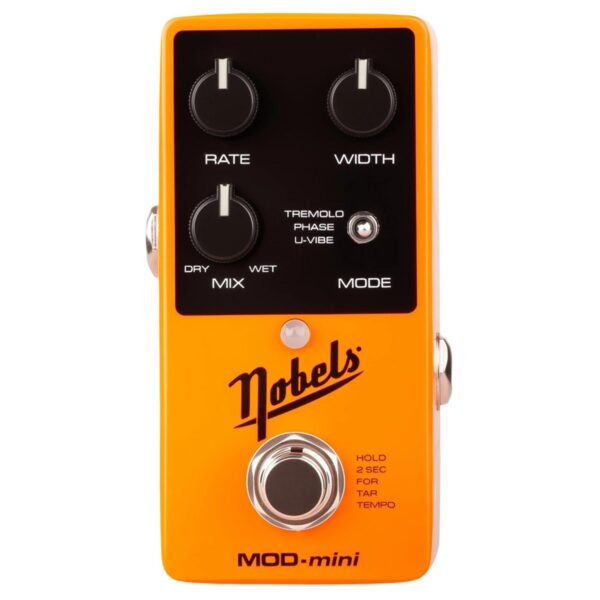
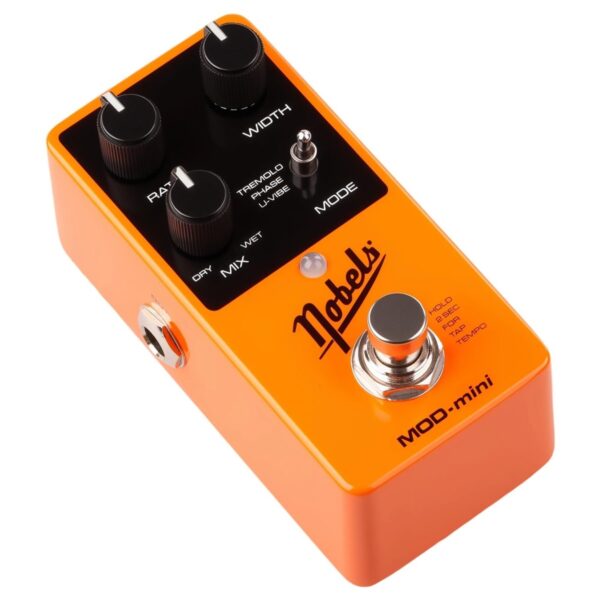
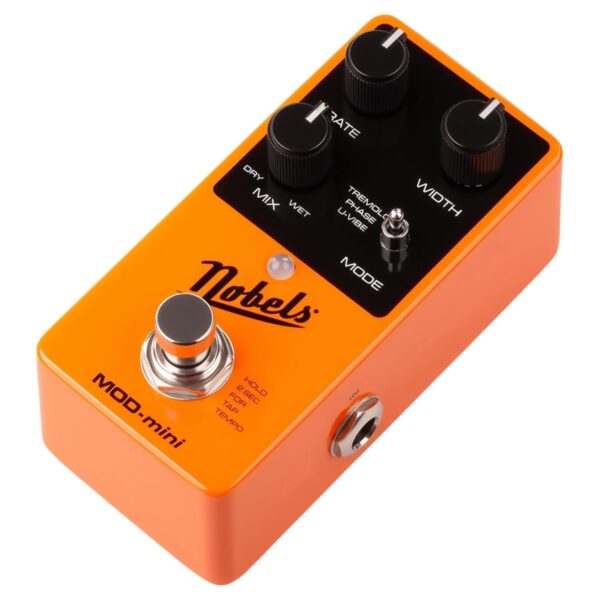
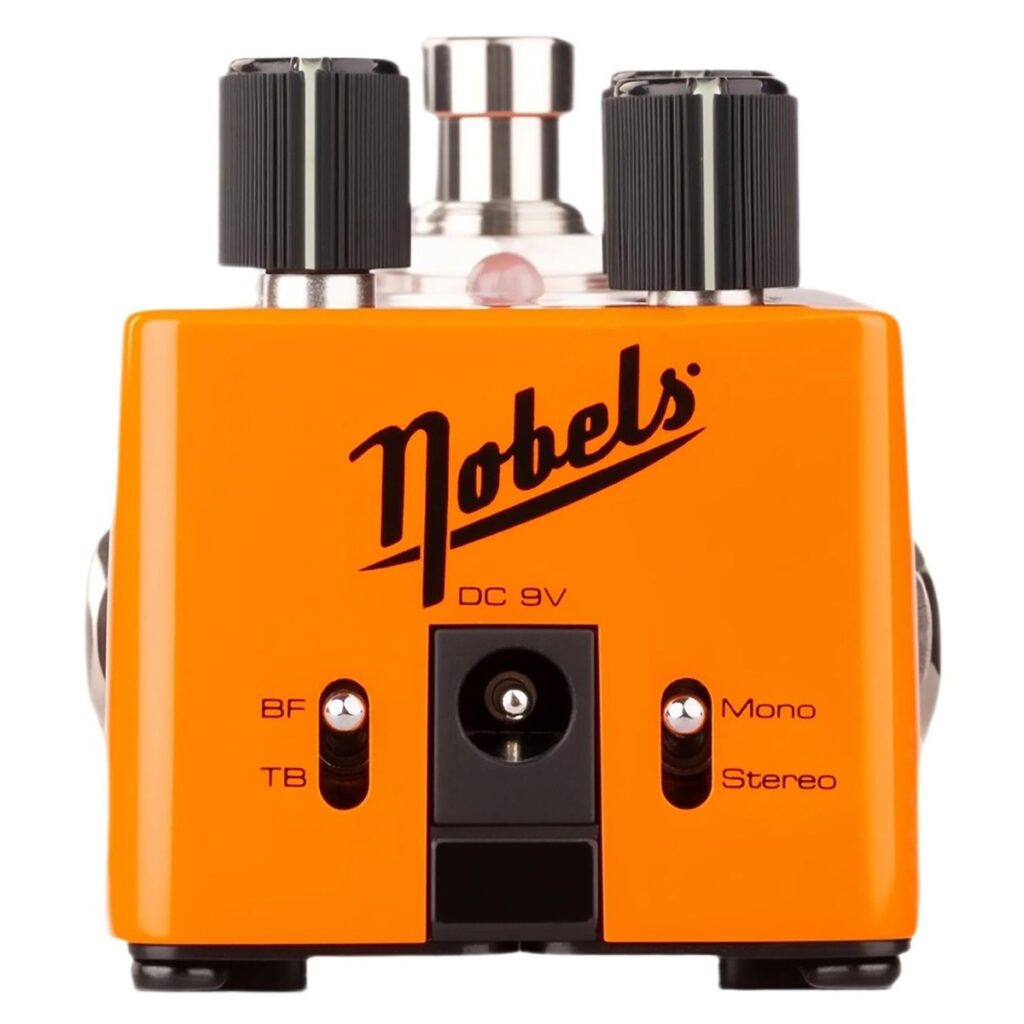
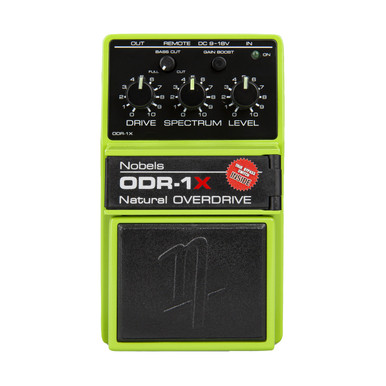
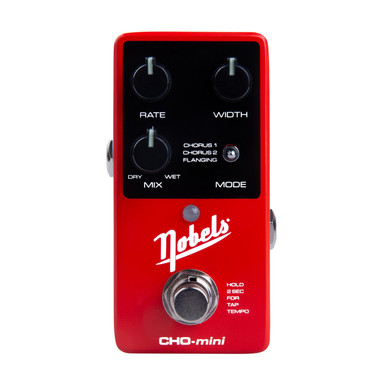
Nobels are known for making standout effects pedals and more. Founded with a passion for tone and innovation, their gear has shaped countless records and players’ sounds. Look out for their iconic designs and flagship models — they’ve earned a reputation for reliability and creativity.
More info about this Product
Guitar pedals are compact effects units that shape and enhance a guitar’s sound, sitting between the instrument and the amplifier. They include gain pedals like overdrive and distortion, modulation effects such as chorus and tremolo, time-based effects like delay and reverb, and essential utilities including tuners, compressors and loopers. Understanding basic things such as pedal type, signal order, power requirements and intended use helps players choose pedals that suit their style, setup and playing environment.
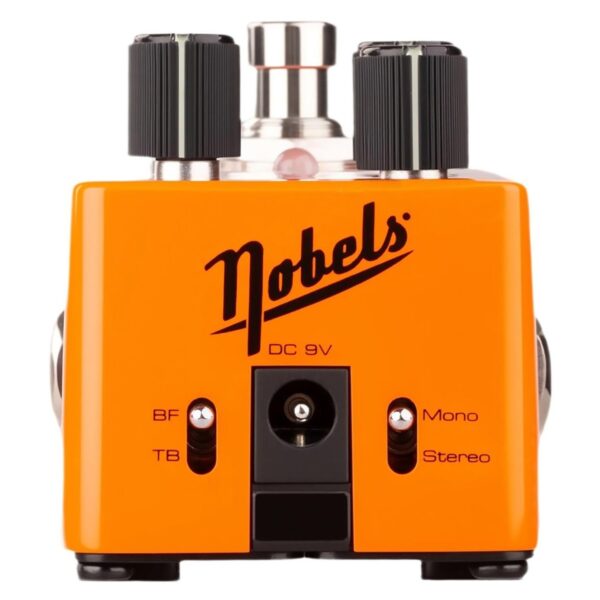
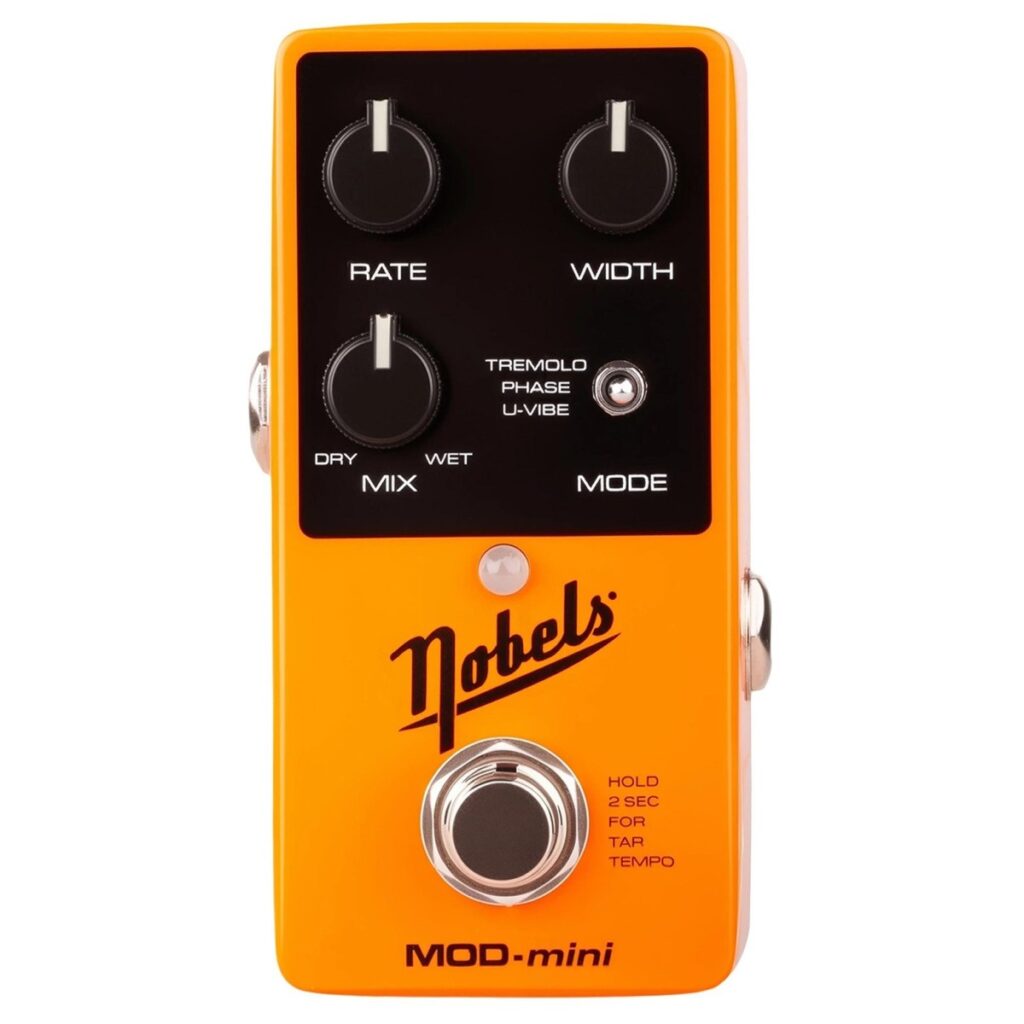
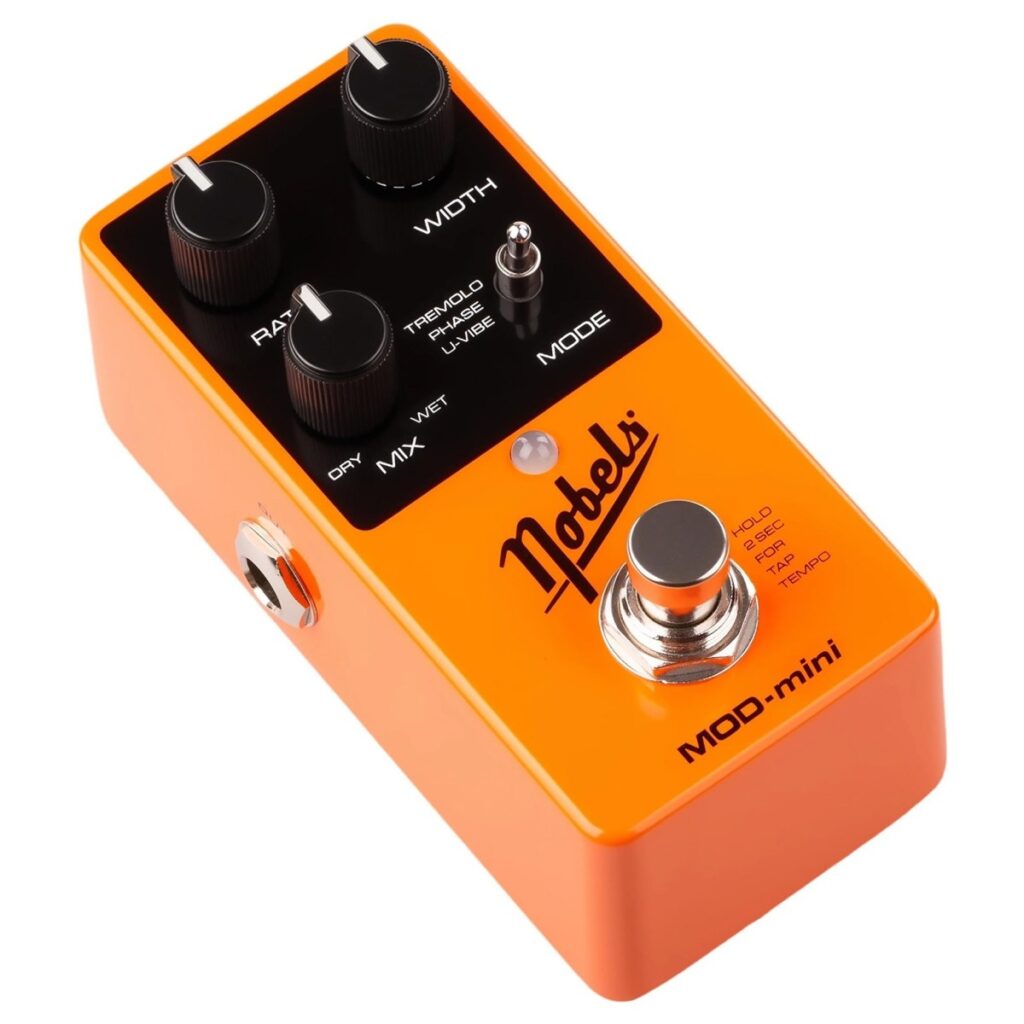
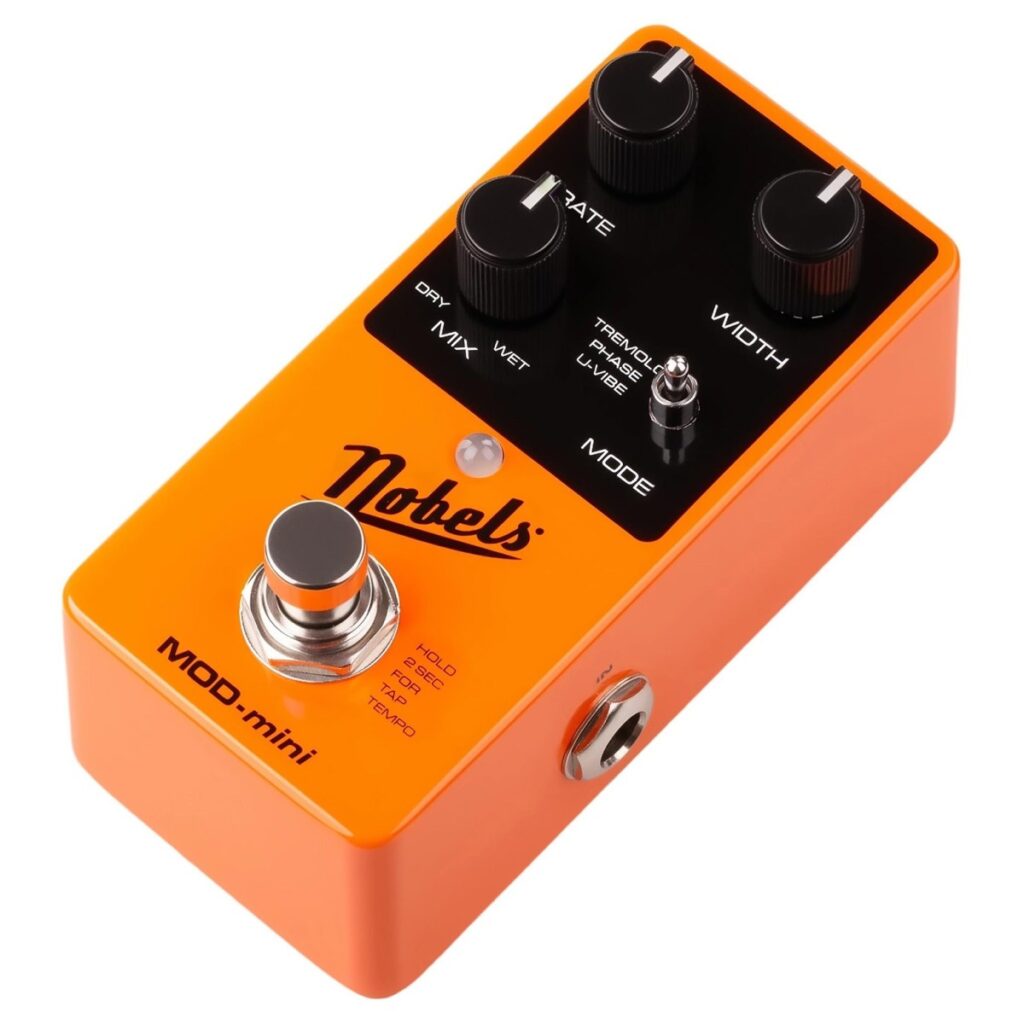
Modulation pedals alter pitch, time or amplitude to add movement and width. The category includes chorus, flanger, phaser, rotary, vibrato and related effects, with controls such as rate, depth, feedback and mix shaping the result. Compare mono or stereo routing, tap or expression control, presets, switching, power and the specific modulation types available in each model.
More Gear like this
Guitar pedals alter, route, control or support an instrument signal from the floor. The tag covers individual effects, multi-effects, switching, tuning, looping, amplification and pedalboard utilities. The product category and additional effect tags identify the specific job each pedal performs.
Mini guitars use a reduced body, scale length or overall format for younger players, travel or compact practice. They are not all the same size, so compare scale length, nut width, tuning, construction and whether the instrument is a true short-scale design or a smaller interpretation of a full-size model.
Stereo refers to an audio setup that uses two separate channels, left and right, to create a sense of width, space, and direction in sound. By sending slightly different signals to each channel, stereo allows effects and instruments to feel more immersive and three-dimensional compared to a single mono signal.
In guitar and audio equipment, stereo is commonly used with delays, reverbs, modulation effects, and multi-amp rigs to enhance depth and movement. Stereo setups can make a sound feel wider and more spacious, especially in recording or live environments where separation between speakers can be clearly heard.