About the manufacturer
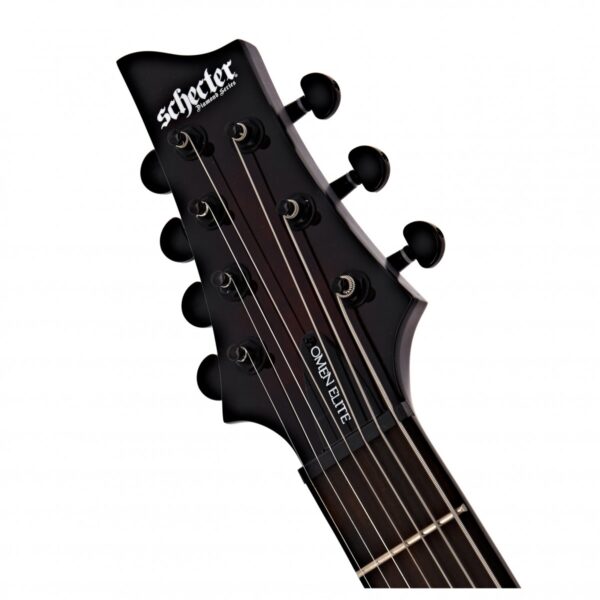
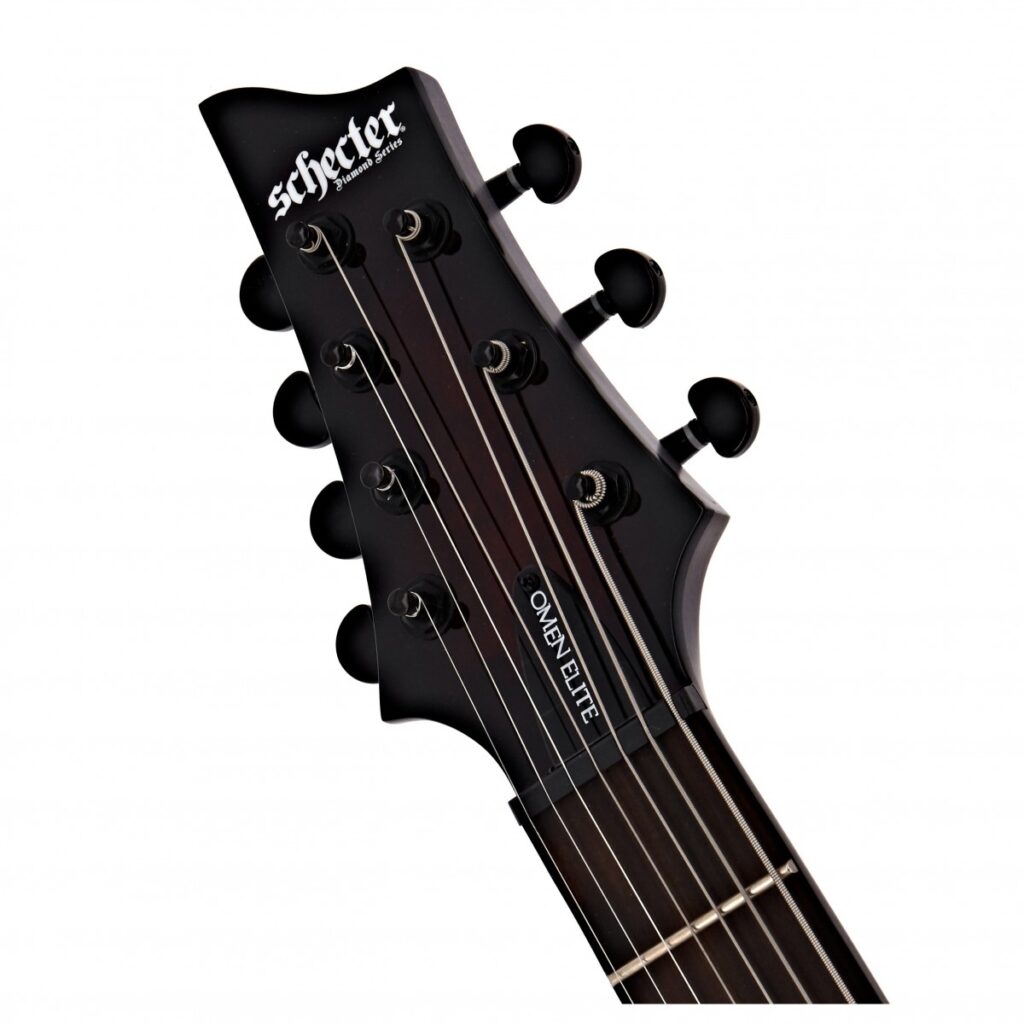
Schecter is a California-based guitar manufacturer established in 1976, known for producing high-quality electric guitars, basses and amplifiers that combine striking design with powerful performance. Their range covers everything from accessible Diamond Series models for beginners to premium custom instruments crafted for professional musicians. Favoured by rock and metal players for their sleek looks, fast necks and versatile tone, Schecter guitars deliver reliability and style at every level, making them a strong choice for players across the UK.
More info about this Product
Electric guitars use magnetic pickups to convert string vibration into an electrical signal, allowing the sound to be shaped through amplifiers and effects. Key things to understand include body shape, pickup type, neck profile, scale length and bridge design, as these all affect tone, feel and sustain. They are used across almost every modern genre, from clean and expressive to high-gain and aggressive styles, making them one of the most versatile instruments available.
Explore electric, acoustic and bass guitars across a wide range of playing styles, body shapes and specifications. The most useful differences include scale length, construction, pickup type, neck profile, materials and whether the instrument is intended for amplified, acoustic or hybrid use. Use the narrower guitar categories and feature tags to compare instruments with similar designs rather than relying on appearance alone.
More Gear like this
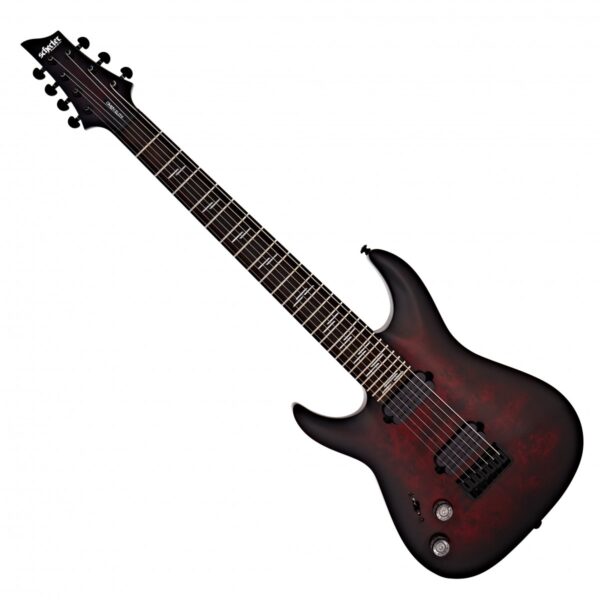
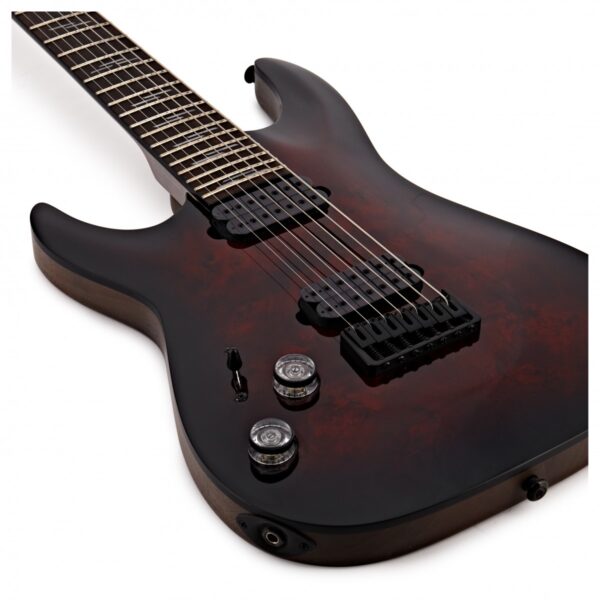
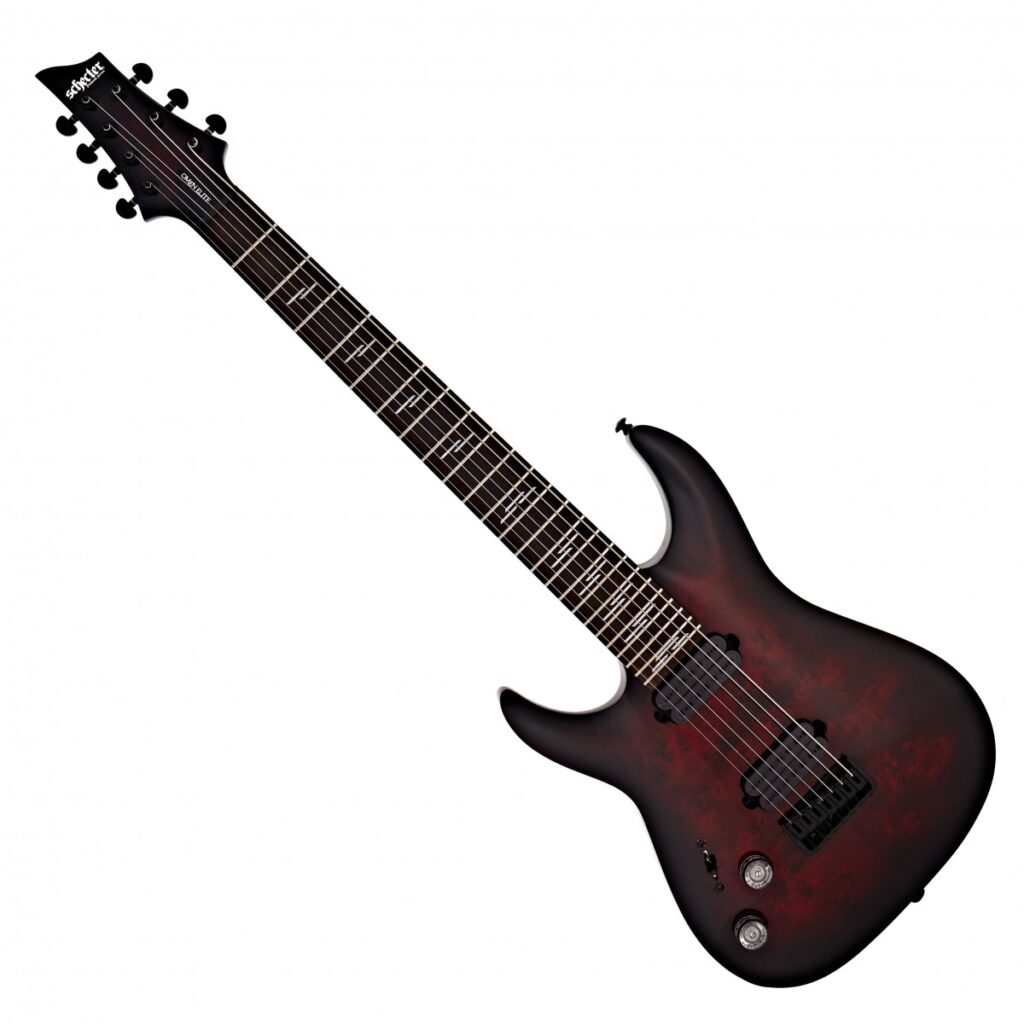
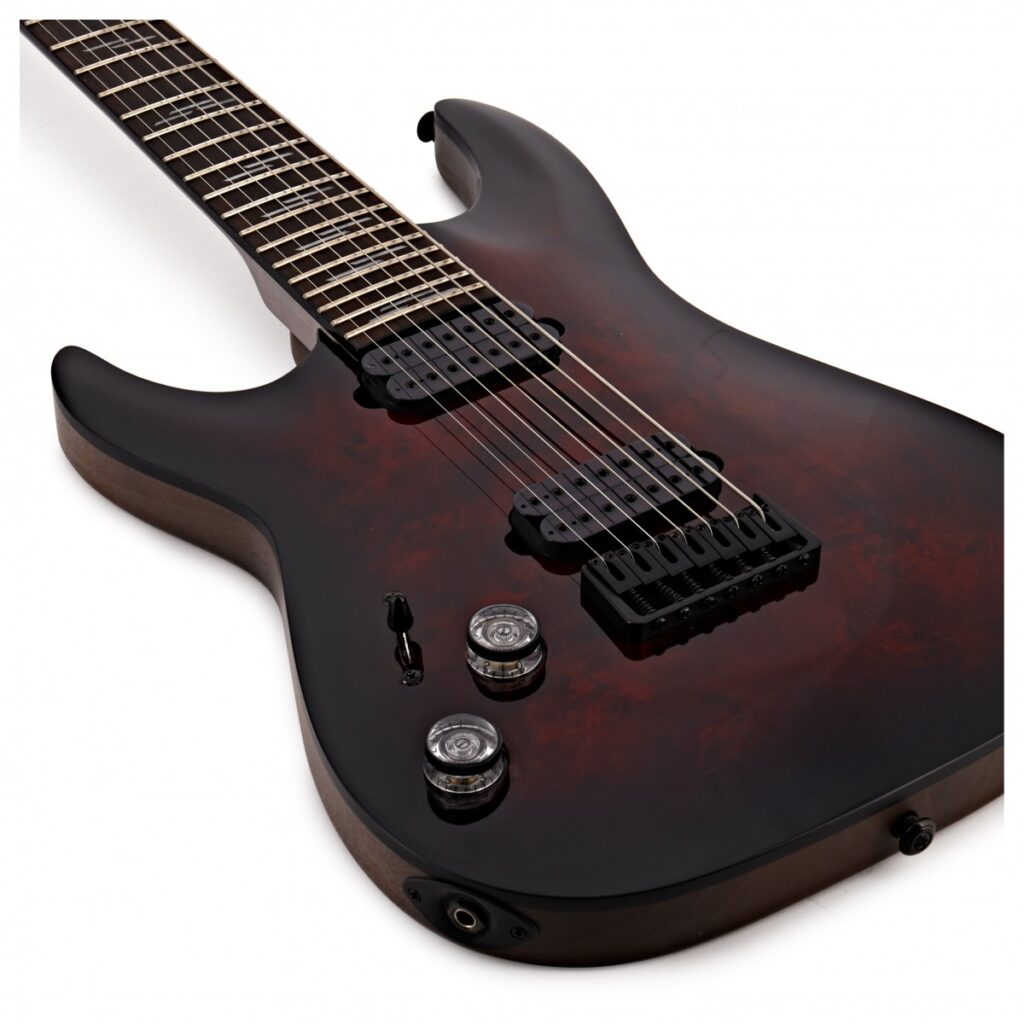
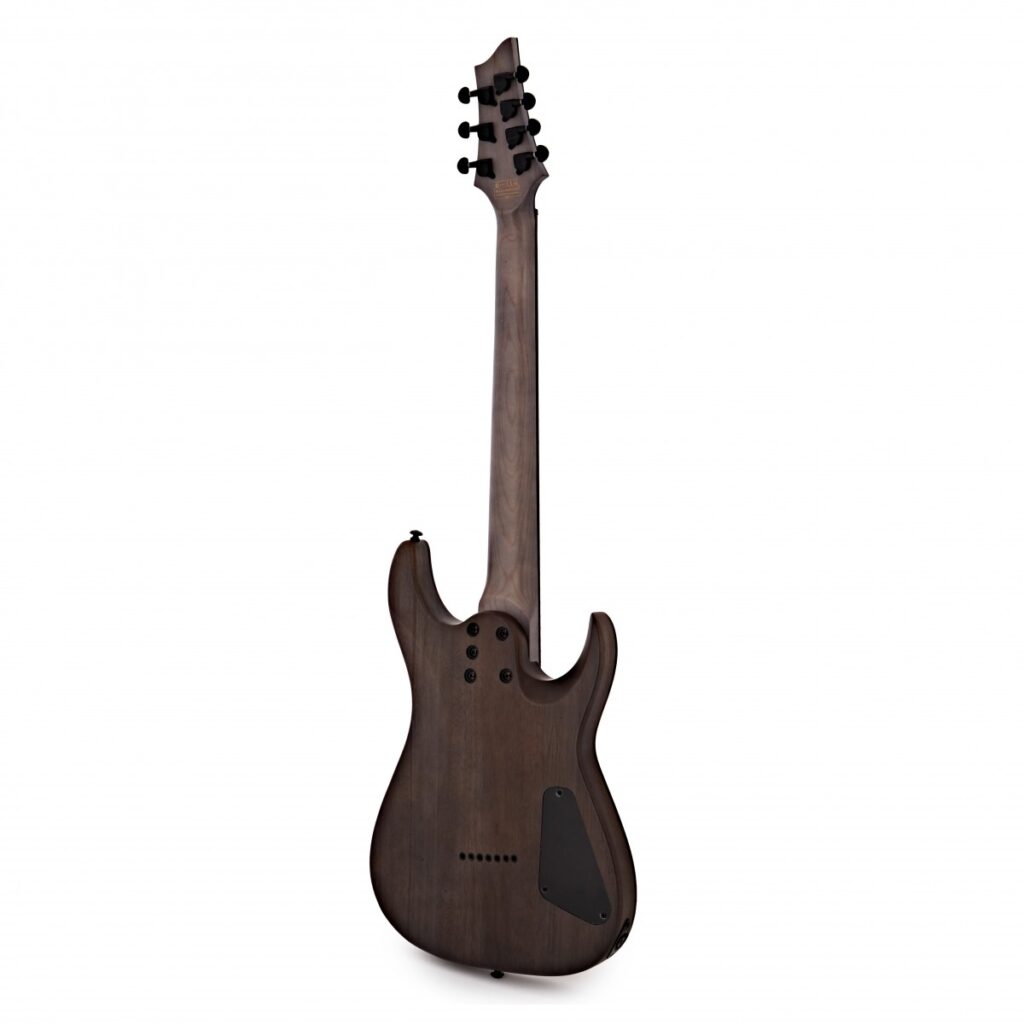
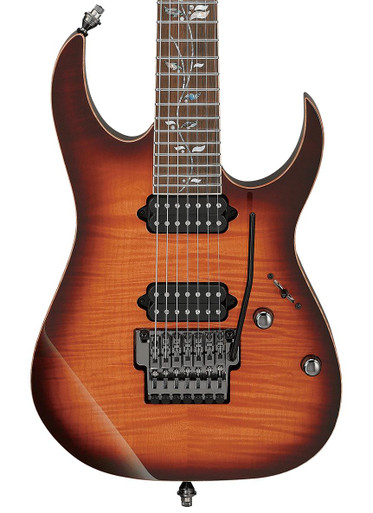
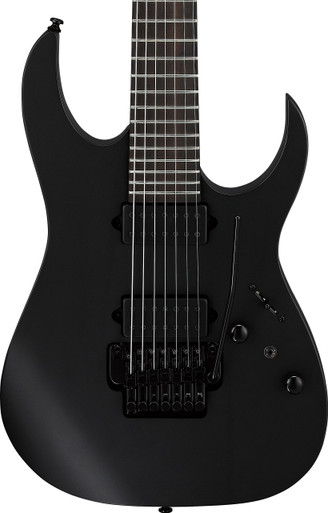
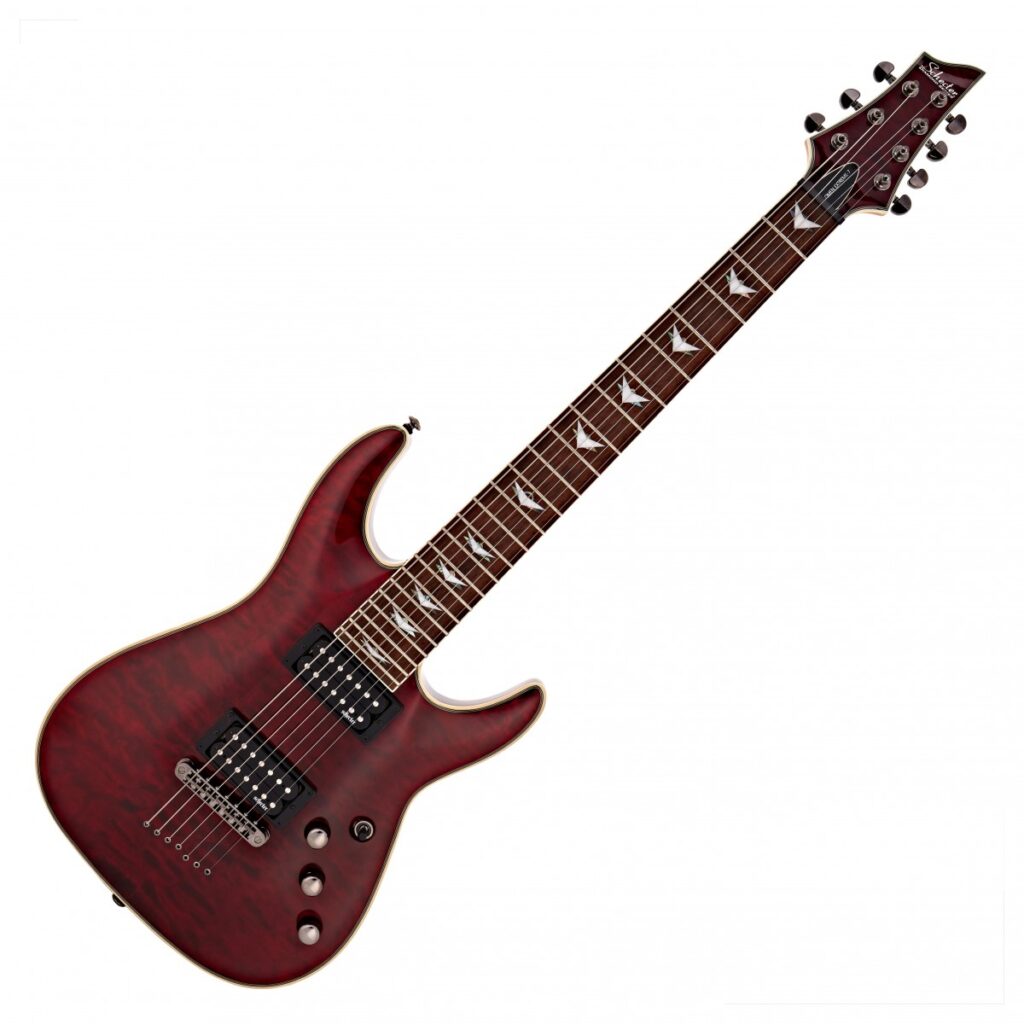
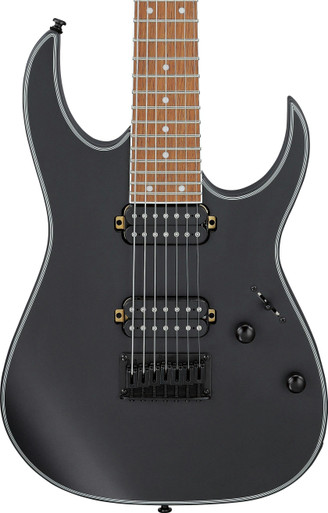
Seven-string guitars add an extra string to extend the available range, commonly below standard six-string tuning. Compare scale length, tuning, pickup voicing, bridge design, neck width and string spacing, as these determine whether the instrument feels suited to extended-range rhythm, lead work or alternative tunings.
Electric guitars use pickups to convert string vibration into an amplified signal. Tagged products may differ in body construction, scale length, bridge type, pickup layout and switching, all of which affect feel and tonal range. Use the more specific body-shape, pickup and construction tags to narrow the comparison.
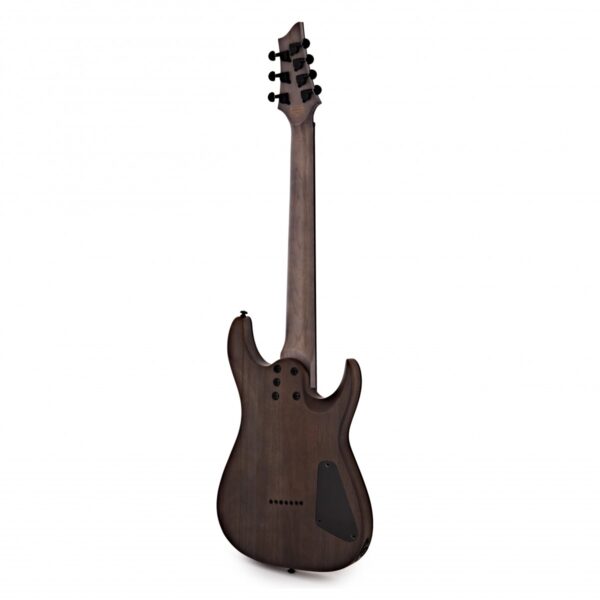
Left-handed guitars are built specifically for left-handed players, with the body shape, controls, and string orientation reversed to provide a natural and comfortable playing experience. Available across electric, acoustic, classical, and bass styles, they offer the same variety of tones, features, and build quality as right-handed models. Using a properly designed left-handed guitar helps with balance, technique, and confidence, allowing players to focus on developing their sound without having to adapt to an instrument that doesn’t suit the way they play.