About the manufacturer
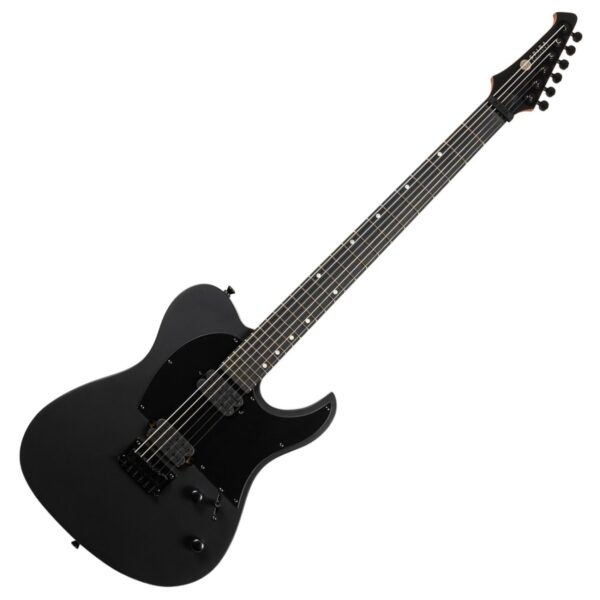
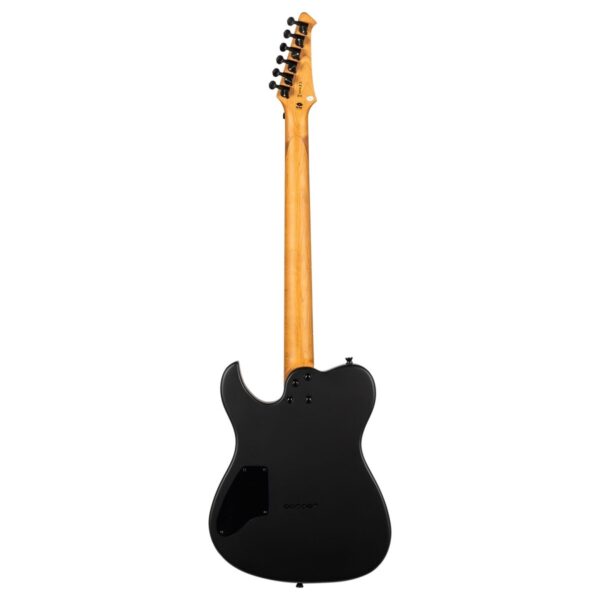
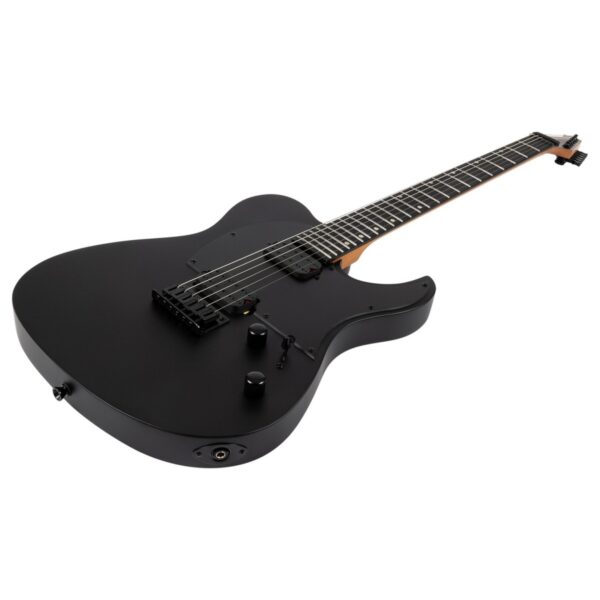
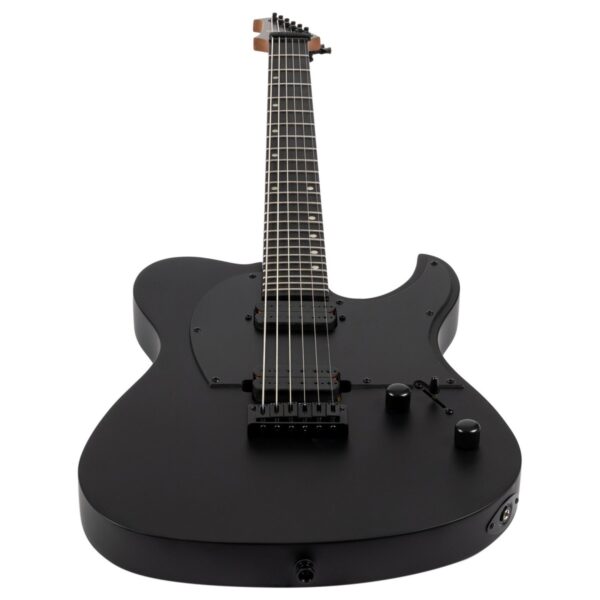
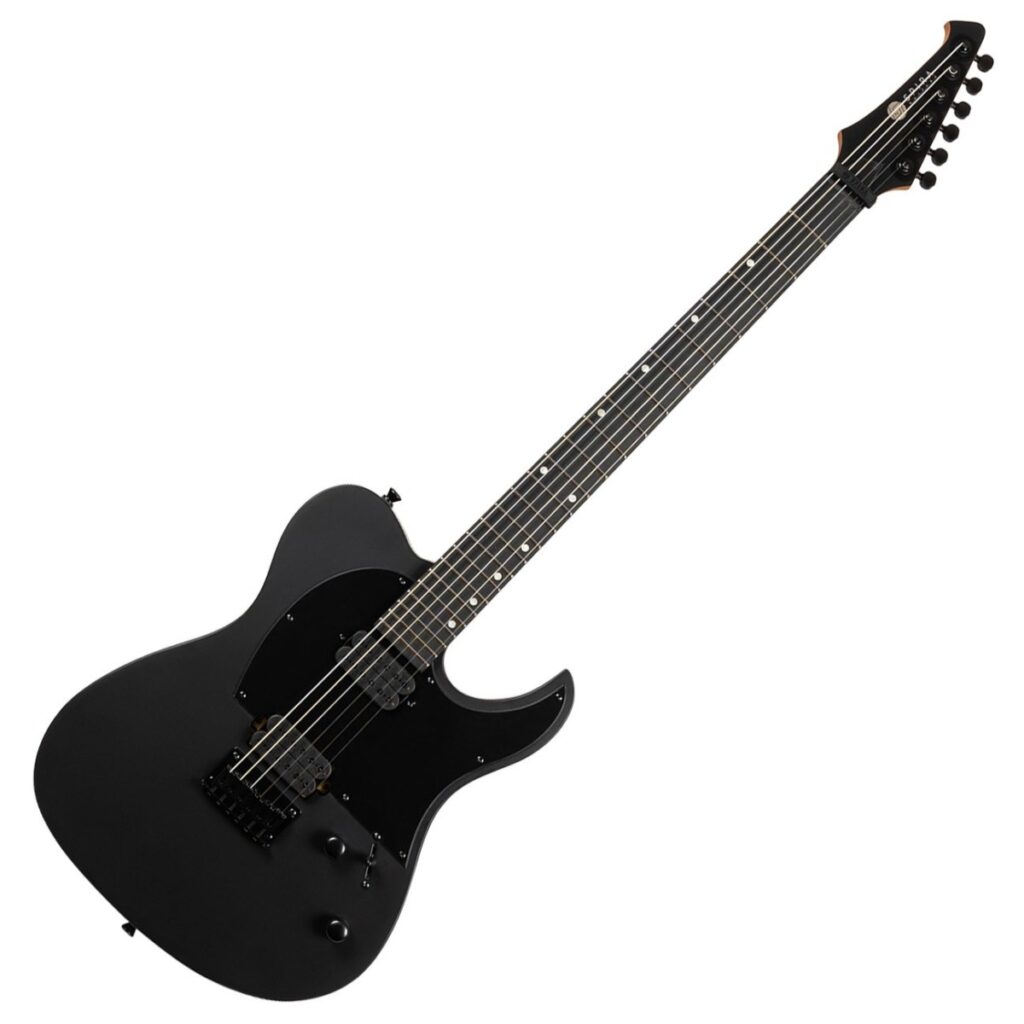
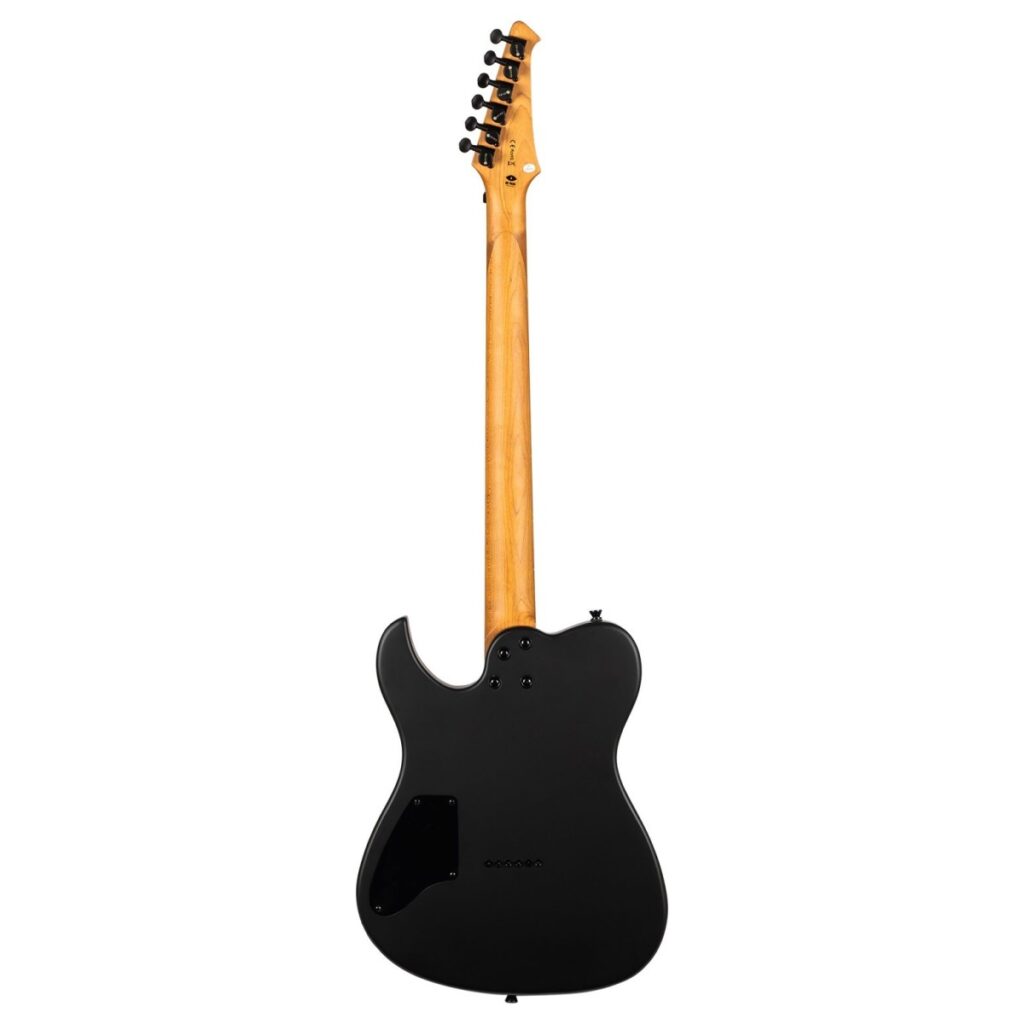
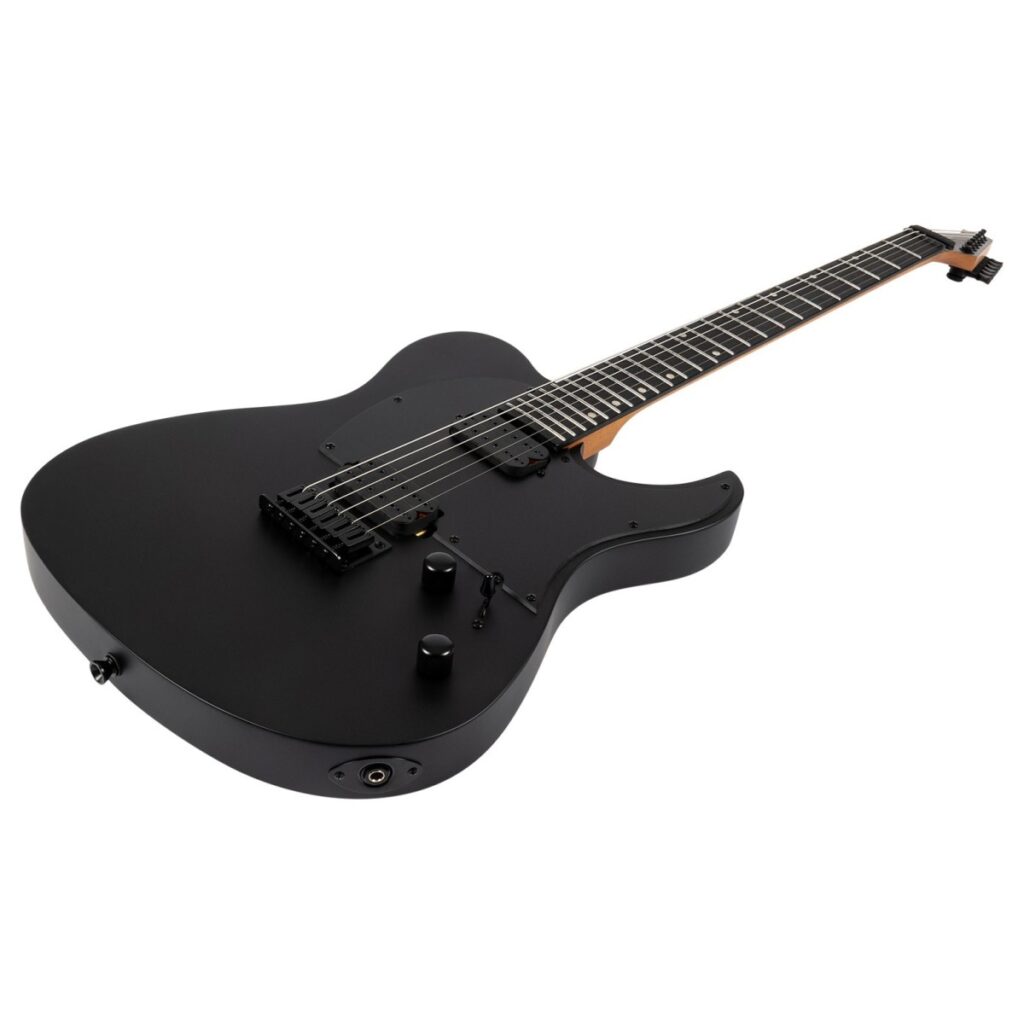
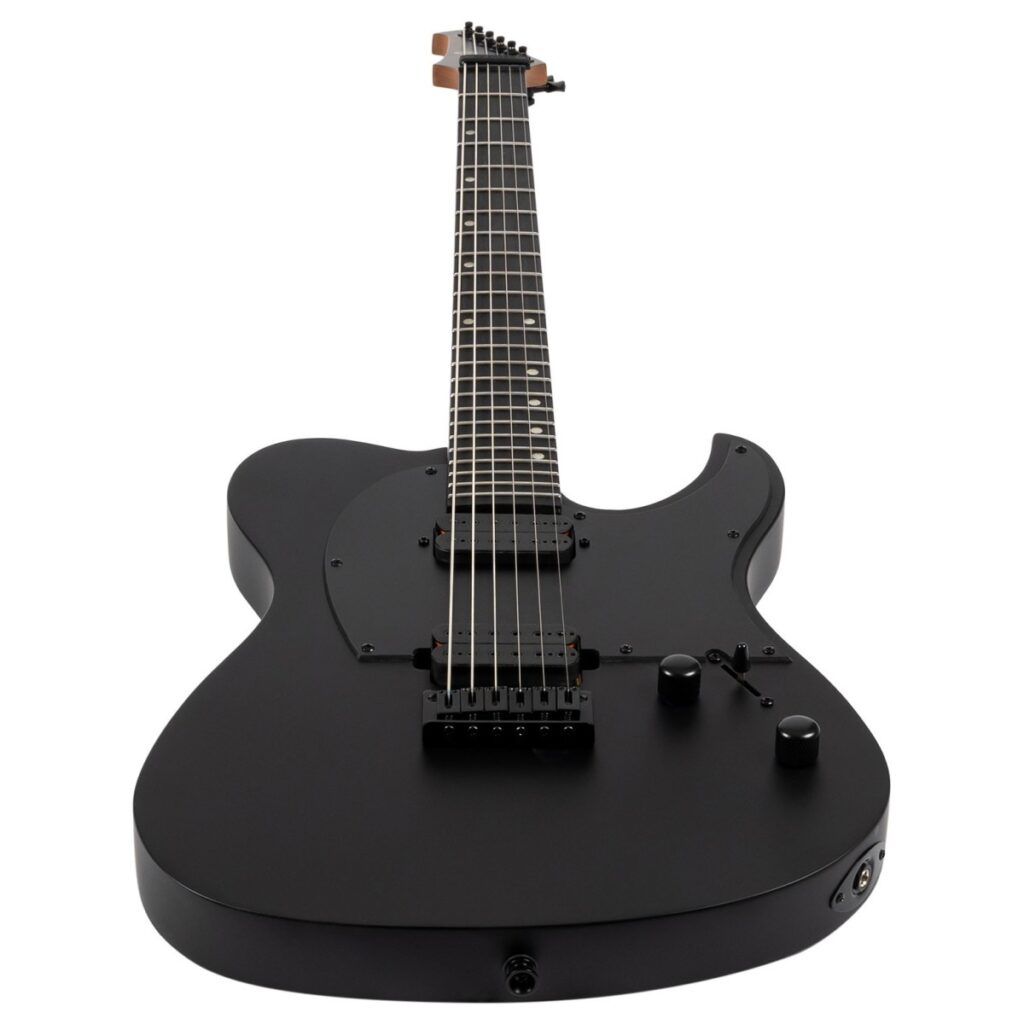
Spira Guitars is a guitar maker. The current GPAS selection includes B-400 MBK Bass Satin, S-400 MBK Satin and S-400 MBL Satin. The listed models sit in bass guitars, electric guitars and baritone guitar, so body style, scale, electronics and playing format are central to the comparison.
For these instruments, compare body format, scale length, construction, pickups or electronics, neck profile, bridge, finish and included case or accessories. The product page is the authority for the exact specification and condition.
More info about this Product
A baritone guitar sits between a standard electric guitar and a bass, using a longer scale length and heavier strings to reach lower tunings with clarity and tension. It’s ideal for players who want deeper, heavier tones without losing the feel and expression of a guitar, making it popular in ambient, alternative, metal, and cinematic styles. Baritone guitars excel at tight, defined low notes, rich chord voicings, and expanded harmonic range, especially when standard guitars start to sound loose or muddy when tuned down. They’re also a great creative tool, encouraging different chord shapes, riff ideas, and songwriting approaches that sit in a unique space within a mix.
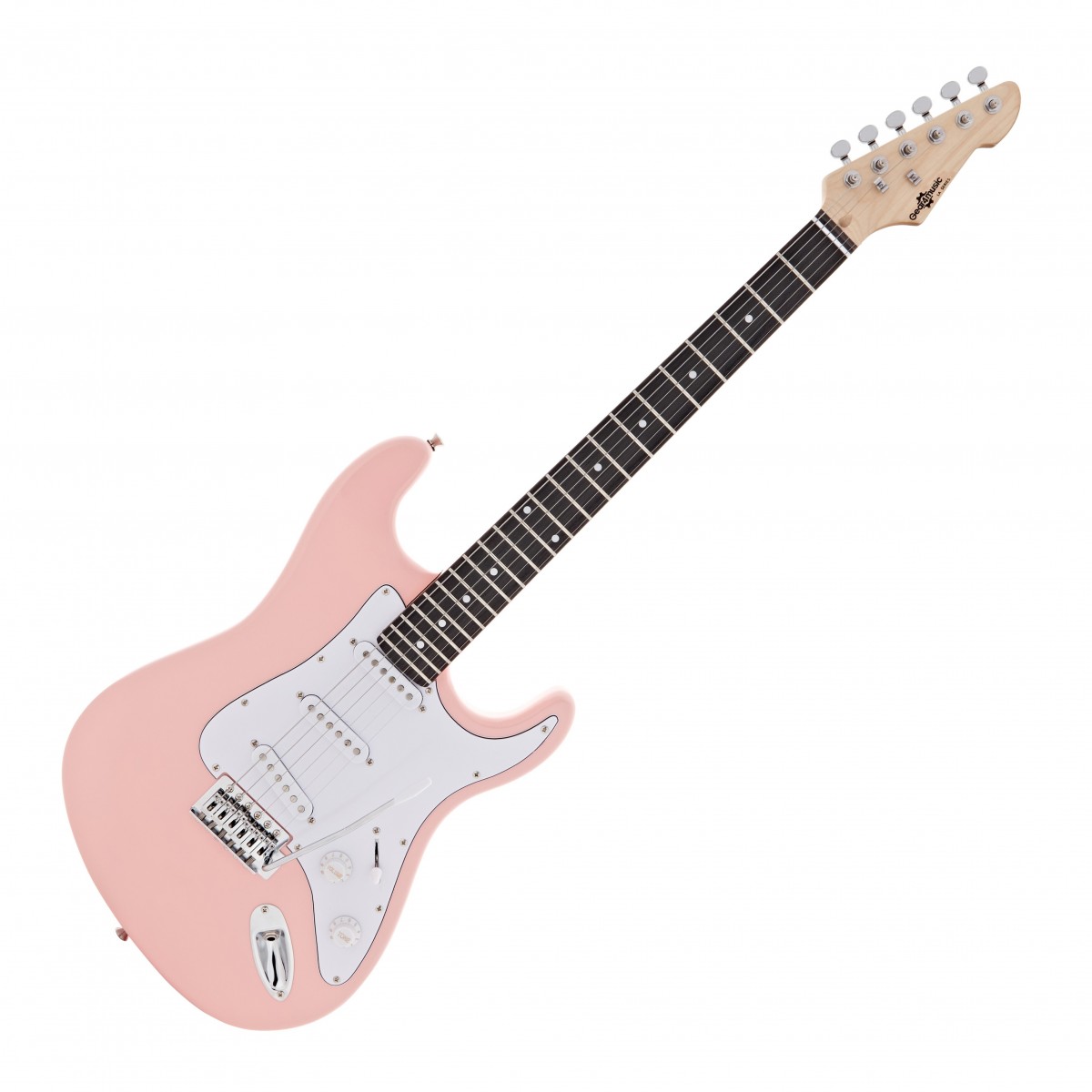
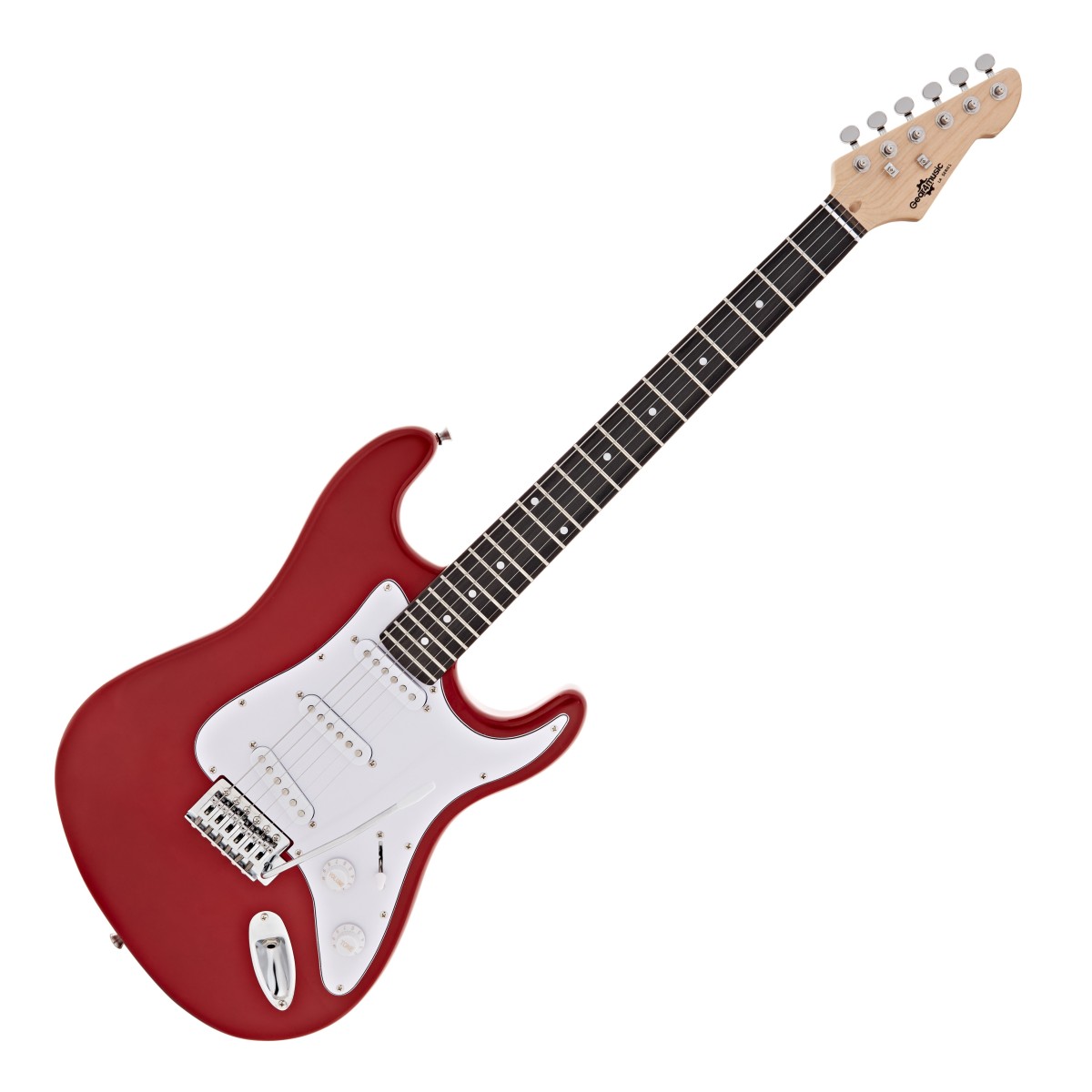
Electric guitars use magnetic pickups to convert string vibration into an electrical signal, allowing the sound to be shaped through amplifiers and effects. Key things to understand include body shape, pickup type, neck profile, scale length and bridge design, as these all affect tone, feel and sustain. They are used across almost every modern genre, from clean and expressive to high-gain and aggressive styles, making them one of the most versatile instruments available.
Explore electric, acoustic and bass guitars across a wide range of playing styles, body shapes and specifications. The most useful differences include scale length, construction, pickup type, neck profile, materials and whether the instrument is intended for amplified, acoustic or hybrid use. Use the narrower guitar categories and feature tags to compare instruments with similar designs rather than relying on appearance alone.
More Gear like this
Baritone guitars are designed with a longer scale length than standard guitars, allowing them to be tuned lower while maintaining string tension and clarity. They typically sit between a standard guitar and a bass in pitch, producing a deeper, heavier sound without losing definition.
They are widely used in alternative, metal, ambient, and cinematic styles, as well as for modern rhythm work and textural playing. Baritone guitars offer tight low-end response and extended range, making them ideal for players who want lower tunings with improved note clarity and control.
Electric guitars use pickups to convert string vibration into an amplified signal. Tagged products may differ in body construction, scale length, bridge type, pickup layout and switching, all of which affect feel and tonal range. Use the more specific body-shape, pickup and construction tags to narrow the comparison.