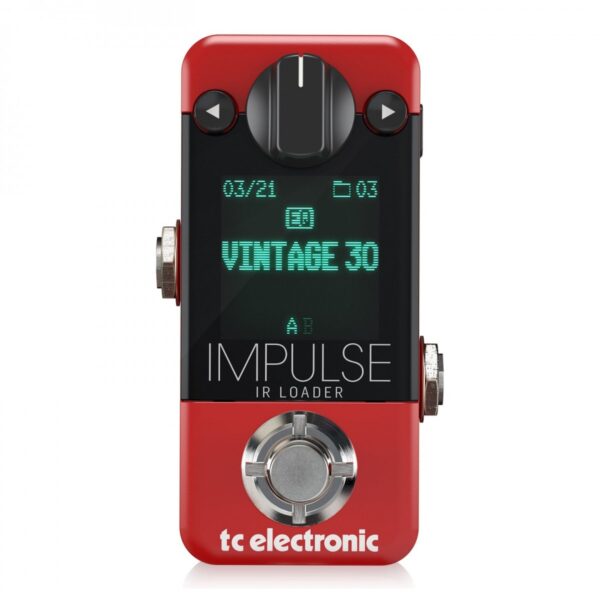
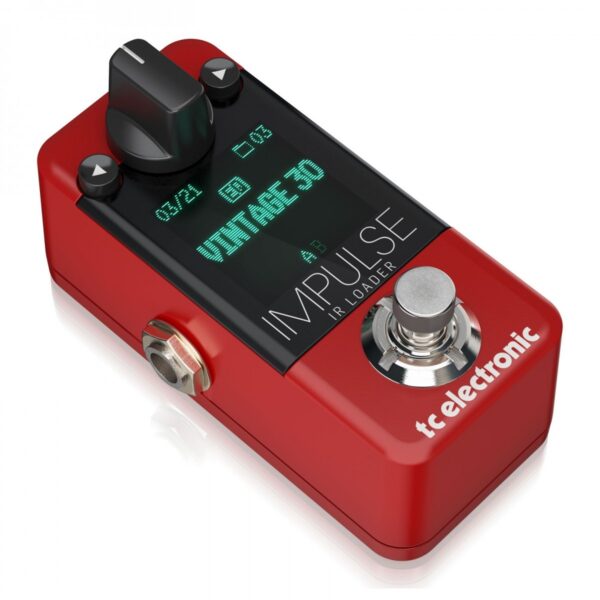
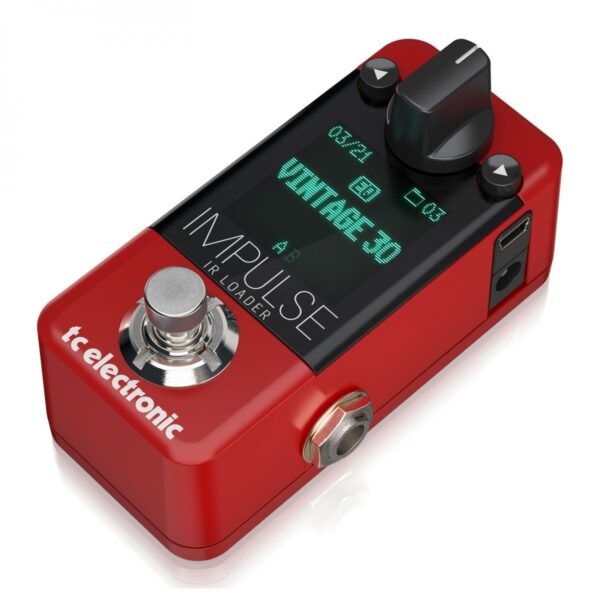
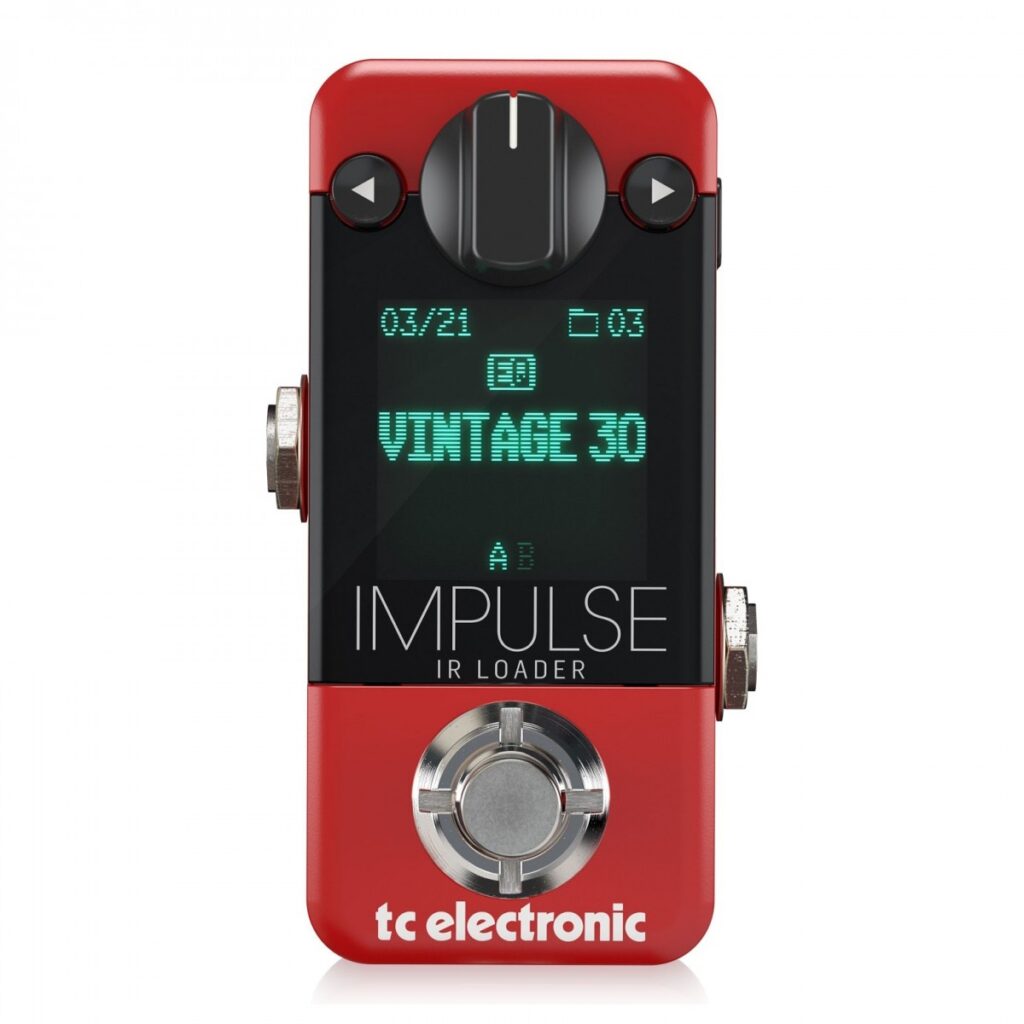
About the manufacturer
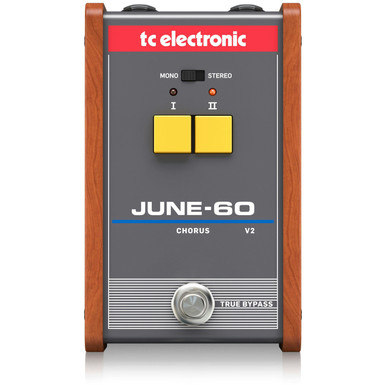
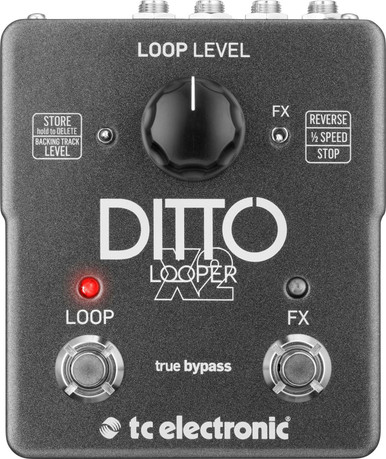
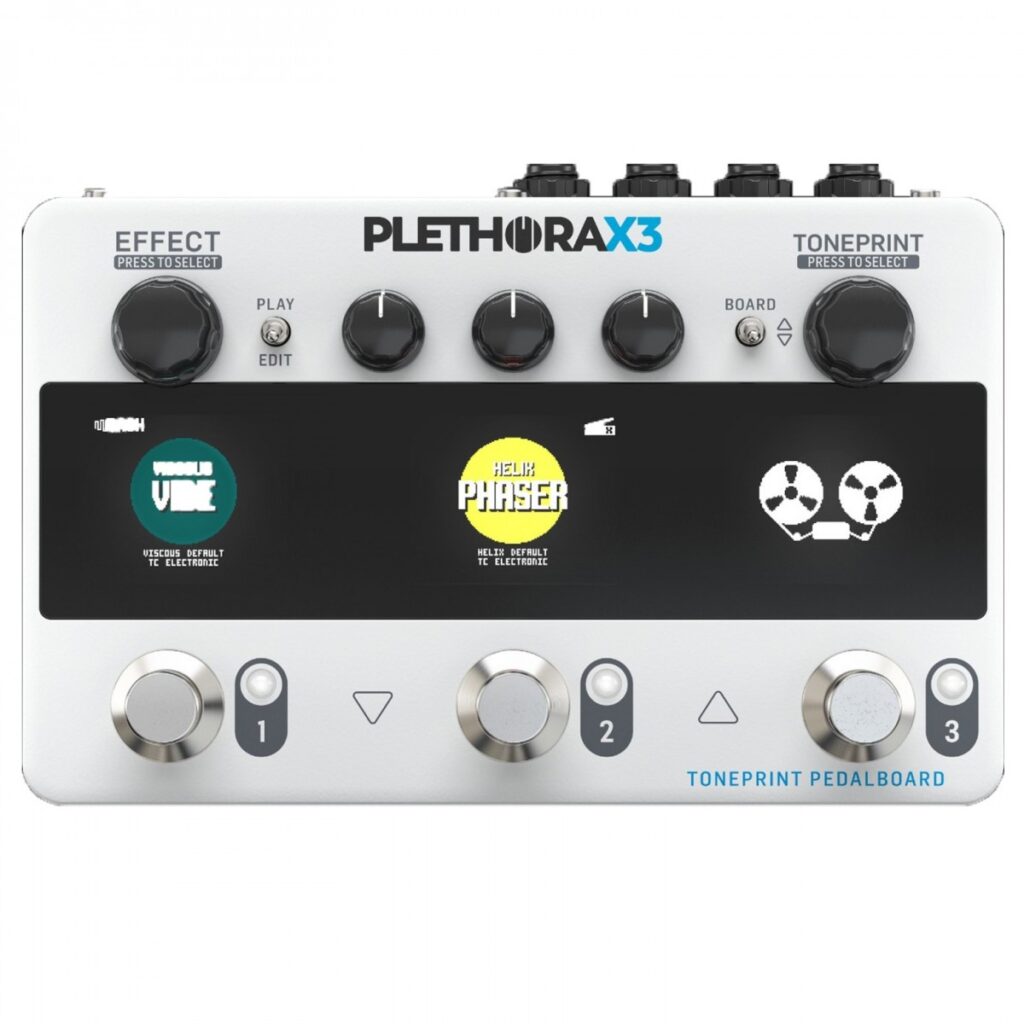
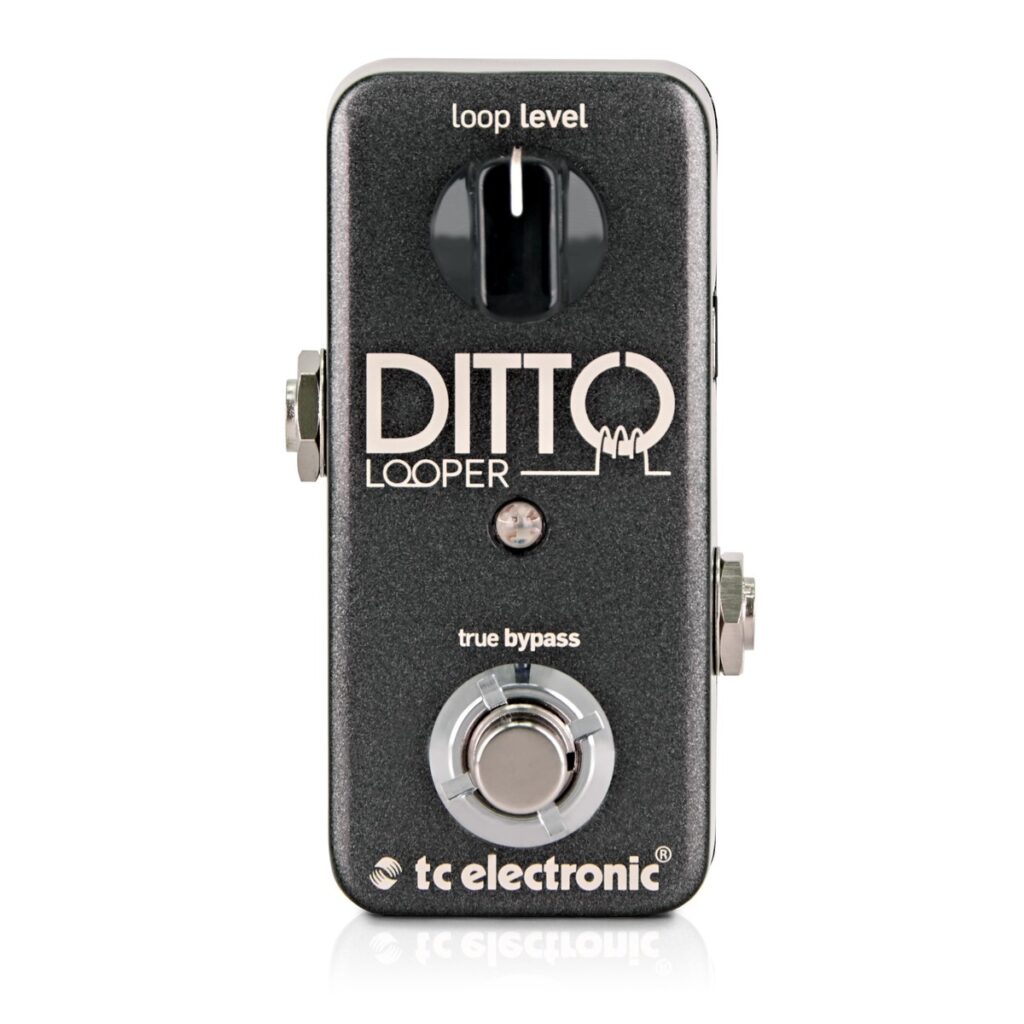
TC Electronic is a Danish company celebrated for its high-quality effects pedals, processors, and studio equipment that combine innovation with pristine sound. Founded in 1976, the brand quickly became a favourite among musicians and audio engineers for its clear digital effects and intuitive designs. From the legendary Hall of Fame reverb and Ditto looper to the TonePrint-enabled pedals that let players customise sounds, TC Electronic products are known for versatility and reliability. Whether shaping tone on stage or refining mixes in the studio, TC Electronic continues to set the standard for creativity, precision, and modern audio technology.
More info about this Product
Amp and cab simulator pedals recreate the response of amplifier and speaker combinations in a pedalboard-friendly format. They can feed an amplifier, headphones, mixer, interface or PA, but the available outputs and speaker simulation differ between models. Compare amp voices, cabinet or IR support, gain and EQ, balanced outputs, headphone facilities, presets, MIDI and power requirements.
Guitar pedals are compact effects units that shape and enhance a guitar’s sound, sitting between the instrument and the amplifier. They include gain pedals like overdrive and distortion, modulation effects such as chorus and tremolo, time-based effects like delay and reverb, and essential utilities including tuners, compressors and loopers. Understanding basic things such as pedal type, signal order, power requirements and intended use helps players choose pedals that suit their style, setup and playing environment.
More Gear like this
Guitar pedals alter, route, control or support an instrument signal from the floor. The tag covers individual effects, multi-effects, switching, tuning, looping, amplification and pedalboard utilities. The product category and additional effect tags identify the specific job each pedal performs.
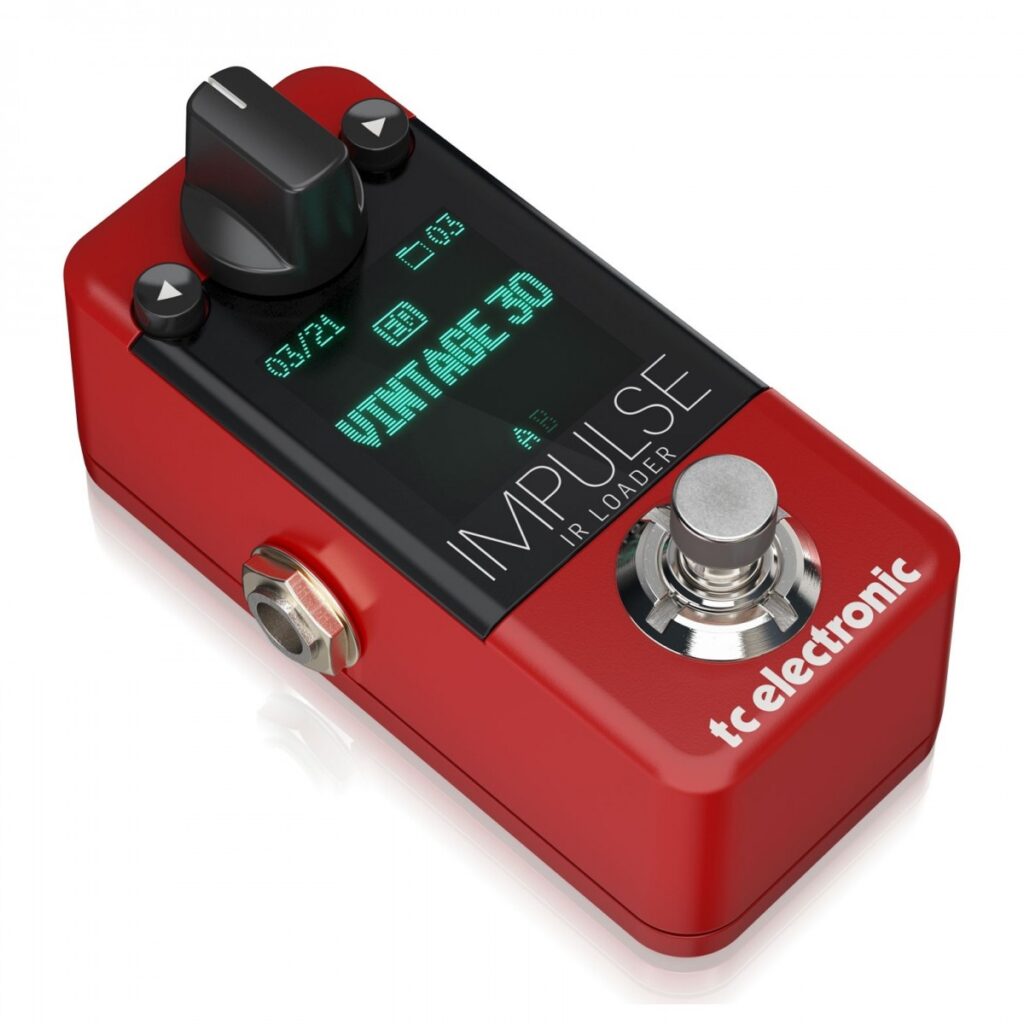
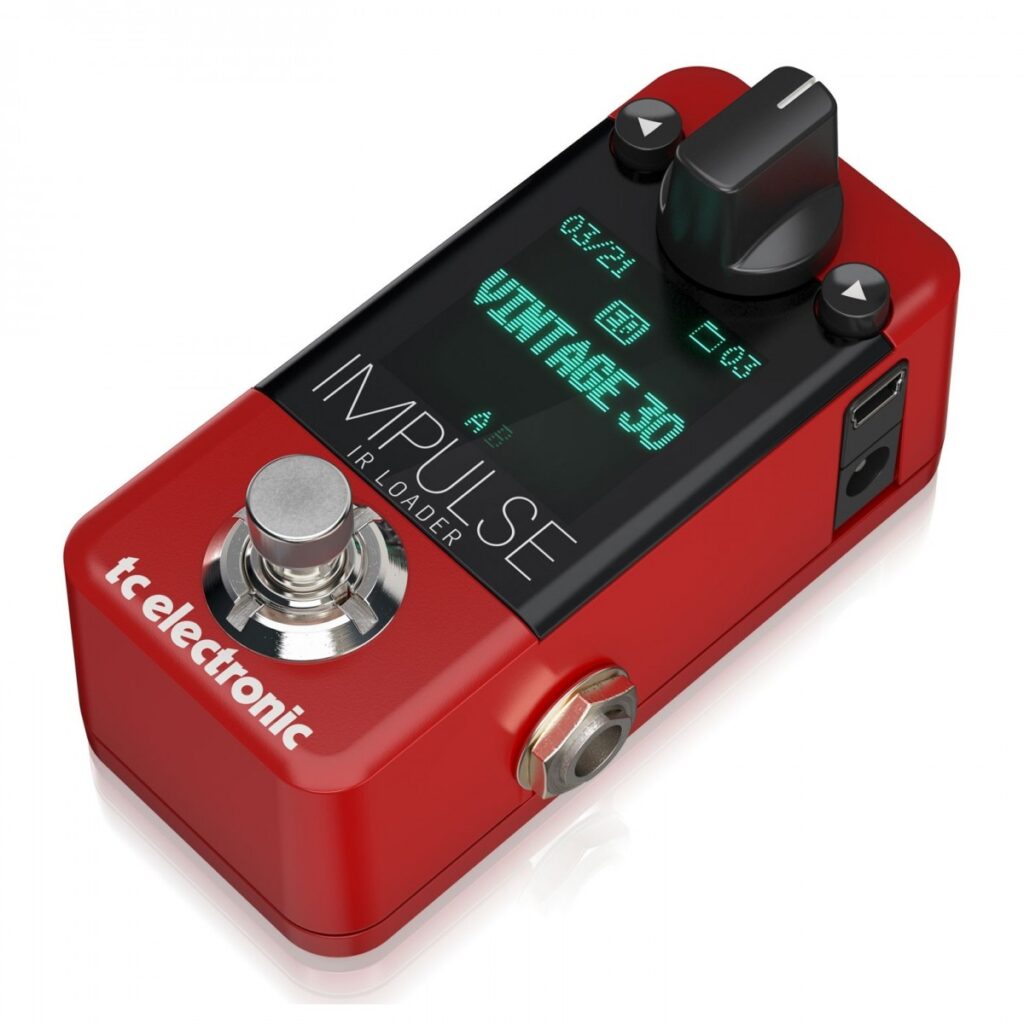
Convolves the signal with an impulse response, a captured measurement of a cabinet, speaker, microphone, room or other linear system. File length, sample rate, latency, storage and routing determine the detail of the captured response and how flexibly it can be combined.