About the manufacturer
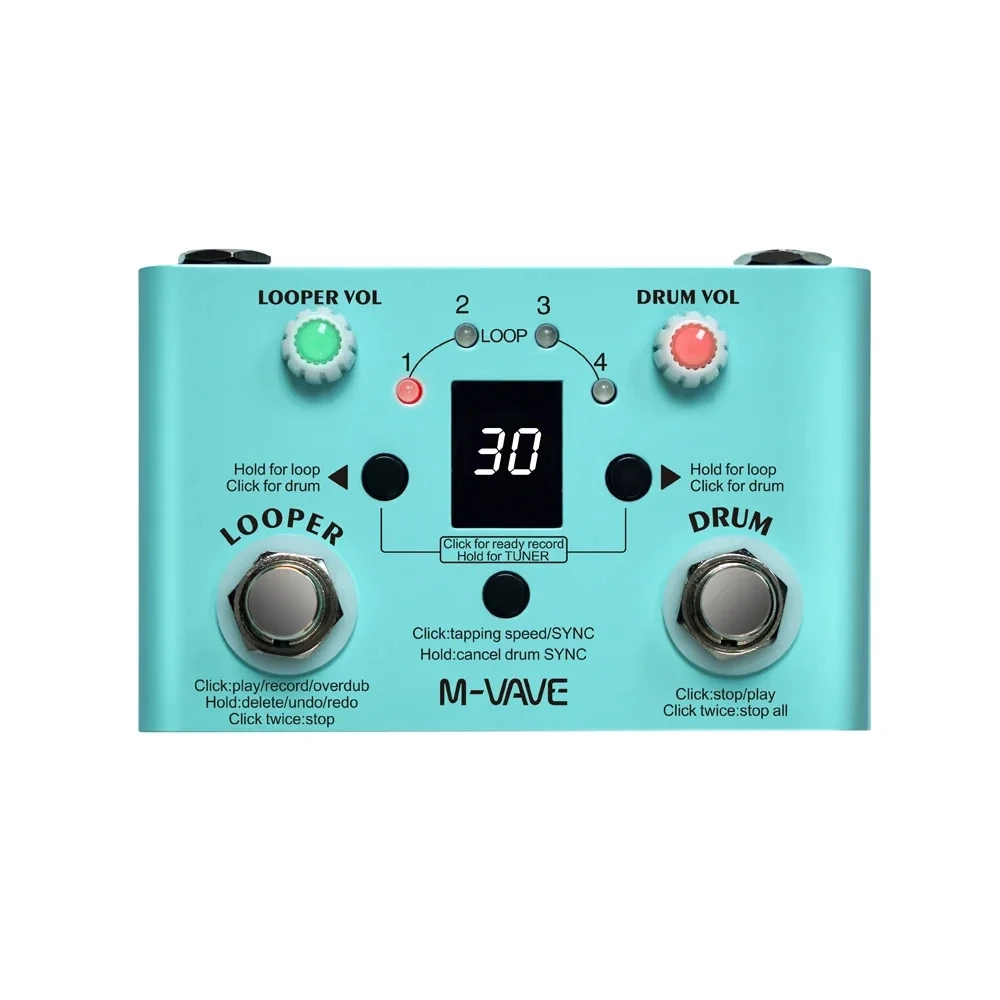
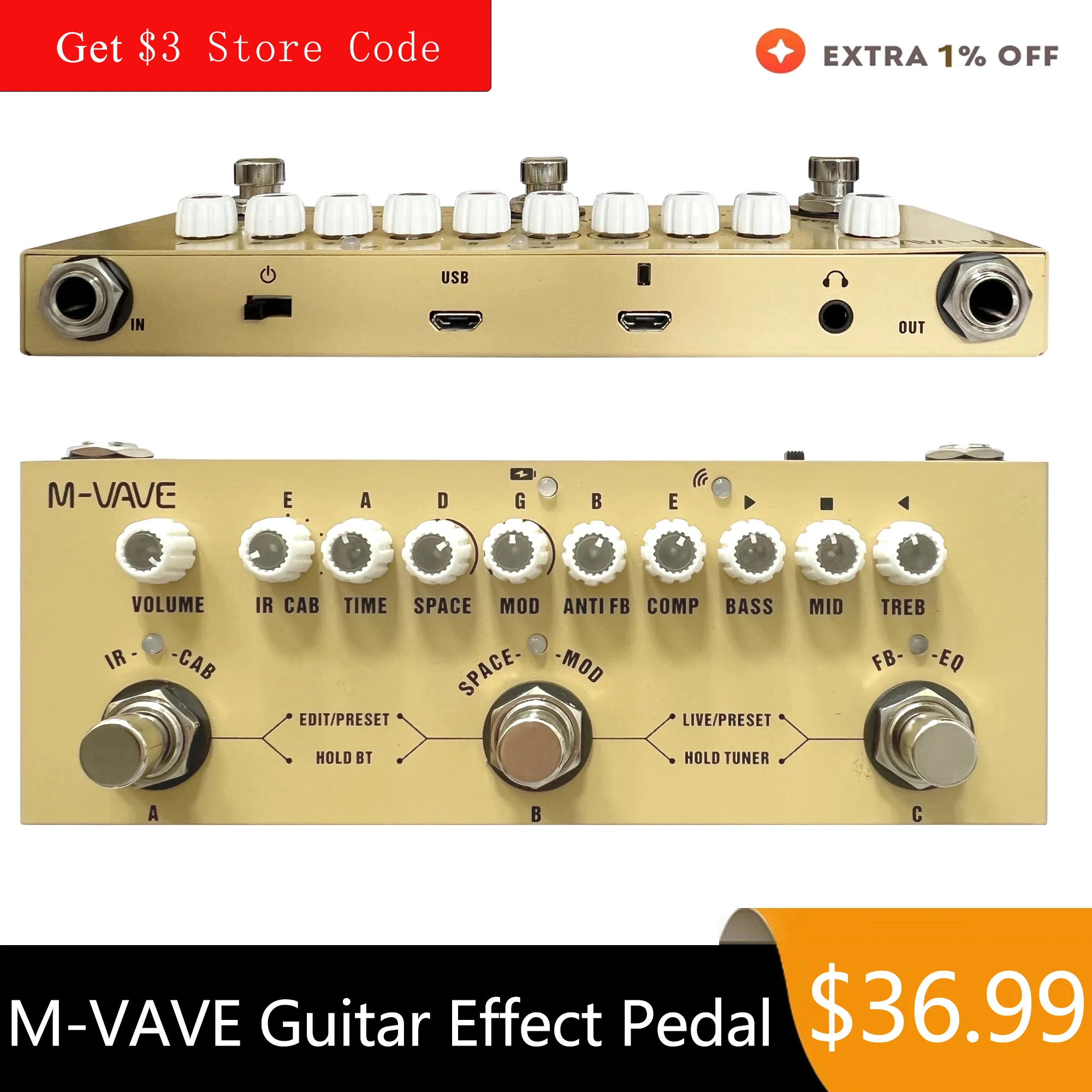
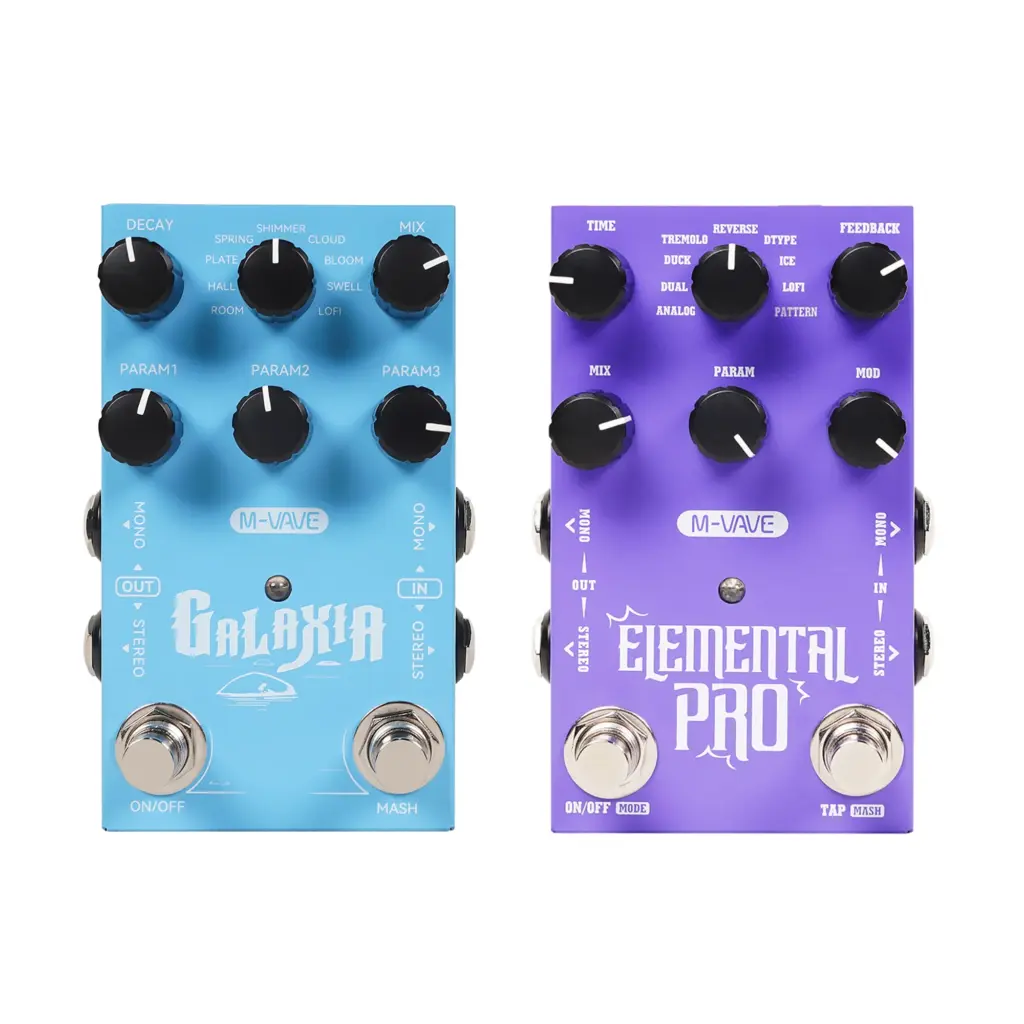
M-Vave appears on GPAS in compact multi-effects and practice equipment, including the Cube Baby, MINI-EFX, H8 headphone amplifier, looper and tuner pedals. The range is suited to portable practice and simple all-in-one setups where rechargeable power and a small footprint matter. Compare the available effects, presets, inputs and outputs, battery arrangements, Bluetooth or app functions and the exact accessories included with each model.
More info about this Product
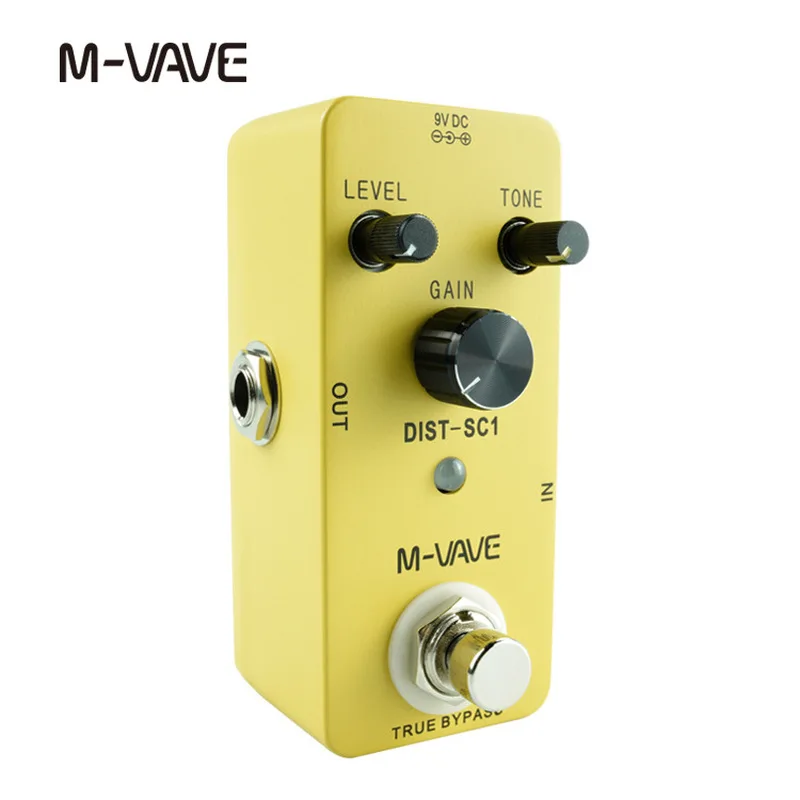
Guitar pedals are compact effects units that shape and enhance a guitar’s sound, sitting between the instrument and the amplifier. They include gain pedals like overdrive and distortion, modulation effects such as chorus and tremolo, time-based effects like delay and reverb, and essential utilities including tuners, compressors and loopers. Understanding basic things such as pedal type, signal order, power requirements and intended use helps players choose pedals that suit their style, setup and playing environment.
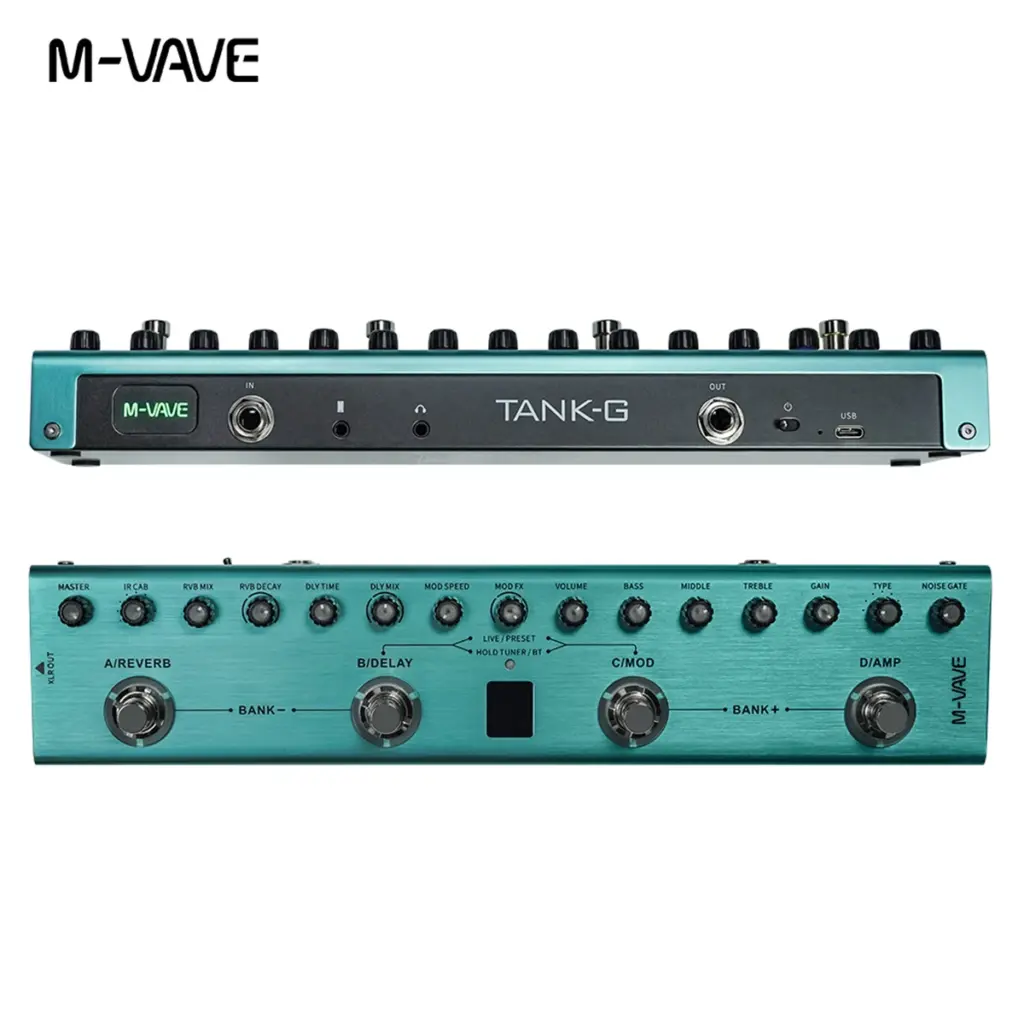
Multi-effects pedals combine several effect types, routing stages and often amplifier or cabinet modelling in one floor unit. Their usefulness depends on more than the number of sounds: preset organisation, footswitch layout, switching gaps, expression control, signal-path flexibility, audio quality, USB and MIDI support all affect how naturally the unit works in practice, recording or performance.
More Gear like this
Bass gear is all about laying the foundation of the music, providing depth, groove and connection between rhythm and harmony. From bass guitars and amplifiers to pedals and accessories designed specifically for low frequencies, everything here is built to deliver clarity, punch and control. Whether you are holding down a steady rhythm or shaping a more melodic bass voice, the right bass equipment helps you stay locked in and felt as much as heard.
Delay is an effect that records the guitar signal and plays it back after a short period of time, creating an echo or repeat. By adjusting the time, feedback, and level, delay can add subtle depth and space or produce rhythmic, expressive repeats that enhance lead lines, ambient textures, and overall atmosphere.
Guitar pedals alter, route, control or support an instrument signal from the floor. The tag covers individual effects, multi-effects, switching, tuning, looping, amplification and pedalboard utilities. The product category and additional effect tags identify the specific job each pedal performs.
Contains a battery designed to be recharged inside the unit. Cell capacity determines operating time, while charging connector, charge-while-playing support, battery protection and eventual replacement access affect long-term use. Charging noise and the number of full cycles before capacity declines are additional design considerations.