About the manufacturer
More info about this Product
Guitar pedals are compact effects units that shape and enhance a guitar’s sound, sitting between the instrument and the amplifier. They include gain pedals like overdrive and distortion, modulation effects such as chorus and tremolo, time-based effects like delay and reverb, and essential utilities including tuners, compressors and loopers. Understanding basic things such as pedal type, signal order, power requirements and intended use helps players choose pedals that suit their style, setup and playing environment.
More Gear like this
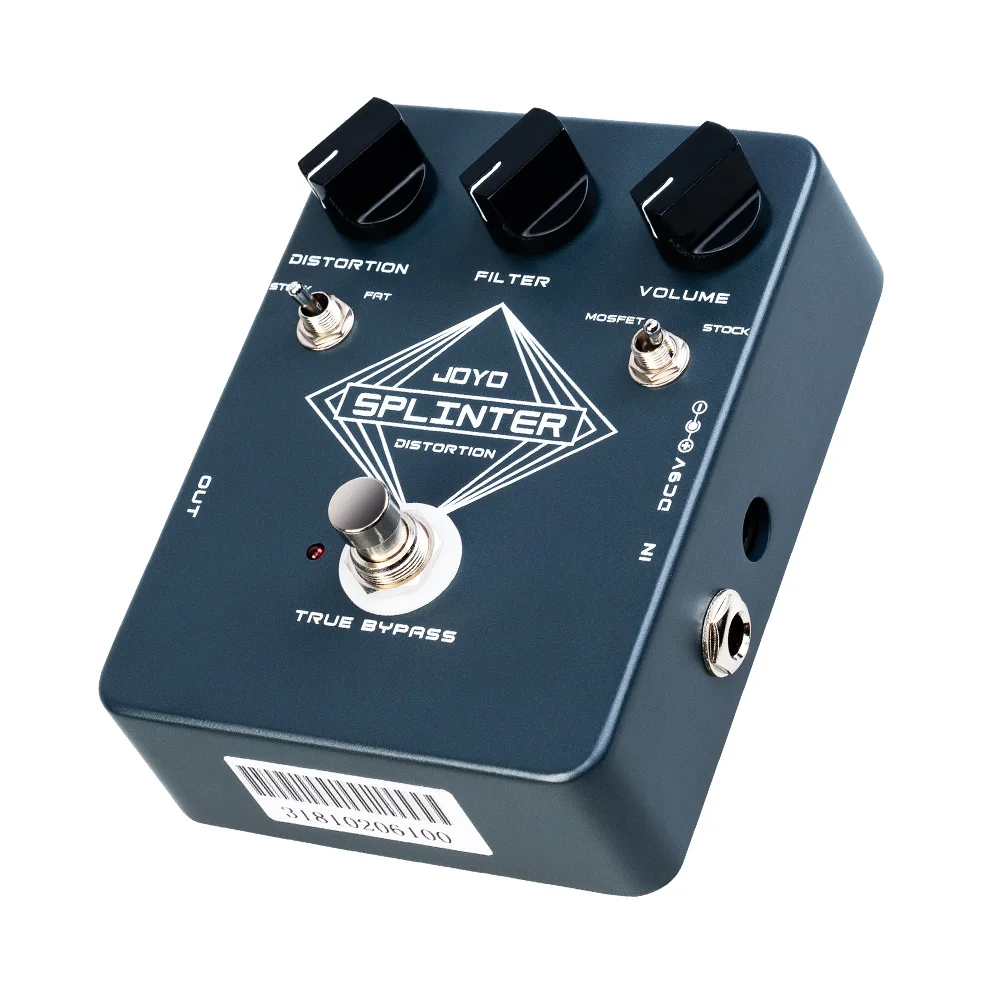
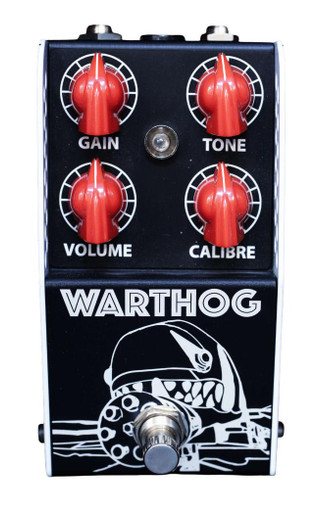
Distortion pedals deliver the raw, aggressive edge that defines rock and metal, transforming your clean tone into something powerful and full of attitude. By pushing your signal into rich harmonic saturation, they create thick, sustaining sounds that cut through any mix. From classic crunchy riffs to high-gain modern mayhem, distortion pedals give you total control over how wild or tight your tone gets. Whether you’re crafting searing leads or heavy rhythm walls, they’re an essential tool for adding energy, bite, and character to your playing.
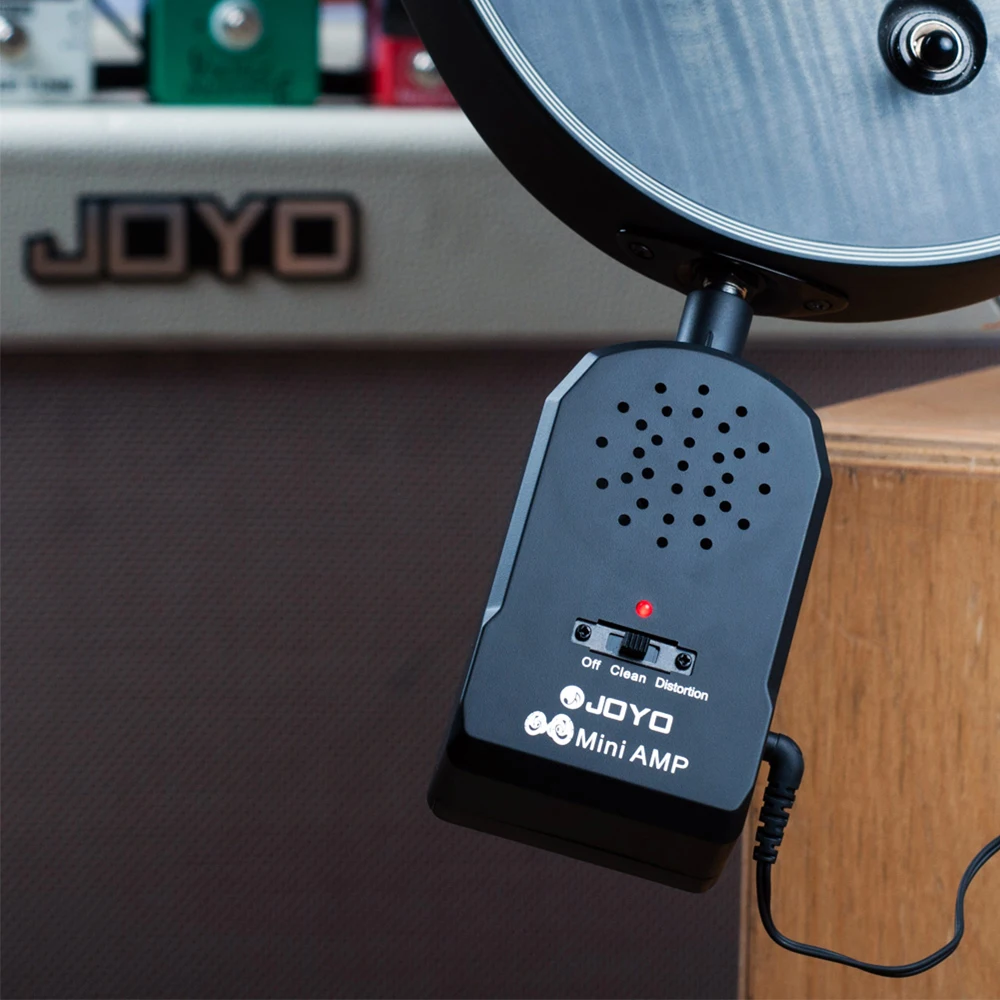
Mini describes a compact or scaled-down version of a guitar pedal or piece of gear, designed to save space without sacrificing core functionality. Mini pedals are ideal for crowded pedalboards, travel rigs, or players who want essential sounds in a smaller footprint while keeping their setup simple and efficient.
Uses a reduced-width enclosure to conserve pedalboard space. The smaller format can limit battery access, footswitch spacing and the number or size of controls, while side-mounted sockets and power placement determine how much space is actually saved once connected.
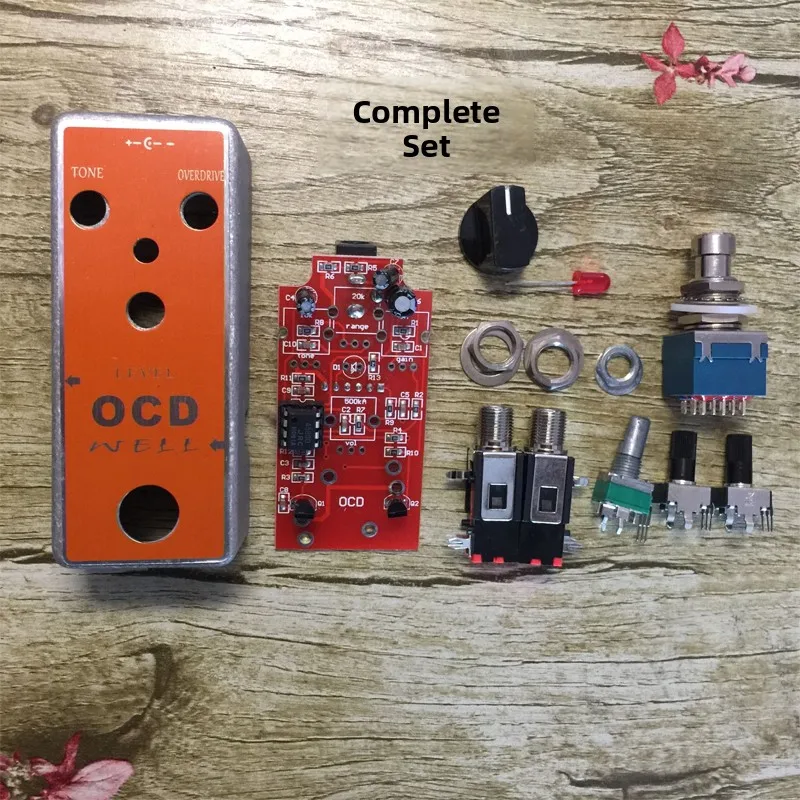
Overdrive pedals add warmth, grit, and natural compression to your tone, capturing the feel of a pushed tube amp. They respond dynamically to your playing, offering everything from a light bluesy crunch to full, saturated rock tones. Perfect for boosting solos or shaping your core sound, an overdrive pedal brings character and life to any setup. Whether you prefer vintage smoothness or modern bite, these pedals are essential for players who want expressive, touch-sensitive drive with plenty of personality.
Reverb (short for reverberation) is an audio effect that simulates the natural reflections of sound in a physical space. When you play in a room, hall, or cathedral, the sound waves bounce off the walls, ceiling, and floor, creating a sense of depth and ambience. Reverb pedals and processors recreate this effect electronically, allowing guitarists and producers to shape how “big” or “live” their sound feels. From short, springy echoes that mimic vintage amp tanks to lush, atmospheric washes used in ambient or shoegaze music, reverb adds dimension and realism — turning a dry, flat tone into something immersive and expressive.