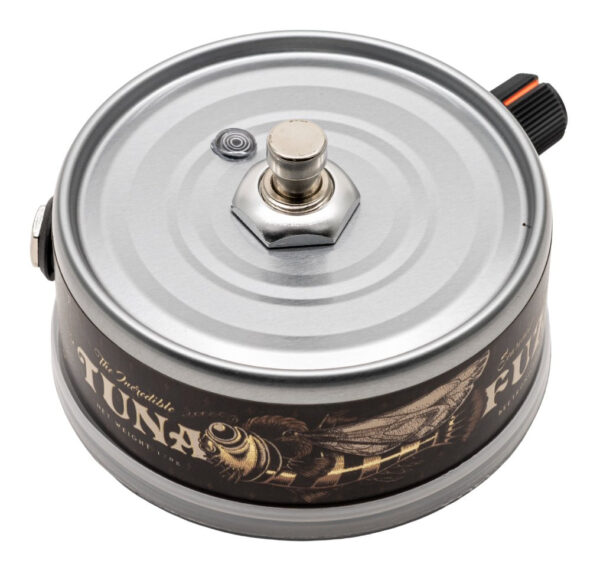
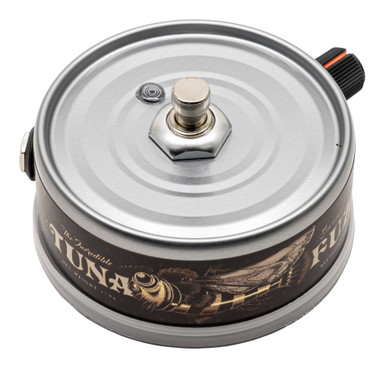



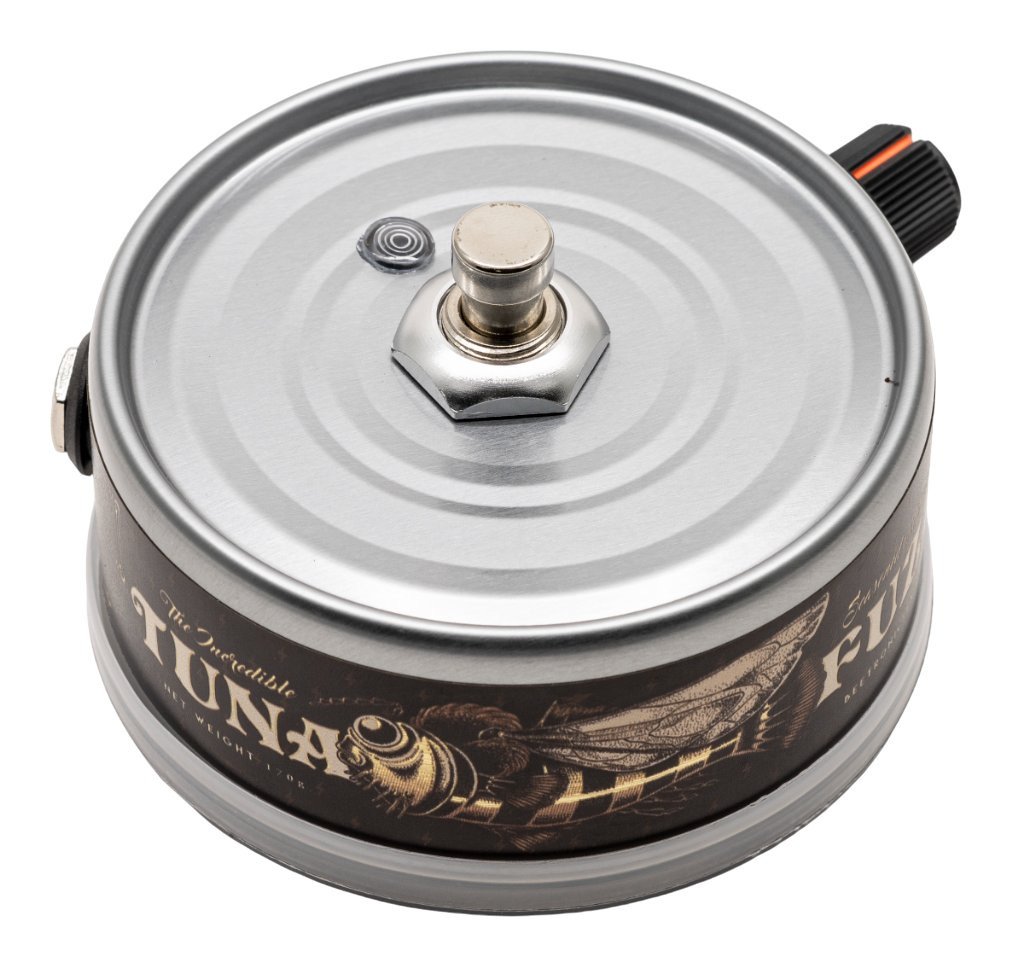
Beetronics Tuna Can Fuzz Pedal

View more in ,
Tags: ,
View more by

As an affiliate partner, we may earn a small commission when you buy through our links — at no extra cost to you.

£119.99

This is a New Beetronics Tuna Can Fuzz Pedal from Beetronics, available in the Guitar Pedals category on Guitars Pedals Amps and Stuff. Read More below to get the latest prices, demos and how to order for UK delivery.

Description

Play a tuna or two with vintage style fuzz for you fuzz fin-atics It’s o-fish-ial. Deliver a boatload of vintage-style fuzz with a super-simple single-knob format, all from a can of tuna. Its “Stinker” knob controls the amount of volume boost for you to cut through the mix without spilling your gills. This description is starting to feel a little fishy – time to scale back. Key Features What a Stinker! – Use the single knob control “Stinker” for controlling the output volume Preset Fuzz Gain – Preset fuzz gain, adjustable from your guitar’s volume knob – oh my cod! The unique tuna can format embodies the creative spirit that has always been the heart of Beetronics, but don’t let the unusual package fool you: the Tuna Fuzz is a serious pedal with great tone – you will have a whale of a time. You can control the amount of fuzz with your guitar’s volume knob, and the Tuna Fuzz cleans up amazingly well when you roll back the volume on your guitar. To top it off, Beetronics has added a cool Tunabee design on the PCB, visible through the plastic back cover. The Tuna Fuzz draws inspiration from Beetronics founder Filipe’s early days of tinkering, when limited funds led him to repurpose tuna cans as pedal enclosures! Specifications 9-volt DC operation using standard external power supply – no battery compartment True bypass switching

About the manufacturer

Beetronics

Beetronics is a guitar-effects maker. The current GPAS selection includes Wannabee Beelateral Buzz Dual Overdrive, LARVA 6-Stage Analog Morphing Phaser FX and Bee Bee Dee Analogue Delay FX and covers overdrive pedals, phaser pedals and delay pedals. The model name matters because each effect has a different job in a rig.

For these products, compare effect function, control range, switching, bypass or routing, power requirements and the intended guitar or bass role. The product page is the authority for exact circuitry, connections, condition and included items.

More info about this Product

Fuzz Pedals

Fuzz drives the signal into extreme clipping, often flattening the waveform and generating a thick spectrum of harmonics. Transistor type, bias, input loading and tone filtering create markedly different responses, from loose and velvety to gated, spluttering or octave-rich. Some circuits interact strongly with pickup impedance and guitar volume, while others include buffers or blends for a more consistent response.

Guitar Pedals

Guitar pedals are compact effects units that shape and enhance a guitar’s sound, sitting between the instrument and the amplifier. They include gain pedals like overdrive and distortion, modulation effects such as chorus and tremolo, time-based effects like delay and reverb, and essential utilities including tuners, compressors and loopers. Understanding basic things such as pedal type, signal order, power requirements and intended use helps players choose pedals that suit their style, setup and playing environment.

More Gear like this

Fuzz

Fuzz is one of the earliest and most distinctive guitar effects, known for its thick, gritty, and saturated tone that completely transforms your sound. It works by heavily clipping the audio signal, producing a raw, almost broken distortion that defined the sound of the ’60s and ’70s rock era. Classic pedals like the Fuzz Face and Big Muff became legendary for their roaring sustain and rich harmonic texture. Modern fuzz pedals range from vintage-style warmth to wild, synth-like chaos, making them perfect for players who want to add character, attitude, and a touch of chaos to their tone.

Guitar Pedal

Guitar pedals alter, route, control or support an instrument signal from the floor. The tag covers individual effects, multi-effects, switching, tuning, looping, amplification and pedalboard utilities. The product category and additional effect tags identify the specific job each pedal performs.