About the manufacturer
Boss is a Japanese company founded in 1973 and is one of the most respected names in the world of guitar effects and amplification. Known for their compact stompbox pedals, Boss has defined the sound of countless musicians with classics like the DS-1 Distortion, CE-2 Chorus, and DD-3 Delay. Their range now includes multi-effects processors, loop stations, amplifiers, and recording tools, all built with the brand’s trademark durability and reliability. Favoured by beginners and professionals alike, Boss products are a staple on pedalboards across the UK, offering dependable performance and iconic tone shaping for every style of music.
More info about this Product
Electric guitars use magnetic pickups to convert string vibration into an electrical signal, allowing the sound to be shaped through amplifiers and effects. Key things to understand include body shape, pickup type, neck profile, scale length and bridge design, as these all affect tone, feel and sustain. They are used across almost every modern genre, from clean and expressive to high-gain and aggressive styles, making them one of the most versatile instruments available.
Guitar pedals are compact effects units that shape and enhance a guitar’s sound, sitting between the instrument and the amplifier. They include gain pedals like overdrive and distortion, modulation effects such as chorus and tremolo, time-based effects like delay and reverb, and essential utilities including tuners, compressors and loopers. Understanding basic things such as pedal type, signal order, power requirements and intended use helps players choose pedals that suit their style, setup and playing environment.
Guitars cover a wide range of instruments designed to suit different styles, techniques, and sounds, from acoustic and classical models to solid body, semi-hollow, and hollow electric designs. Factors like body shape, scale length, neck profile, string type, and pickups all influence how a guitar feels and responds, making each type suited to different players and musical approaches. Whether used for rhythm, lead, songwriting, or experimentation, guitars are expressive, versatile instruments that form the heart of countless genres and playing styles.
More Gear like this
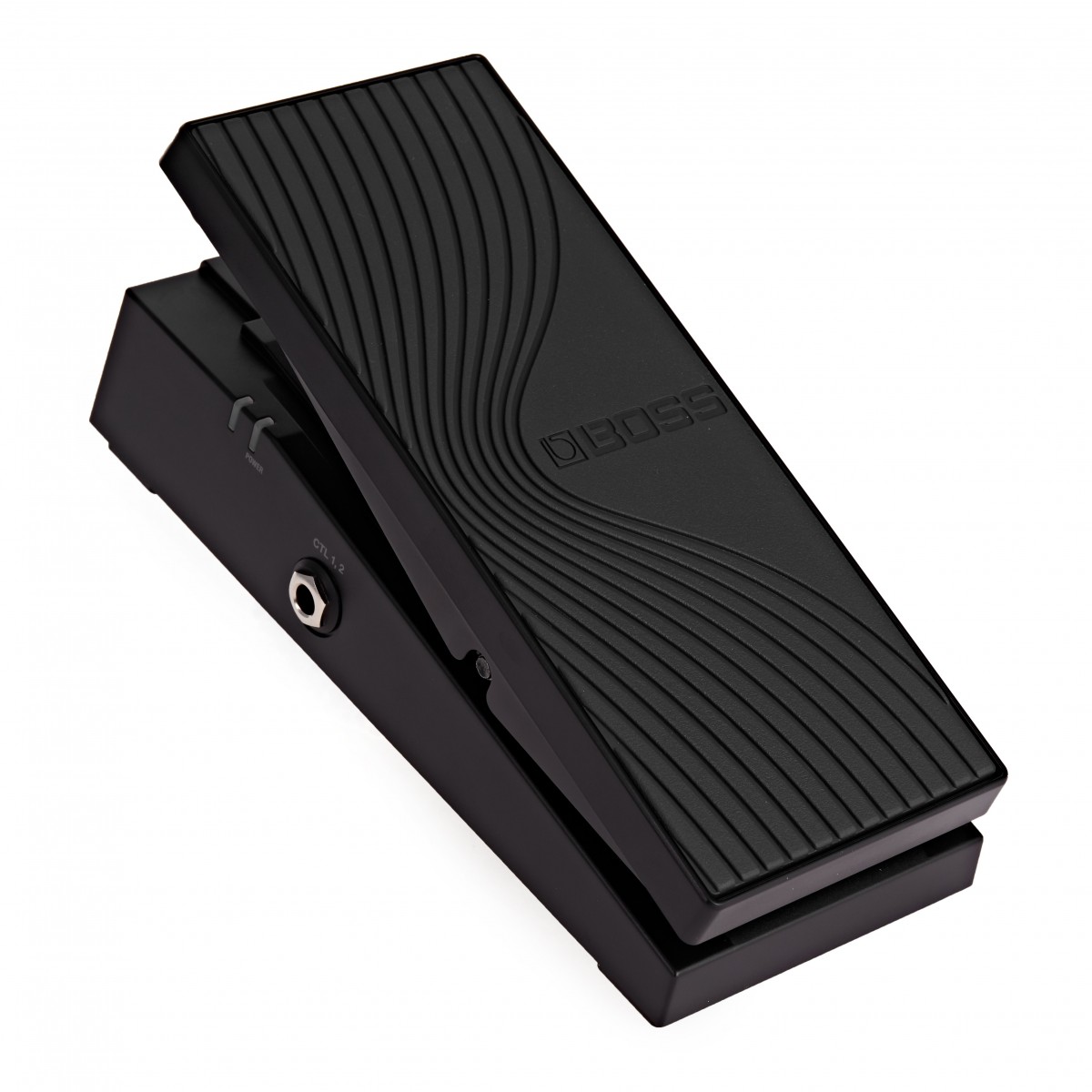
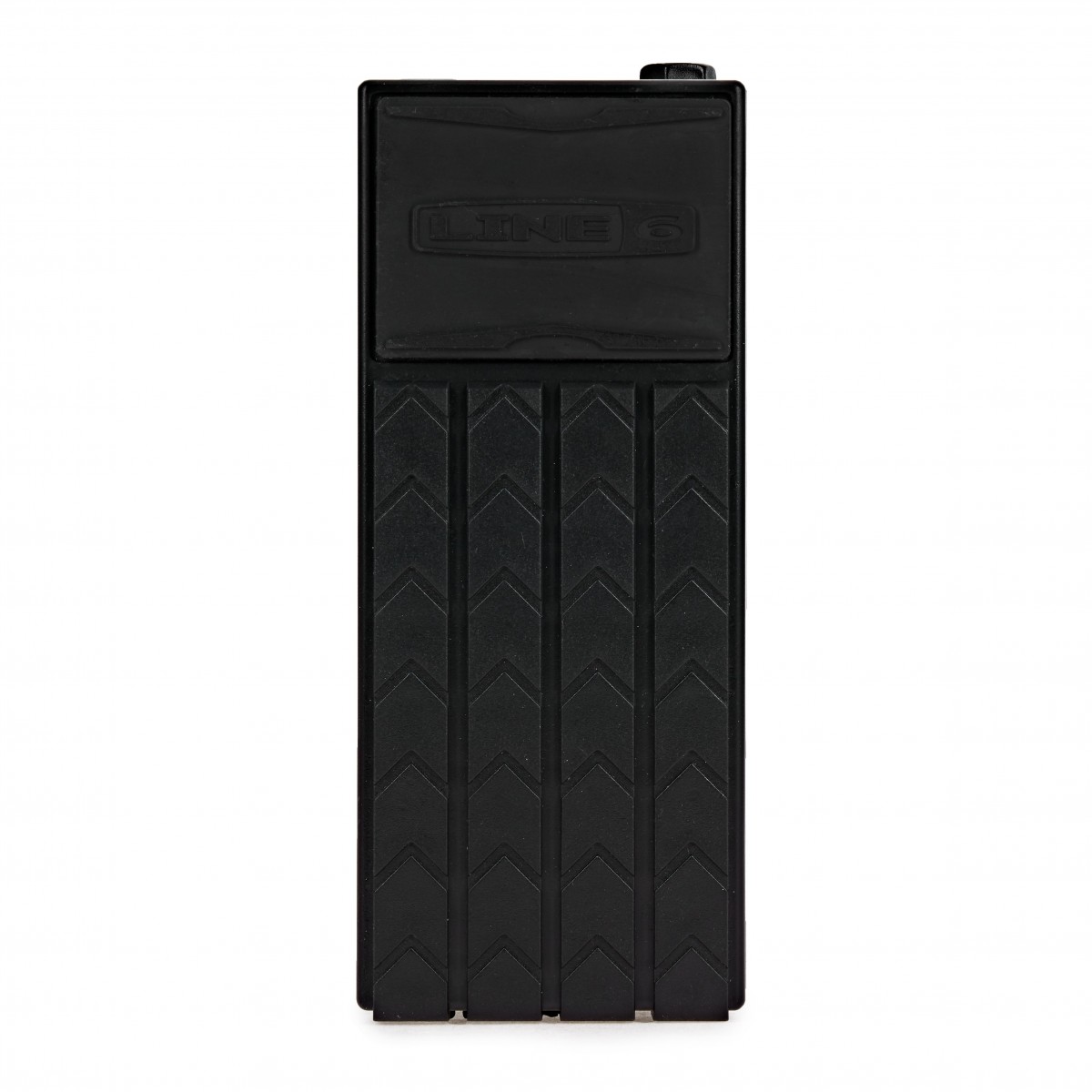
An expression pedal or expression input allows real-time, hands-free control over an effect’s parameters while playing. It is commonly used to adjust settings such as volume, sweep, depth, or modulation speed, giving players dynamic control and greater expression without stopping to tweak knobs.
MIDI is a digital communication standard that allows electronic instruments, controllers, and audio equipment to send and receive performance data rather than audio signals. This data includes information such as note on and off messages, pitch, velocity, control changes, and timing, enabling different devices to work together in sync.
In music gear, MIDI is used to control synthesizers, drum machines, effects units, and software from keyboards, pedals, or computers. It allows complex setups to be automated and coordinated, making it essential for studio production, live performance, and modern electronic and hybrid music rigs.