About the manufacturer
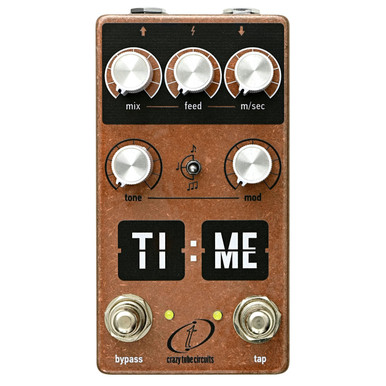
Crazy Tube Circuits is a guitar-effects maker. The current GPAS selection includes HI POWER Dual Channel Amplifier & Overdrive, Unobtanium RAW Dual Channel Amplifier Overdrive and Super Conductor Multi-Mode Analogue Boost and covers overdrive pedals, boost pedals, delay pedals and phaser pedals. The model name matters because each effect has a different job in a rig.
For these products, compare effect function, control range, switching, bypass or routing, power requirements and the intended guitar or bass role. The product page is the authority for exact circuitry, connections, condition and included items.
More info about this Product
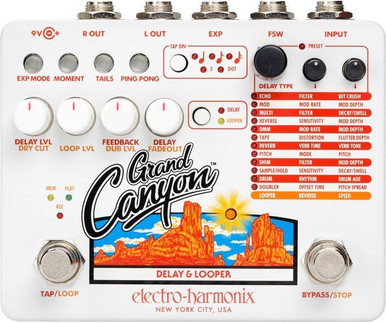
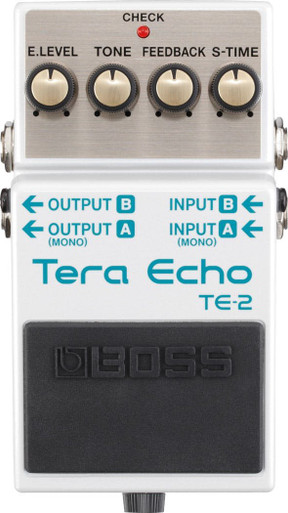
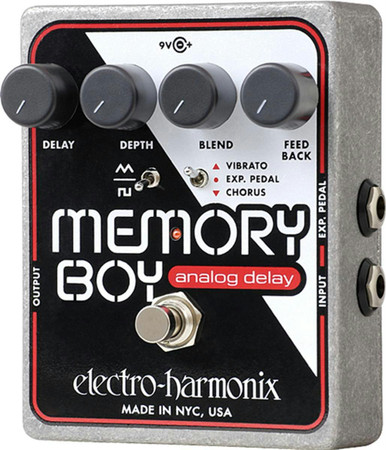
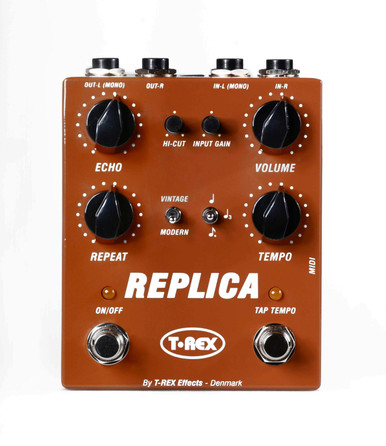
Delay records the incoming signal for a chosen interval and repeats it after the original note. Feedback returns repeats to the delay line, while tone, filtering, modulation and saturation determine whether echoes remain clear, darken progressively, wobble like tape or degrade like analogue bucket-brigade circuits. Delay time and rhythmic subdivisions govern the spacing and musical pattern of the repeats.
Guitar pedals are compact effects units that shape and enhance a guitar’s sound, sitting between the instrument and the amplifier. They include gain pedals like overdrive and distortion, modulation effects such as chorus and tremolo, time-based effects like delay and reverb, and essential utilities including tuners, compressors and loopers. Understanding basic things such as pedal type, signal order, power requirements and intended use helps players choose pedals that suit their style, setup and playing environment.
More Gear like this
Delay is an effect that records the guitar signal and plays it back after a short period of time, creating an echo or repeat. By adjusting the time, feedback, and level, delay can add subtle depth and space or produce rhythmic, expressive repeats that enhance lead lines, ambient textures, and overall atmosphere.
Converts the signal or control process into numerical data for algorithmic processing. Digital designs can provide precise timing, long memory, complex routing and repeatable presets; sample rate, conversion, internal resolution and latency influence fidelity and response.
Guitar pedals alter, route, control or support an instrument signal from the floor. The tag covers individual effects, multi-effects, switching, tuning, looping, amplification and pedalboard utilities. The product category and additional effect tags identify the specific job each pedal performs.
Valve amplifiers use vacuum tubes in part or all of the amplification path. Their response depends on circuit design, output stage, speaker load and operating level rather than valve technology alone. Compare power, channel structure, master volume, attenuation, speaker outputs and maintenance requirements.