About the manufacturer
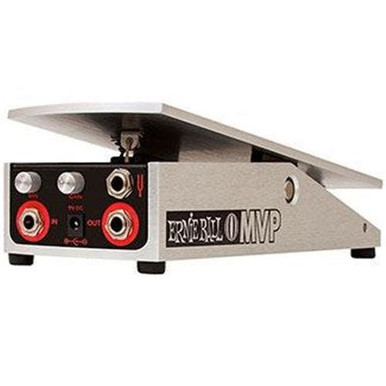
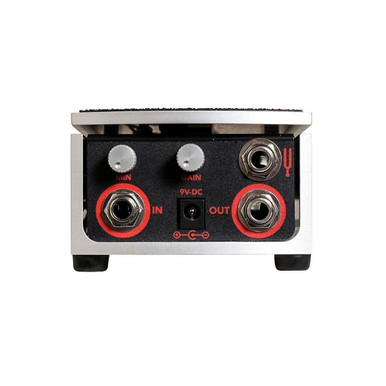
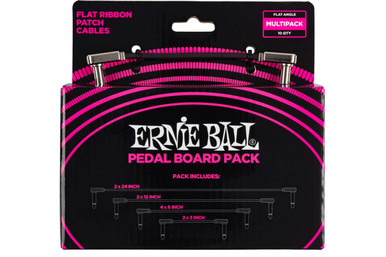
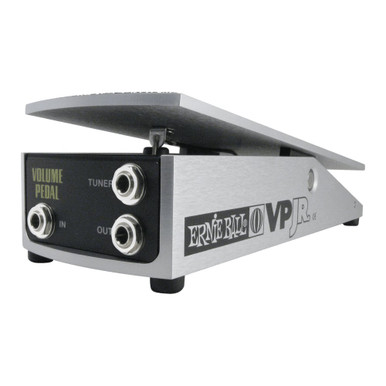
Ernie Ball is best known for strings and player accessories, but the current GPAS selection also includes volume pedals and pedal-power equipment. Products such as the MVP and VP JR volume pedals sit alongside the Volt DC supply, pedalboard accessories and Slinky strings. Compare taper, gain or boost functions, output requirements, cable layout, string gauge and pack contents rather than treating every Ernie Ball listing as the same type of product.
More info about this Product
Guitar pedals are compact effects units that shape and enhance a guitar’s sound, sitting between the instrument and the amplifier. They include gain pedals like overdrive and distortion, modulation effects such as chorus and tremolo, time-based effects like delay and reverb, and essential utilities including tuners, compressors and loopers. Understanding basic things such as pedal type, signal order, power requirements and intended use helps players choose pedals that suit their style, setup and playing environment.
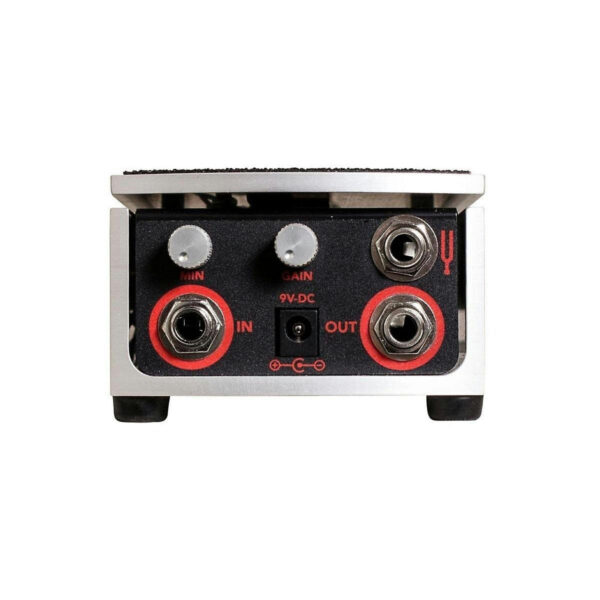
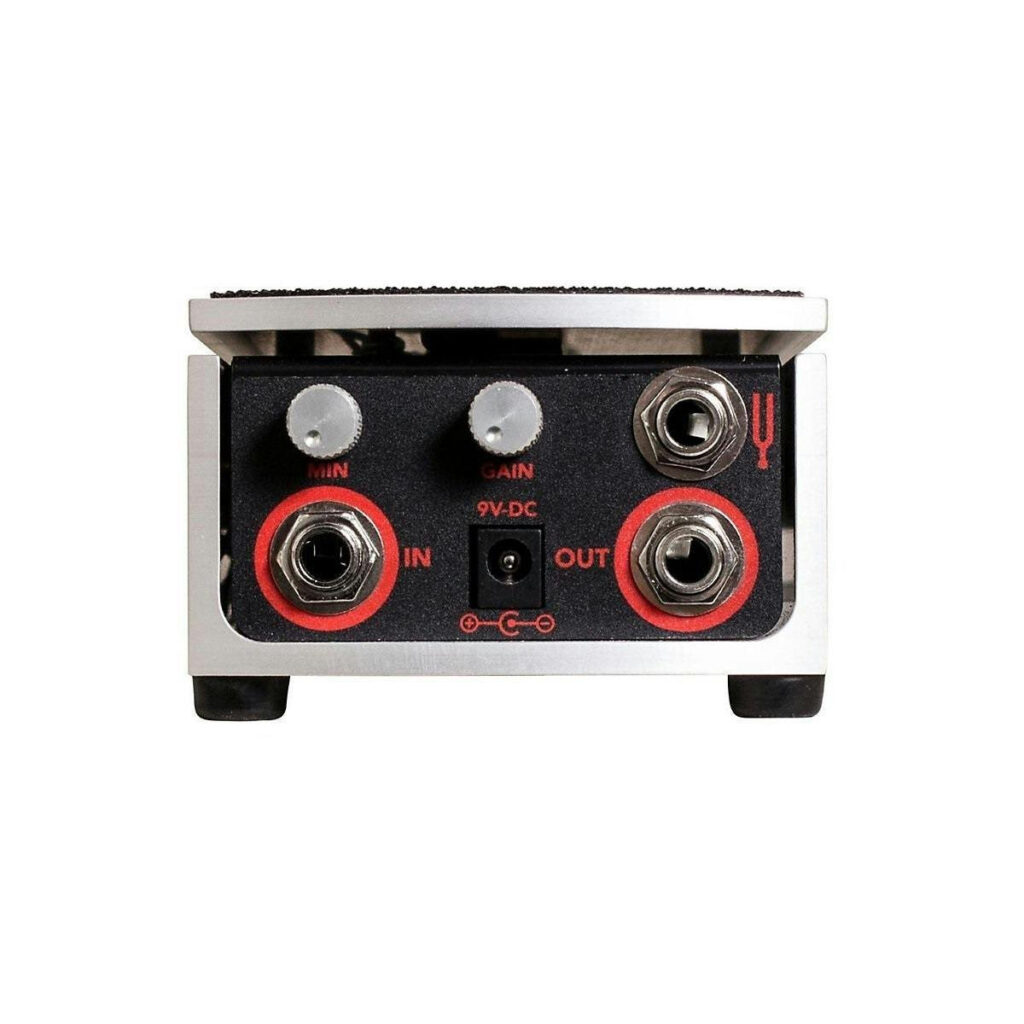
A volume pedal places a foot-controlled attenuator in the audio path, varying level without changing the instrument itself. Potentiometer value and active or passive design determine impedance compatibility, sweep shape and high-frequency retention. Placement before gain changes both loudness and distortion response; placement later behaves more like a master level. Minimum-volume, tuner and stereo connections extend the basic function.
More Gear like this
Boost pedals give your signal that extra push — perfect for cutting through the mix or driving your amp into sweet natural overdrive. Whether you want a clean volume lift for solos or a touch of grit to wake up your tone, a good boost adds clarity, punch, and presence without changing your core sound. Simple, powerful, and essential on any board, a boost pedal can turn a good tone into a great one with just one stomp.
Guitar pedals alter, route, control or support an instrument signal from the floor. The tag covers individual effects, multi-effects, switching, tuning, looping, amplification and pedalboard utilities. The product category and additional effect tags identify the specific job each pedal performs.