About the manufacturer
ESP is a Japanese guitar and bass manufacturer founded in 1975, originally known as Electric Sound Products. The company is highly respected for its precision craftsmanship and powerful designs that appeal especially to rock and metal players. ESP offers a wide range of instruments, from its high-end Custom Shop models made in Japan and the USA to the more affordable LTD series aimed at everyday musicians. Known for their sleek looks, fast necks, and aggressive tone, ESP guitars are a popular choice for both professional performers and aspiring players across the UK.
More info about this Product
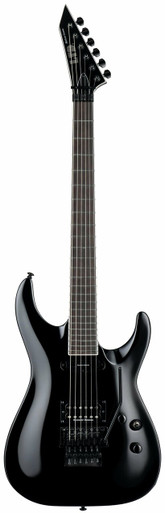
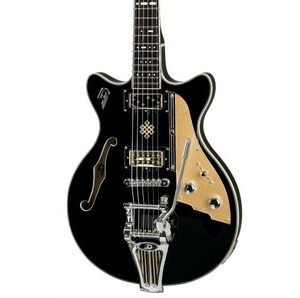
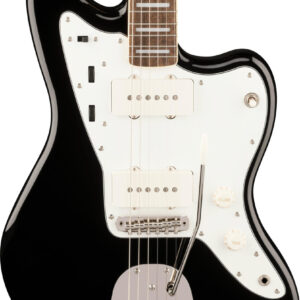
Electric guitars use magnetic pickups to convert string vibration into an electrical signal, allowing the sound to be shaped through amplifiers and effects. Key things to understand include body shape, pickup type, neck profile, scale length and bridge design, as these all affect tone, feel and sustain. They are used across almost every modern genre, from clean and expressive to high-gain and aggressive styles, making them one of the most versatile instruments available.
More Gear like this
Black instruments and gear offer a timeless, understated look that fits almost any style of music or setup. Whether it’s a guitar, pedal or accessory, a black finish is often chosen for its clean appearance, practicality and stage-ready feel. If you prefer gear that looks focused, professional and never goes out of fashion, black options deliver a classic aesthetic with no distractions.