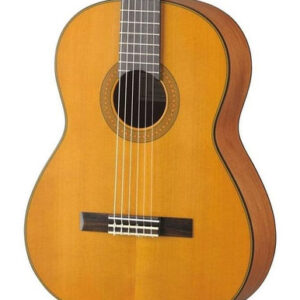
Description
Features
- Nylon Strung Electro Classical Guitar with cutaway
- Spruce top
- Mahogany body
- Rosewood fretboard and bridge
- Gold hardware
- Piezo pickup with 4-band EQ
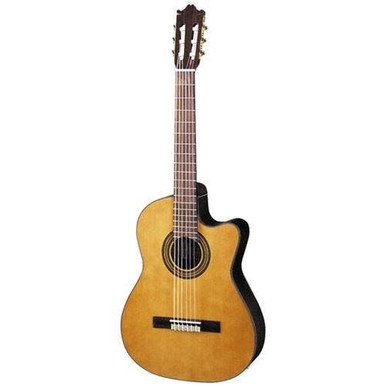
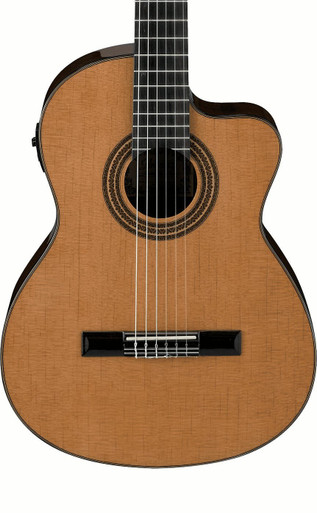
Features Nylon Strung Electro Classical Guitar with cutaway Spruce top Mahogany body Rosewood fretboard and bridge Gold hardware Piezo pickup with 4-band EQ
Ibanez is a Japanese guitar and bass manufacturer with roots dating back to the early 1900s, officially established under the Hoshino Gakki company. Known for innovation and versatility, Ibanez produces a wide range of instruments, from beginner-friendly models to high-end signature guitars used by some of the world’s leading musicians. Their designs often feature sleek body shapes, fast necks, and powerful pickups that appeal to players across genres like rock, metal, jazz, and fusion. With popular ranges such as the RG, S, and Artcore series, Ibanez has built a strong reputation in the UK for reliability, playability, and exceptional value for musicians at every level.