About the manufacturer
Mooer are known for making standout effects pedals and more. Founded with a passion for tone and innovation, their gear has shaped countless records and players’ sounds. Look out for their iconic designs and flagship models — they’ve earned a reputation for reliability and creativity.
More info about this Product
Guitar pedals are compact effects units that shape and enhance a guitar’s sound, sitting between the instrument and the amplifier. They include gain pedals like overdrive and distortion, modulation effects such as chorus and tremolo, time-based effects like delay and reverb, and essential utilities including tuners, compressors and loopers. Understanding basic things such as pedal type, signal order, power requirements and intended use helps players choose pedals that suit their style, setup and playing environment.
More Gear like this
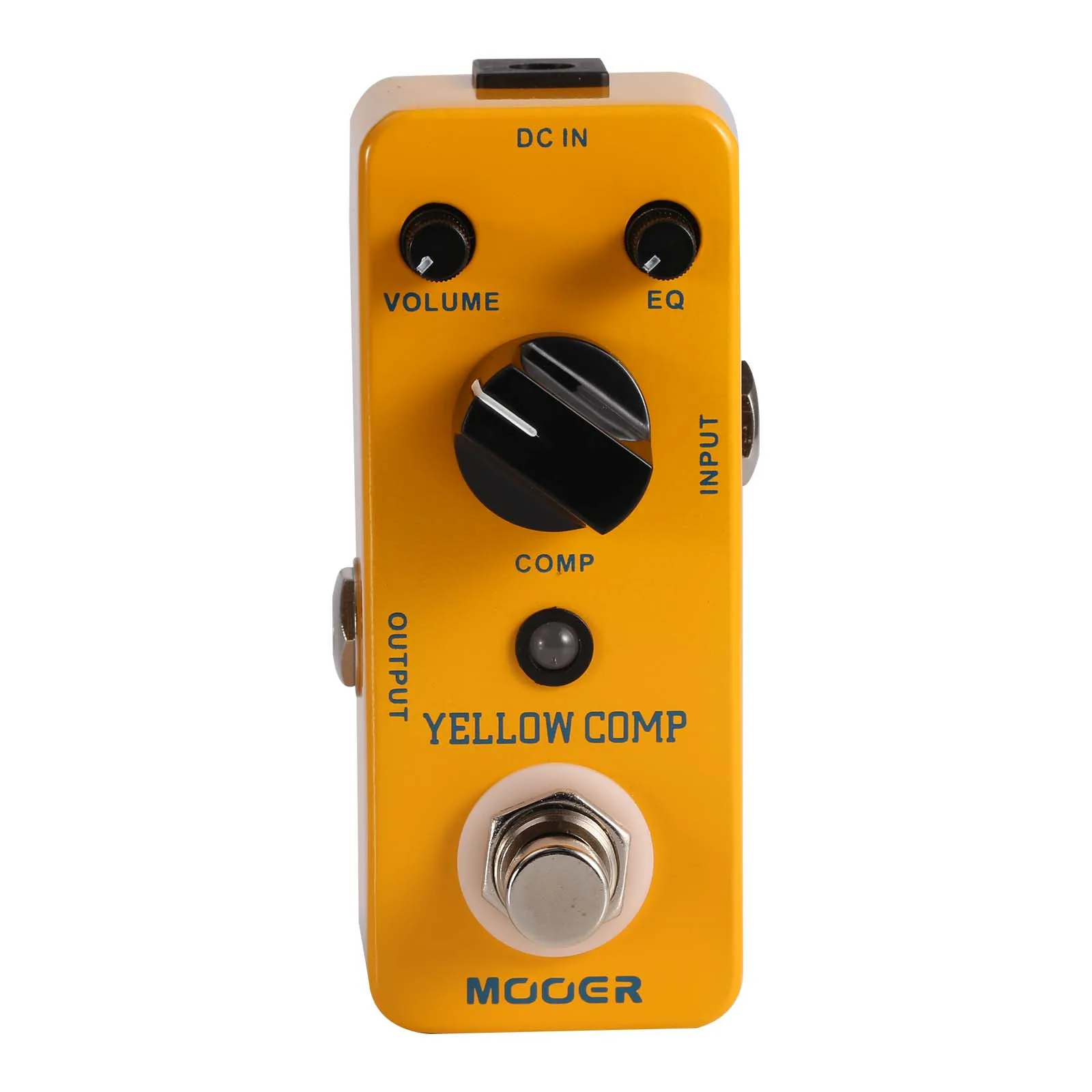
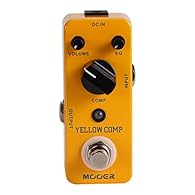
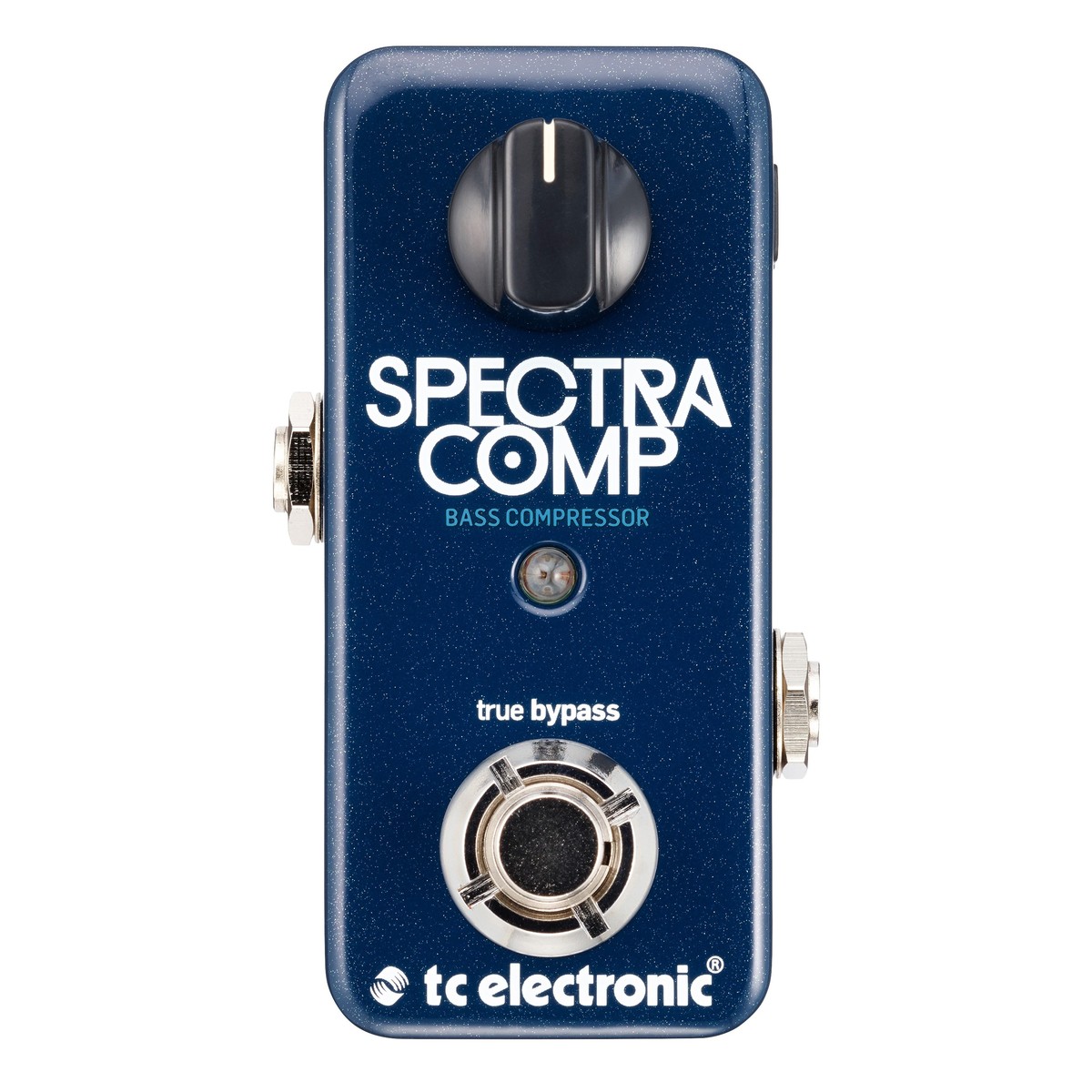
A compressor evens out the dynamics of a guitar signal by reducing the difference between loud and quiet notes. It adds sustain, tightens the overall sound, and can enhance clarity and consistency, making it especially useful for clean playing, funk rhythms, and smooth lead tones.
EQ, or equalisation, is used to shape the tonal balance of a sound by boosting or cutting specific frequency ranges. Common controls include bass, mid, and treble, or more detailed bands that allow precise adjustment of problem areas or tonal character.
EQ is an essential tool in guitar rigs, recording, and live sound, helping instruments sit properly in a mix and sound clear without unwanted harshness or muddiness. It can be used subtly to refine tone or more aggressively to dramatically reshape a sound.
Volume controls the overall output level of a signal, determining how loud the sound is sent to an amplifier, speaker, or audio system. It affects the final signal level without directly changing the tonal character of the sound.
In guitar and audio equipment, volume is used to balance levels between instruments, pedals, and channels, and to control dynamics in live and recording environments. Adjusting volume can also influence how other components respond, particularly in analogue circuits where level affects feel and interaction.