About the manufacturer
More info about this Product
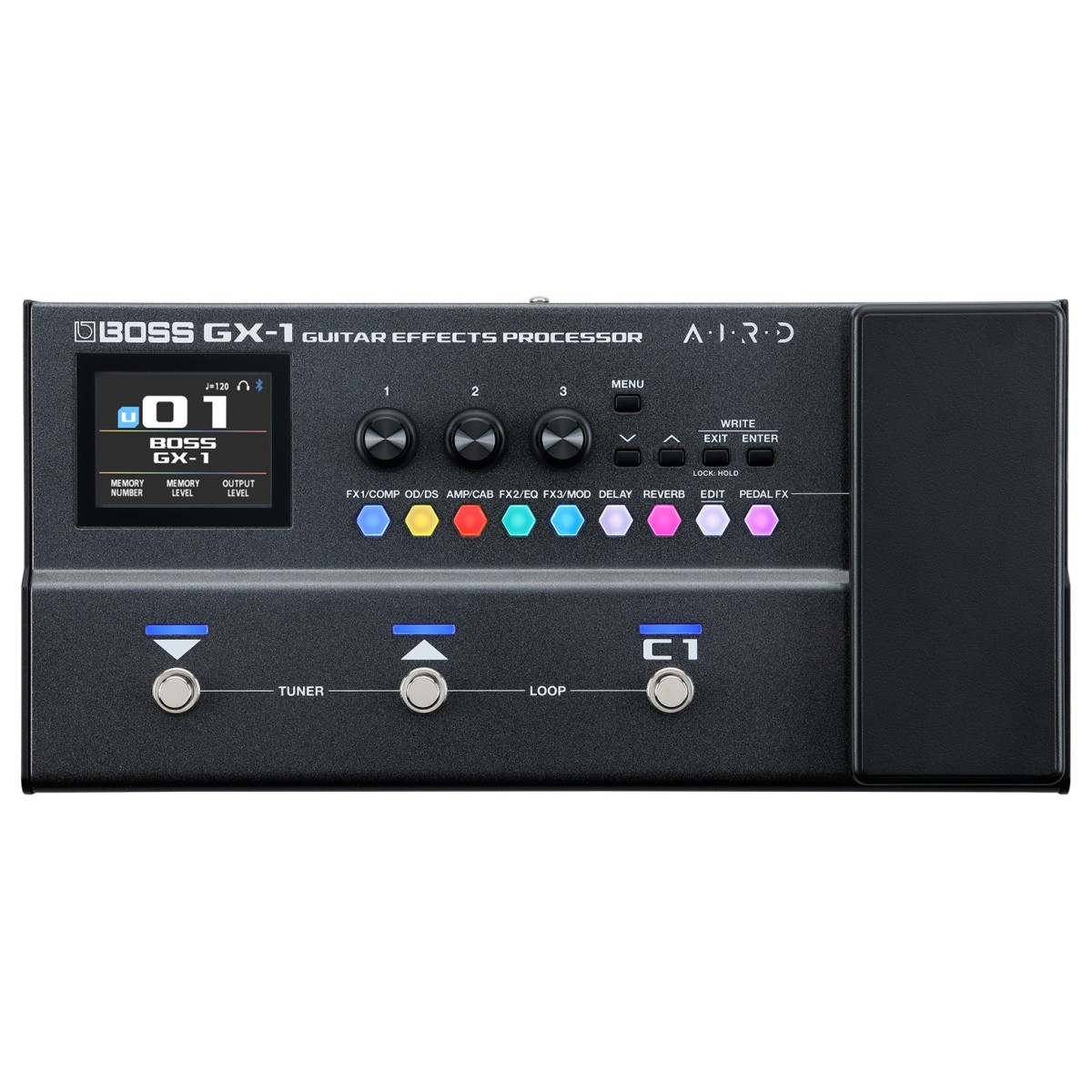
Guitar pedals are compact effects units that shape and enhance a guitar’s sound, sitting between the instrument and the amplifier. They include gain pedals like overdrive and distortion, modulation effects such as chorus and tremolo, time-based effects like delay and reverb, and essential utilities including tuners, compressors and loopers. Understanding basic things such as pedal type, signal order, power requirements and intended use helps players choose pedals that suit their style, setup and playing environment.
More Gear like this
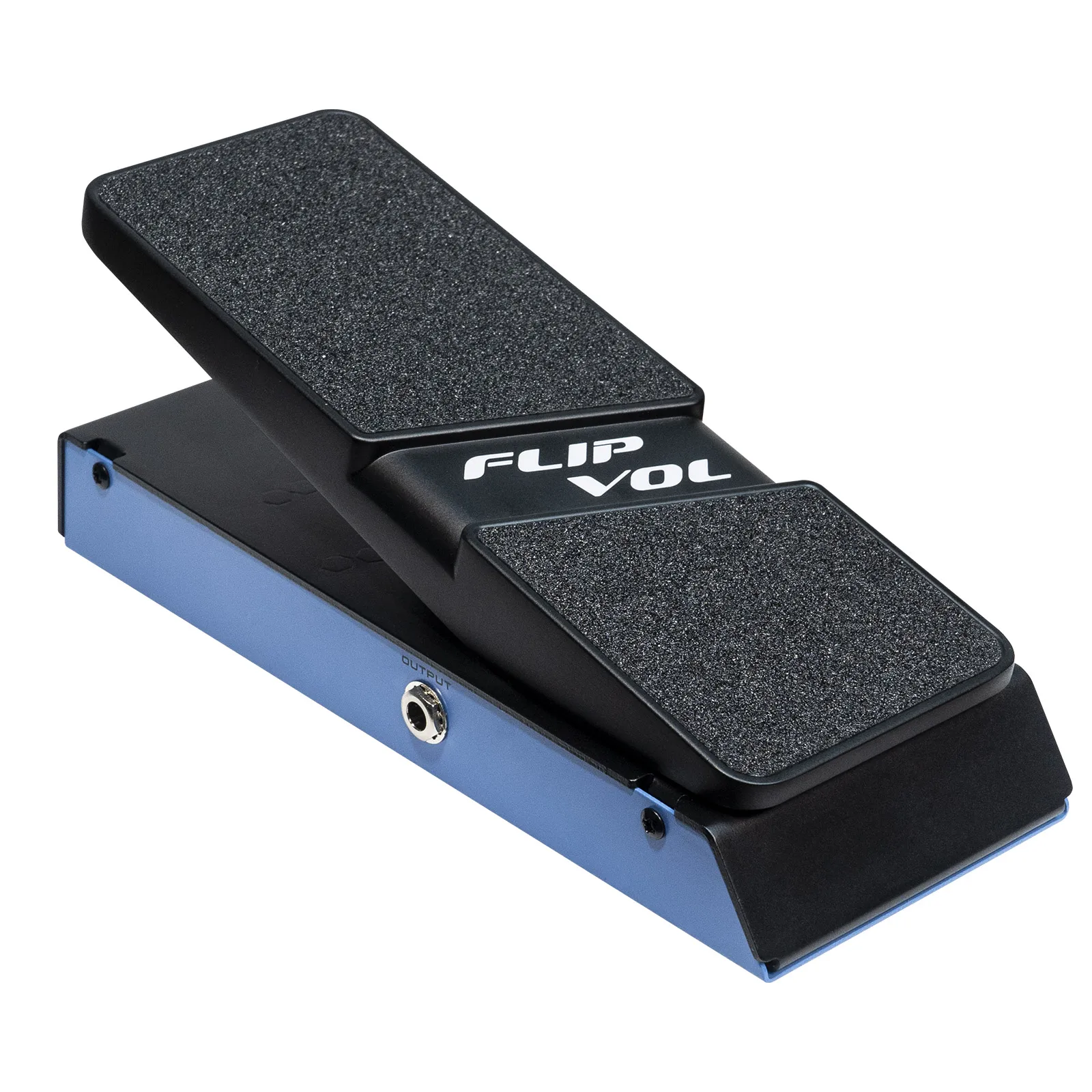
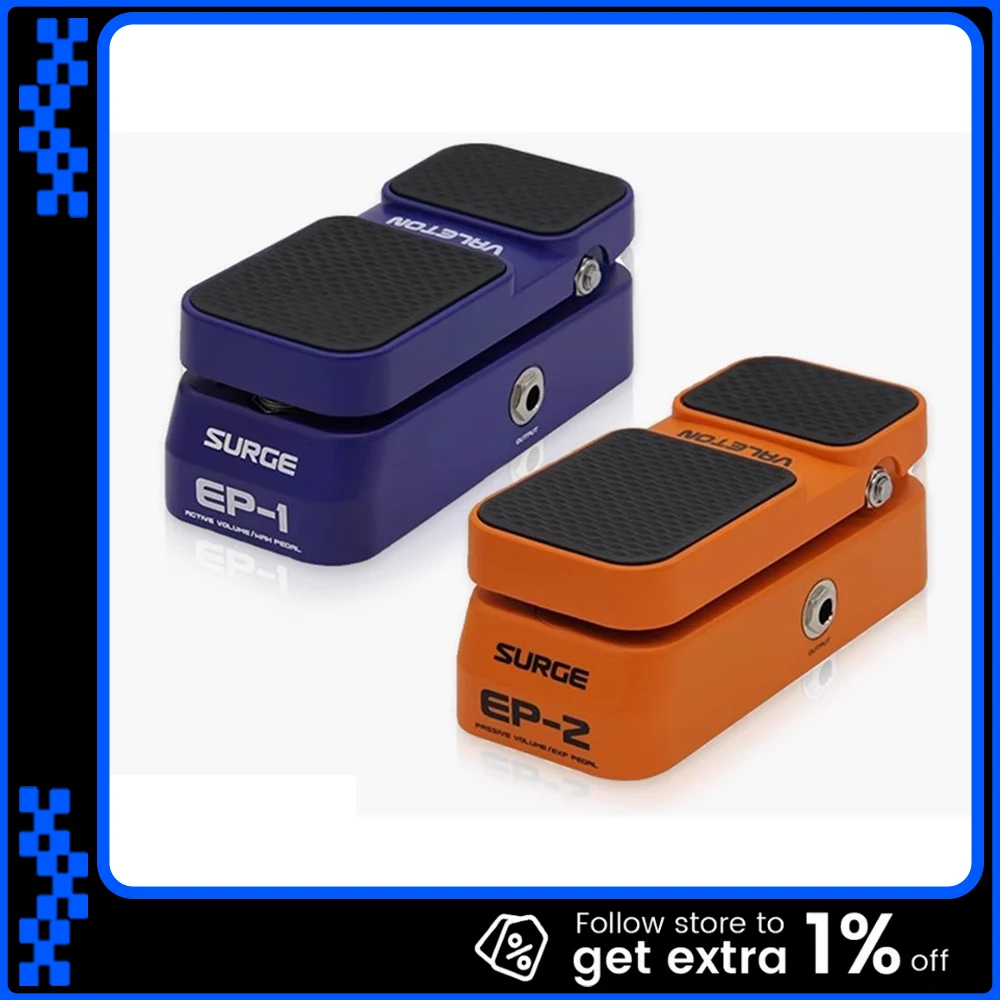
An expression pedal or expression input allows real-time, hands-free control over an effect’s parameters while playing. It is commonly used to adjust settings such as volume, sweep, depth, or modulation speed, giving players dynamic control and greater expression without stopping to tweak knobs.
Volume controls the overall output level of a signal, determining how loud the sound is sent to an amplifier, speaker, or audio system. It affects the final signal level without directly changing the tonal character of the sound.
In guitar and audio equipment, volume is used to balance levels between instruments, pedals, and channels, and to control dynamics in live and recording environments. Adjusting volume can also influence how other components respond, particularly in analogue circuits where level affects feel and interaction.