Description
Buy the Summer School Electronics Spring Break Reverb Pedal at Music Co.
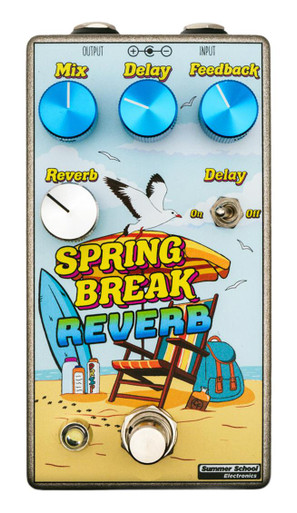
This is a New Summer School Electronics Spring Break Reverb Pedal from Summer School Electronics, now available in the Guitar Pedals category on Guitars Pedals Amps and Stuff.. Read More below.
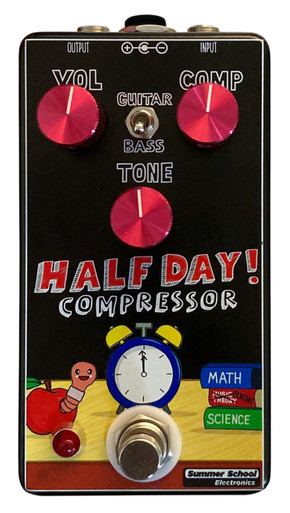
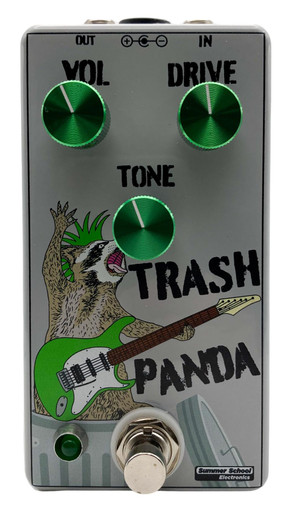
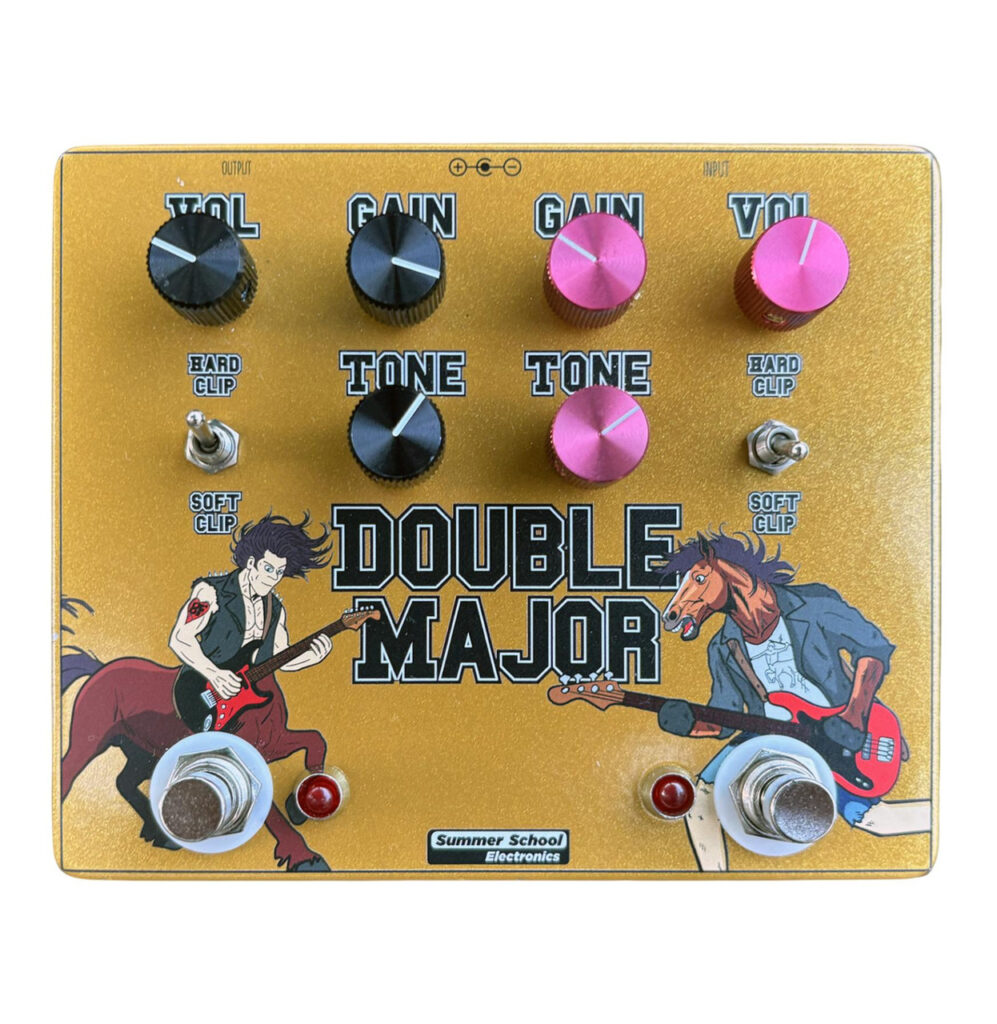
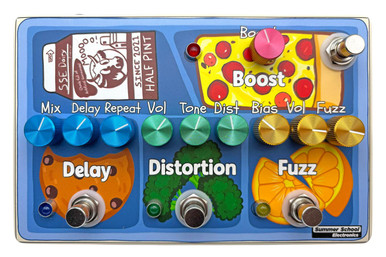
Summer School Electronics is a boutique pedal builder whose catalogue treats familiar effects as lessons in gain, dynamics and modulation. The range includes Class Reunion overdrive/fuzz, Extra Credit boost, Science Fair overdrive, Fuzz 101, Half Day compressor and Middle School chorus. The names are playful, but the useful differences are serious: clipping type, headroom, compression, EQ and how the circuit reacts to the guitar volume control. These pedals suit players who want recognisable building blocks with enough personality to make stacking and edge-of-breakup work interesting.
Guitar pedals are compact effects units that shape and enhance a guitar’s sound, sitting between the instrument and the amplifier. They include gain pedals like overdrive and distortion, modulation effects such as chorus and tremolo, time-based effects like delay and reverb, and essential utilities including tuners, compressors and loopers. Understanding basic things such as pedal type, signal order, power requirements and intended use helps players choose pedals that suit their style, setup and playing environment.
Reverb creates the dense pattern of reflections heard after sound enters a physical or imagined space. Room, hall, plate and spring models differ in reflection density, frequency decay and modulation, while ambient algorithms extend or transform the tail beyond natural acoustics. Decay, pre-delay, damping, diffusion and wet/dry balance define the apparent size, surface and distance of that space.
Guitar pedals alter, route, control or support an instrument signal from the floor. The tag covers individual effects, multi-effects, switching, tuning, looping, amplification and pedalboard utilities. The product category and additional effect tags identify the specific job each pedal performs.
Reverb (short for reverberation) is an audio effect that simulates the natural reflections of sound in a physical space. When you play in a room, hall, or cathedral, the sound waves bounce off the walls, ceiling, and floor, creating a sense of depth and ambience. Reverb pedals and processors recreate this effect electronically, allowing guitarists and producers to shape how “big” or “live” their sound feels. From short, springy echoes that mimic vintage amp tanks to lush, atmospheric washes used in ambient or shoegaze music, reverb adds dimension and realism — turning a dry, flat tone into something immersive and expressive.