About the manufacturer
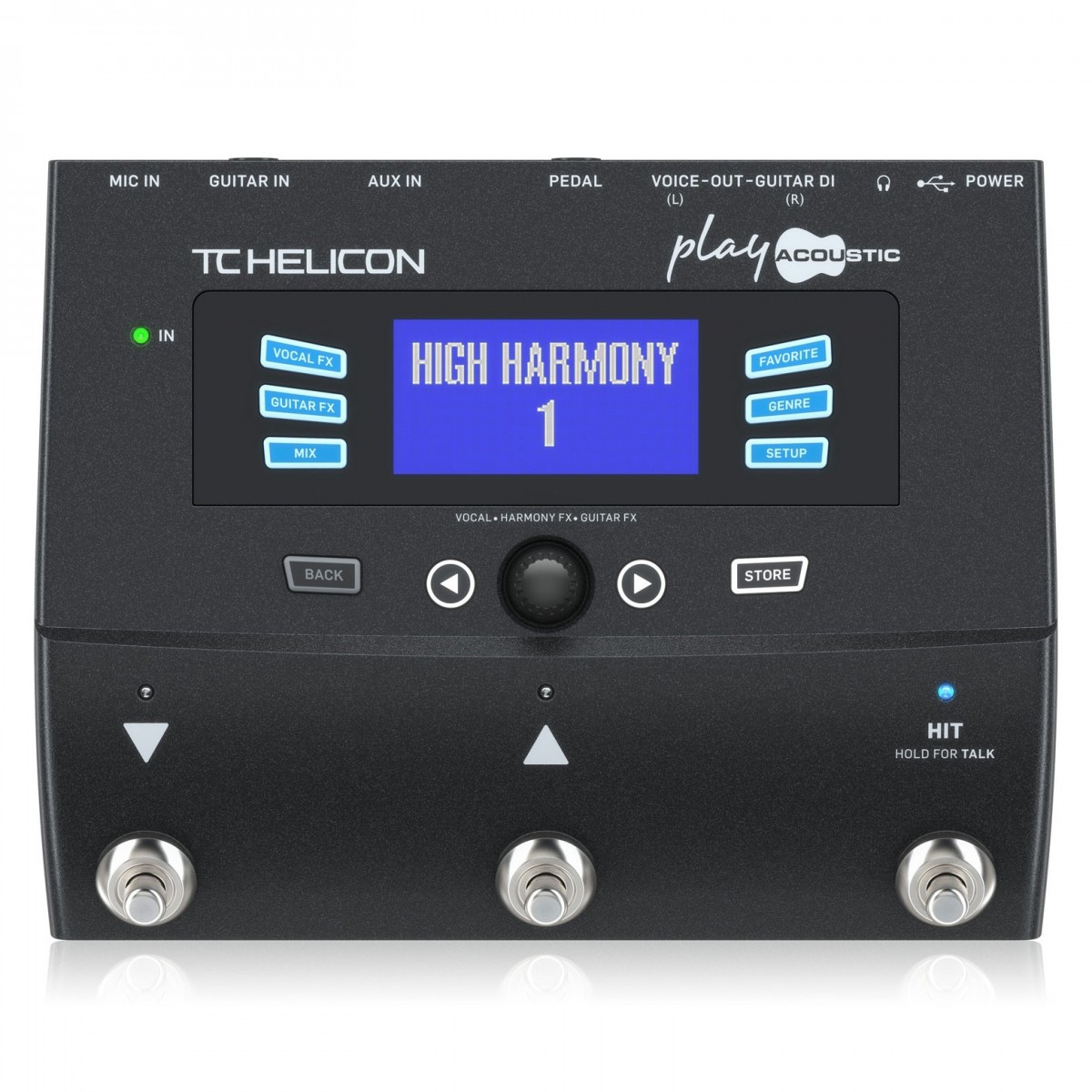
TC Helicon are known for making standout effects pedals and more. Founded with a passion for tone and innovation, their gear has shaped countless records and players’ sounds. Look out for their iconic designs and flagship models — they’ve earned a reputation for reliability and creativity.
More info about this Product
Guitar pedals are compact effects units that shape and enhance a guitar’s sound, sitting between the instrument and the amplifier. They include gain pedals like overdrive and distortion, modulation effects such as chorus and tremolo, time-based effects like delay and reverb, and essential utilities including tuners, compressors and loopers. Understanding basic things such as pedal type, signal order, power requirements and intended use helps players choose pedals that suit their style, setup and playing environment.
Guitars cover a wide range of instruments designed to suit different styles, techniques, and sounds, from acoustic and classical models to solid body, semi-hollow, and hollow electric designs. Factors like body shape, scale length, neck profile, string type, and pickups all influence how a guitar feels and responds, making each type suited to different players and musical approaches. Whether used for rhythm, lead, songwriting, or experimentation, guitars are expressive, versatile instruments that form the heart of countless genres and playing styles.
More Gear like this
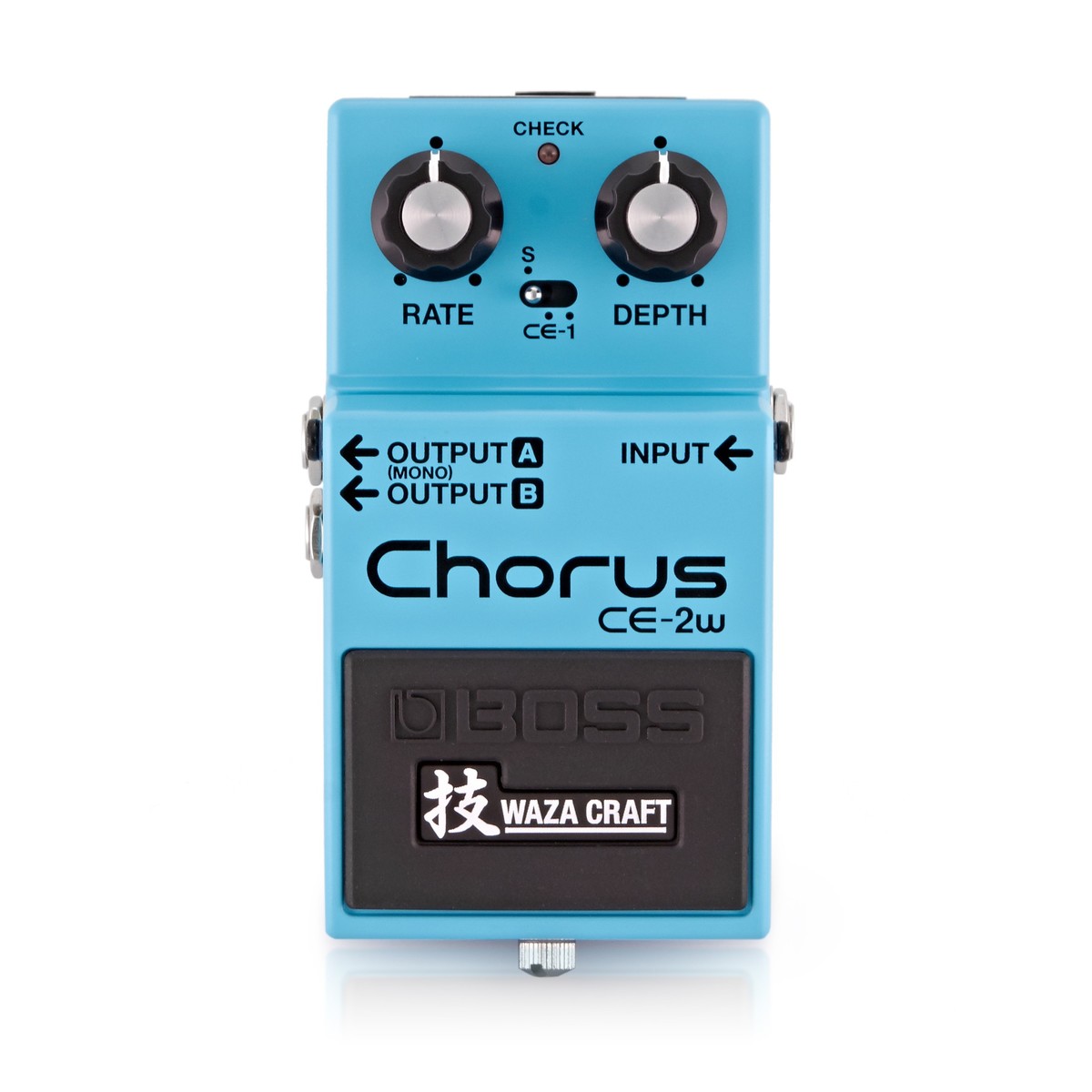
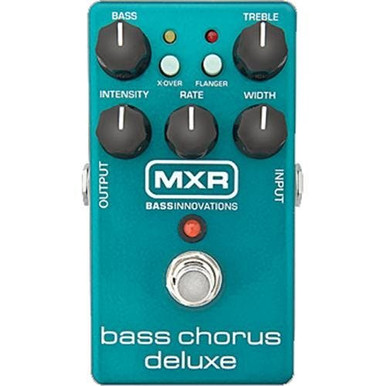
Chorus is a modulation effect that thickens and widens a sound by duplicating the signal, slightly detuning it, and modulating its pitch over time. This creates the impression of multiple instruments playing together, resulting in a rich, shimmering, and spacious tone.
It is commonly used on guitar, bass, and keyboards to add movement and depth, working especially well with clean or lightly driven sounds. Chorus became strongly associated with 1980s music but remains widely used across pop, rock, ambient, and modern styles for its ability to make a sound feel fuller and more animated.
Delay is an effect that records the guitar signal and plays it back after a short period of time, creating an echo or repeat. By adjusting the time, feedback, and level, delay can add subtle depth and space or produce rhythmic, expressive repeats that enhance lead lines, ambient textures, and overall atmosphere.
A DI, or direct input, is used to connect an instrument or audio source directly to a mixing desk, audio interface, or PA system without using a microphone. It converts the high-impedance, unbalanced signal from instruments like guitars, basses, or keyboards into a low-impedance, balanced signal suitable for long cable runs and professional audio equipment.
DI boxes are commonly used in live and studio environments to provide a clean, noise-free signal with consistent level and tone. They help reduce hum and interference, and are essential when recording or amplifying instruments directly, especially bass guitars, acoustic instruments, and modern digital rigs.
EQ, or equalisation, is used to shape the tonal balance of a sound by boosting or cutting specific frequency ranges. Common controls include bass, mid, and treble, or more detailed bands that allow precise adjustment of problem areas or tonal character.
EQ is an essential tool in guitar rigs, recording, and live sound, helping instruments sit properly in a mix and sound clear without unwanted harshness or muddiness. It can be used subtly to refine tone or more aggressively to dramatically reshape a sound.
Looper pedals let you record and layer your own playing in real time, building riffs, rhythms, and melodies into full arrangements. They’re brilliant for solo performers, practice sessions, and creative experimentation — turning one guitarist into an entire band. From simple one-button loopers to advanced multi-track units with effects and storage, a good looper brings endless inspiration right under your foot.
A preamp is a stage in the signal chain that boosts the guitar’s signal and shapes its core tone before it reaches the power amp or recording interface. Preamp pedals and units can add gain, EQ, and character, helping define clarity, warmth, and drive while forming the foundation of a player’s overall sound.
Reverb (short for reverberation) is an audio effect that simulates the natural reflections of sound in a physical space. When you play in a room, hall, or cathedral, the sound waves bounce off the walls, ceiling, and floor, creating a sense of depth and ambience. Reverb pedals and processors recreate this effect electronically, allowing guitarists and producers to shape how “big” or “live” their sound feels. From short, springy echoes that mimic vintage amp tanks to lush, atmospheric washes used in ambient or shoegaze music, reverb adds dimension and realism — turning a dry, flat tone into something immersive and expressive.