About the manufacturer
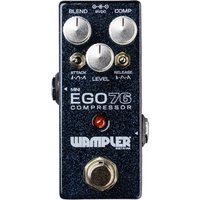
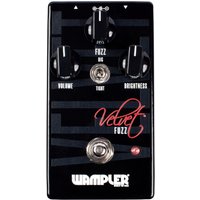
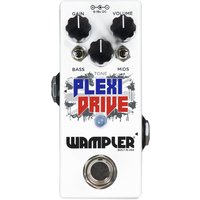
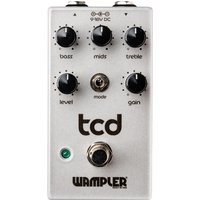
Wampler Pedals builds guitar and bass effects with a strong emphasis on gain, compression, fuzz, modulation and ambience that respond like part of an amplifier rather than a fixed preset. The current range includes Tumnus, Euphoria, Ego, Terraform, Ethereal and other drive and time-based designs. Model-specific controls cover clipping, EQ, blend, stereo routing, presets or MIDI, so the individual pedal matters more than the boutique label. Wampler is a good fit for players who want carefully voiced, stackable sounds and enough control to tune the effect to a particular amp.
More info about this Product
Guitar pedals are compact effects units that shape and enhance a guitar’s sound, sitting between the instrument and the amplifier. They include gain pedals like overdrive and distortion, modulation effects such as chorus and tremolo, time-based effects like delay and reverb, and essential utilities including tuners, compressors and loopers. Understanding basic things such as pedal type, signal order, power requirements and intended use helps players choose pedals that suit their style, setup and playing environment.
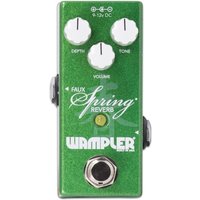
Reverb creates the dense pattern of reflections heard after sound enters a physical or imagined space. Room, hall, plate and spring models differ in reflection density, frequency decay and modulation, while ambient algorithms extend or transform the tail beyond natural acoustics. Decay, pre-delay, damping, diffusion and wet/dry balance define the apparent size, surface and distance of that space.
More Gear like this
Guitar pedals alter, route, control or support an instrument signal from the floor. The tag covers individual effects, multi-effects, switching, tuning, looping, amplification and pedalboard utilities. The product category and additional effect tags identify the specific job each pedal performs.
Mini guitars use a reduced body, scale length or overall format for younger players, travel or compact practice. They are not all the same size, so compare scale length, nut width, tuning, construction and whether the instrument is a true short-scale design or a smaller interpretation of a full-size model.
Reverb (short for reverberation) is an audio effect that simulates the natural reflections of sound in a physical space. When you play in a room, hall, or cathedral, the sound waves bounce off the walls, ceiling, and floor, creating a sense of depth and ambience. Reverb pedals and processors recreate this effect electronically, allowing guitarists and producers to shape how “big” or “live” their sound feels. From short, springy echoes that mimic vintage amp tanks to lush, atmospheric washes used in ambient or shoegaze music, reverb adds dimension and realism — turning a dry, flat tone into something immersive and expressive.