About the manufacturer
Behringer are known for making standout effects pedals and more. Founded with a passion for tone and innovation, their gear has shaped countless records and players’ sounds. Look out for their iconic designs and flagship models — they’ve earned a reputation for reliability and creativity.
More info about this Product
Guitar pedals are compact effects units that shape and enhance a guitar’s sound, sitting between the instrument and the amplifier. They include gain pedals like overdrive and distortion, modulation effects such as chorus and tremolo, time-based effects like delay and reverb, and essential utilities including tuners, compressors and loopers. Understanding basic things such as pedal type, signal order, power requirements and intended use helps players choose pedals that suit their style, setup and playing environment.
Multi-effects pedals combine several effect types, routing stages and often amplifier or cabinet modelling in one floor unit. Their usefulness depends on more than the number of sounds: preset organisation, footswitch layout, switching gaps, expression control, signal-path flexibility, audio quality, USB and MIDI support all affect how naturally the unit works in practice, recording or performance.
More Gear like this
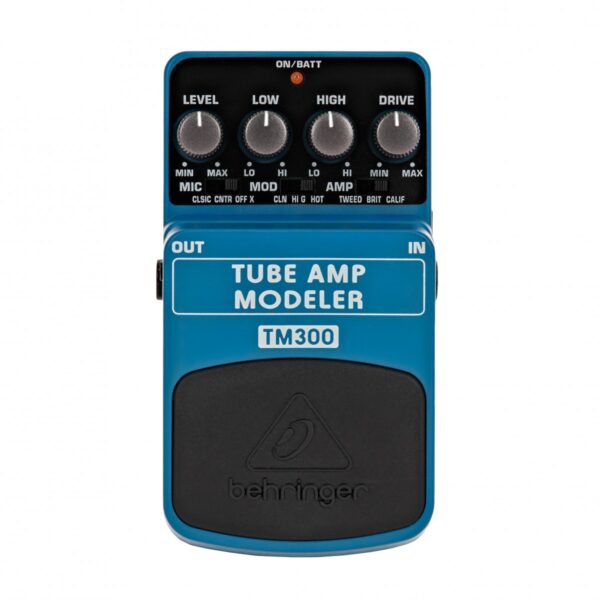
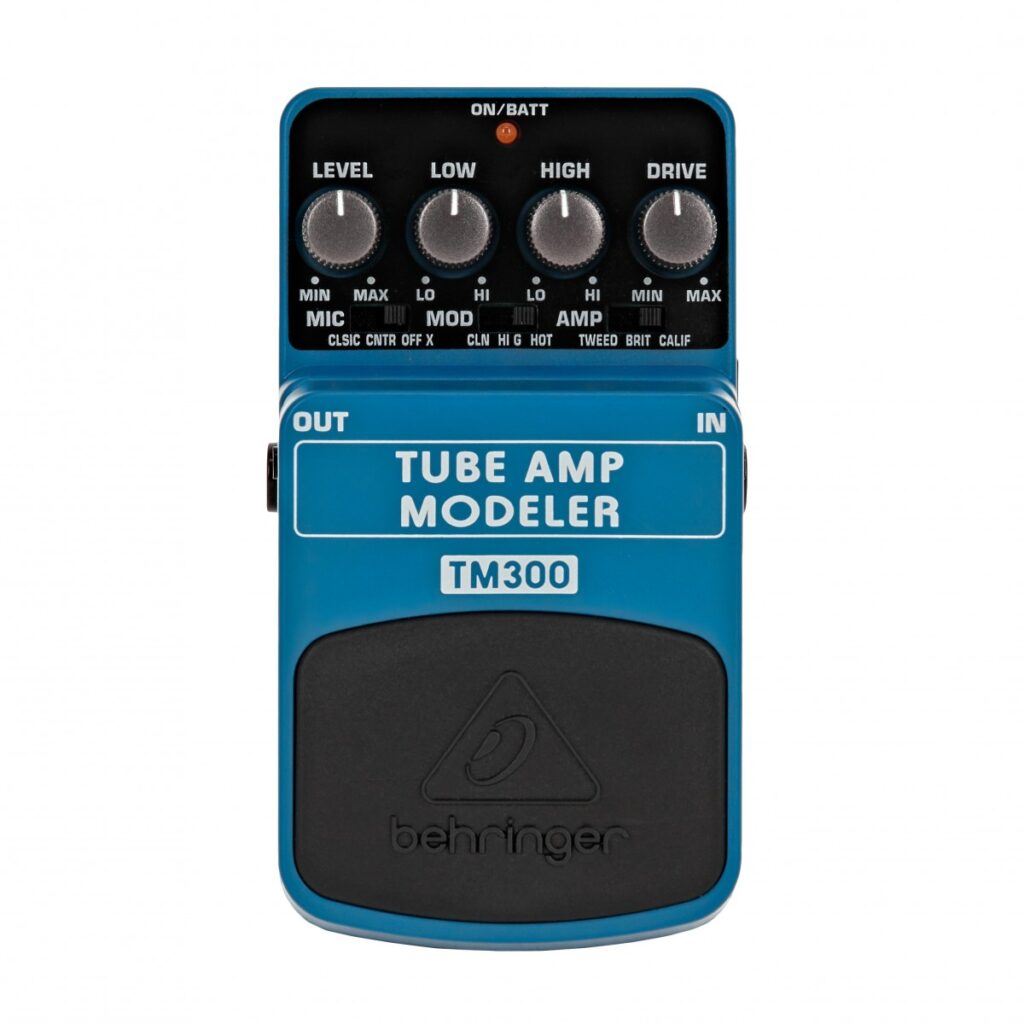
Recreates the gain structure, tone controls, compression and frequency response of a guitar or bass amplifier. The simulation may model only a preamp or extend through power-amp behaviour, allowing the result to range from clean amplification to dynamically responsive breakup.
Guitar pedals alter, route, control or support an instrument signal from the floor. The tag covers individual effects, multi-effects, switching, tuning, looping, amplification and pedalboard utilities. The product category and additional effect tags identify the specific job each pedal performs.
Valve amplifiers use vacuum tubes in part or all of the amplification path. Their response depends on circuit design, output stage, speaker load and operating level rather than valve technology alone. Compare power, channel structure, master volume, attenuation, speaker outputs and maintenance requirements.