About the manufacturer
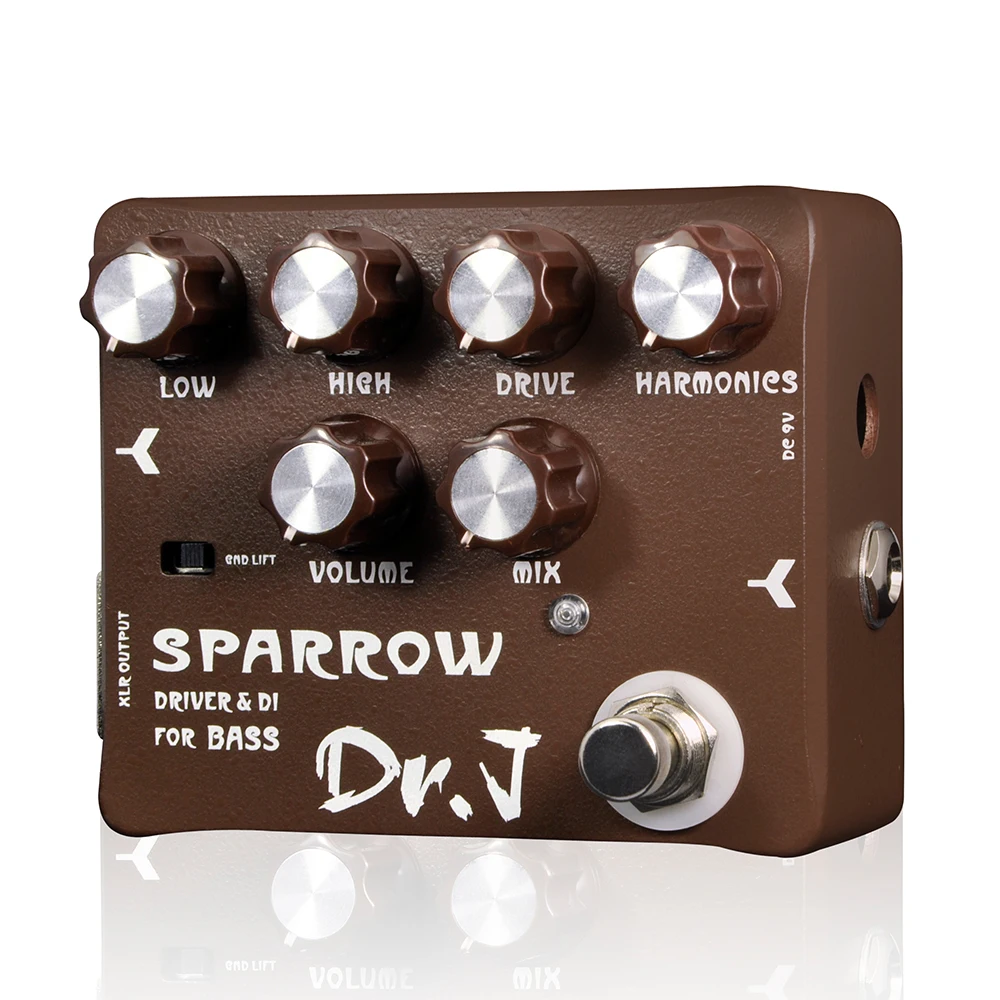
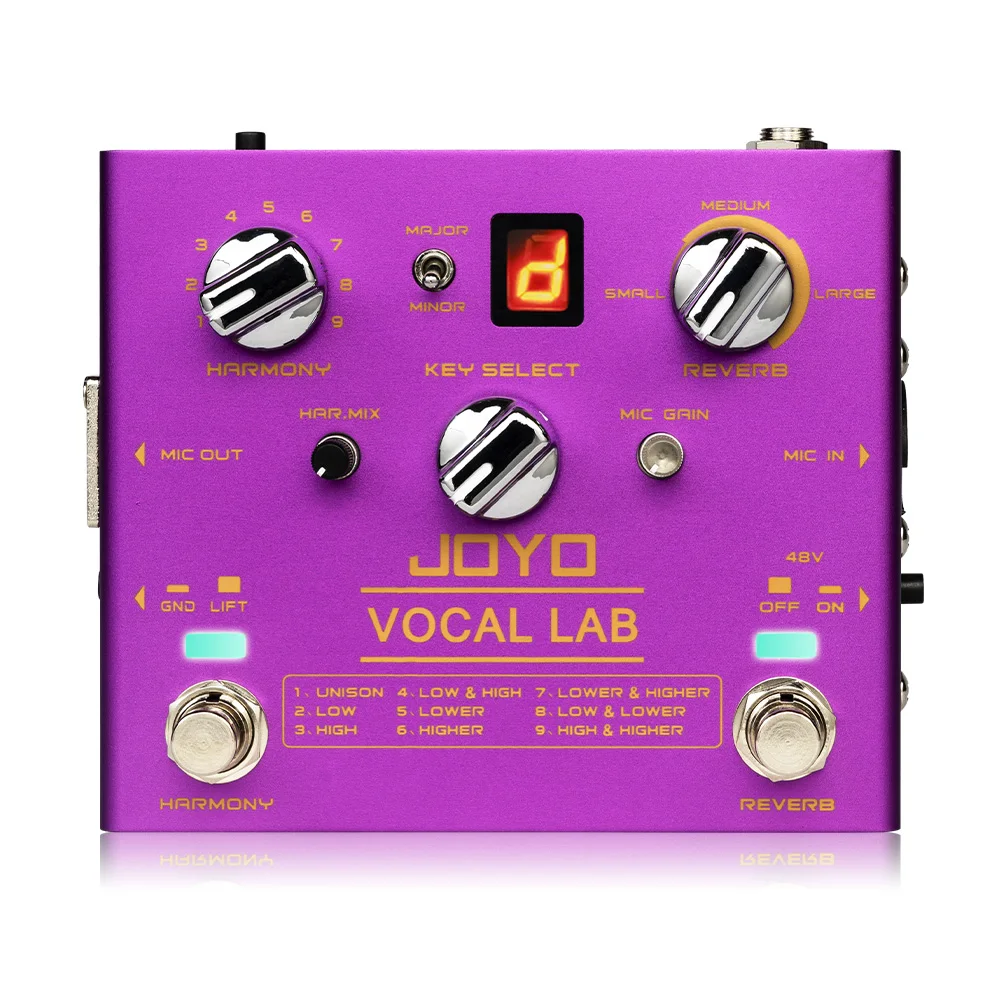
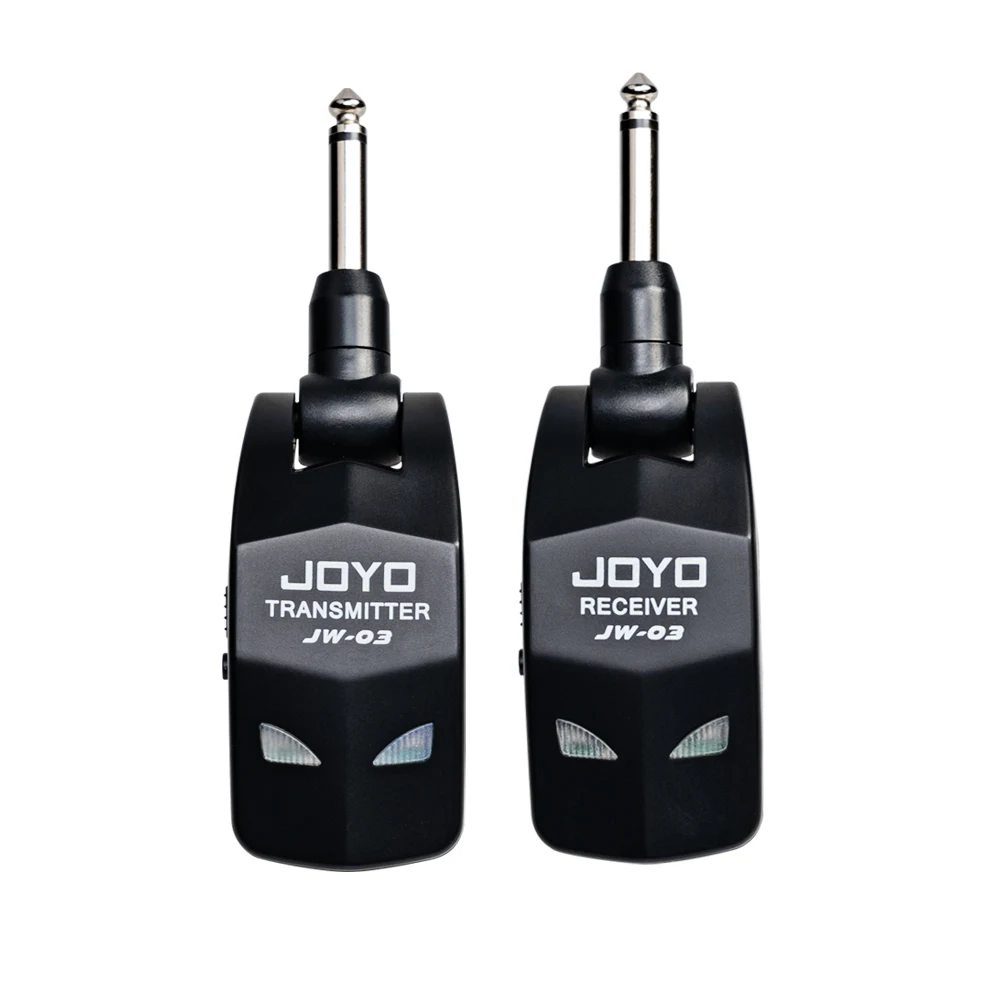
JOYO are a well-known brand in the guitar world, offering a wide range of effects pedals, amplifiers and accessories that deliver impressive performance at an accessible price. Built with players in mind, JOYO products are designed to give you the sounds you need without overcomplicating things, making them a popular choice for beginners and experienced musicians alike.
What makes JOYO stand out is just how good their gear is for the money. Their pedals cover everything from classic overdrive and distortion to modulation, delay and reverb, often inspired by legendary tones but with their own reliable twist. Solid construction, straightforward controls and consistent sound make them ideal for building a pedalboard that works in real-world playing situations.
JOYO products are simply great value — dependable, versatile and capable of producing tones that punch well above their price point. Whether you’re just starting out or expanding your setup, they offer a practical and affordable way to achieve great sound, and you will not be disappointed.
More info about this Product
Bass guitars form the backbone of a band’s sound, sitting between rhythm and harmony to give music depth, weight, and movement. Available in electric and acoustic forms, they focus on delivering strong, controlled low frequencies while remaining clear and responsive to playing dynamics. Factors like scale length, string type, and pickup design all influence tone and feel, allowing bass guitars to suit a wide range of styles and techniques. Whether laying down solid grooves or exploring more melodic lines, a good bass guitar anchors the music and brings everything together.
Explore electric, acoustic and bass guitars across a wide range of playing styles, body shapes and specifications. The most useful differences include scale length, construction, pickup type, neck profile, materials and whether the instrument is intended for amplified, acoustic or hybrid use. Use the narrower guitar categories and feature tags to compare instruments with similar designs rather than relying on appearance alone.
More Gear like this
Bass guitars are lower-pitched instruments designed to provide the rhythmic and harmonic foundation of a performance. Scale length, string count, pickup type, active or passive electronics and body construction influence feel, output and tonal range.
Overdrive pedals add warmth, grit, and natural compression to your tone, capturing the feel of a pushed tube amp. They respond dynamically to your playing, offering everything from a light bluesy crunch to full, saturated rock tones. Perfect for boosting solos or shaping your core sound, an overdrive pedal brings character and life to any setup. Whether you prefer vintage smoothness or modern bite, these pedals are essential for players who want expressive, touch-sensitive drive with plenty of personality.
Valve amplifiers use vacuum tubes in part or all of the amplification path. Their response depends on circuit design, output stage, speaker load and operating level rather than valve technology alone. Compare power, channel structure, master volume, attenuation, speaker outputs and maintenance requirements.