About the manufacturer
Sire has quickly earned a reputation for delivering high-quality instruments that combine professional performance with exceptional value. Best known for its collaboration with legendary bassist Marcus Miller, the brand focuses on precision engineering, smooth playability, and tonal versatility. Sire’s basses and guitars feature premium components like rolled fretboard edges, active preamps, and solid tonewoods that rival instruments costing far more. Designed to meet the needs of modern players across genres, Sire blends craftsmanship and innovation to make great tone accessible to everyone, from aspiring musicians to seasoned professionals seeking reliability without compromise.
More info about this Product
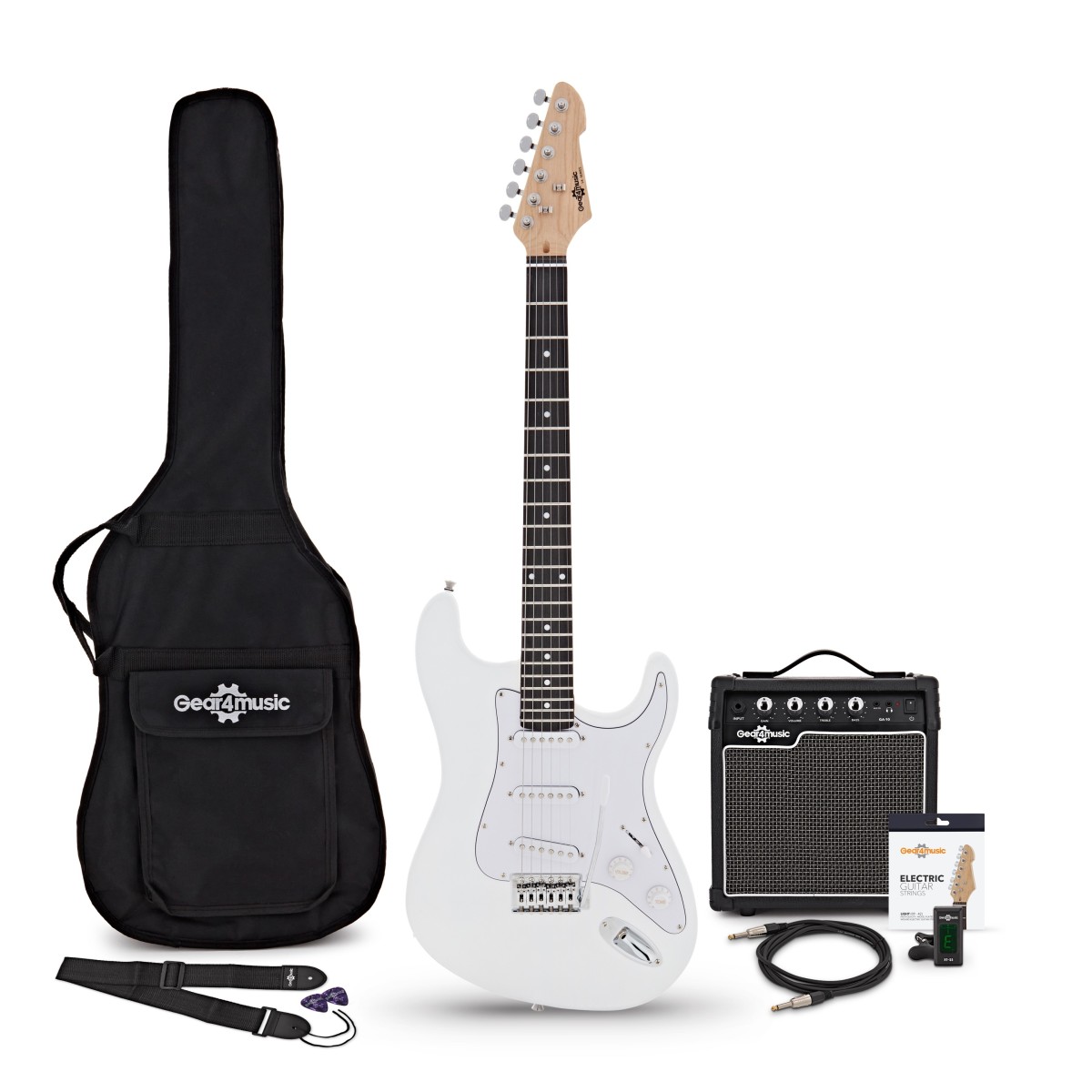
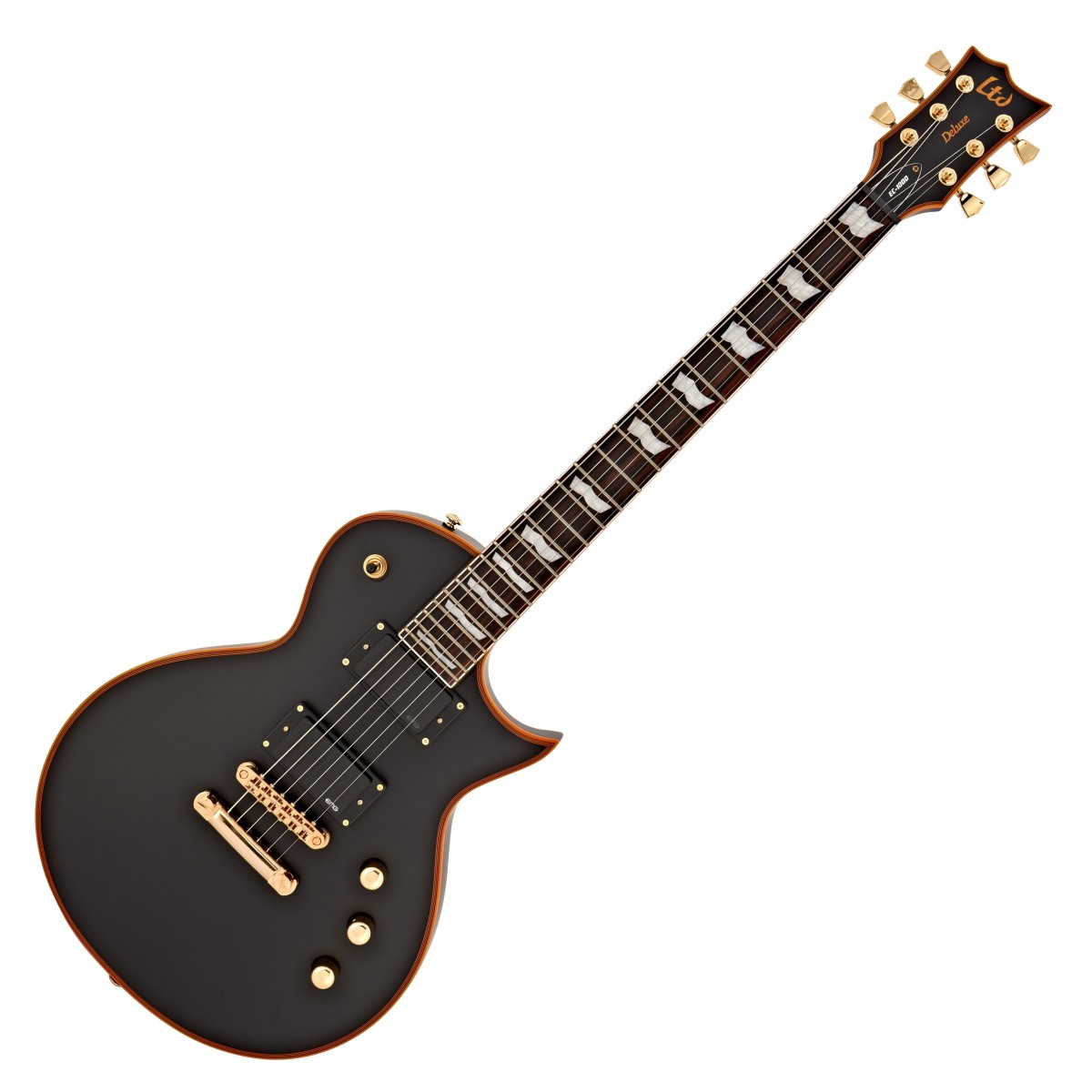
Electric guitars use magnetic pickups to convert string vibration into an electrical signal, allowing the sound to be shaped through amplifiers and effects. Key things to understand include body shape, pickup type, neck profile, scale length and bridge design, as these all affect tone, feel and sustain. They are used across almost every modern genre, from clean and expressive to high-gain and aggressive styles, making them one of the most versatile instruments available.
Guitars cover a wide range of instruments designed to suit different styles, techniques, and sounds, from acoustic and classical models to solid body, semi-hollow, and hollow electric designs. Factors like body shape, scale length, neck profile, string type, and pickups all influence how a guitar feels and responds, making each type suited to different players and musical approaches. Whether used for rhythm, lead, songwriting, or experimentation, guitars are expressive, versatile instruments that form the heart of countless genres and playing styles.
More Gear like this
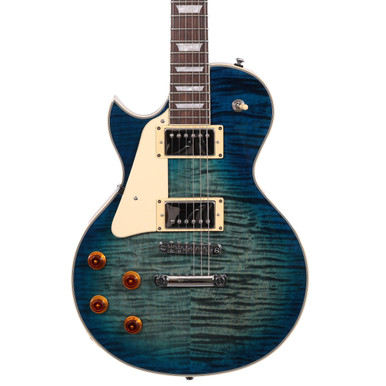
Left-handed guitars are built specifically for left-handed players, with the body shape, controls, and string orientation reversed to provide a natural and comfortable playing experience. Available across electric, acoustic, classical, and bass styles, they offer the same variety of tones, features, and build quality as right-handed models. Using a properly designed left-handed guitar helps with balance, technique, and confidence, allowing players to focus on developing their sound without having to adapt to an instrument that doesn’t suit the way they play.

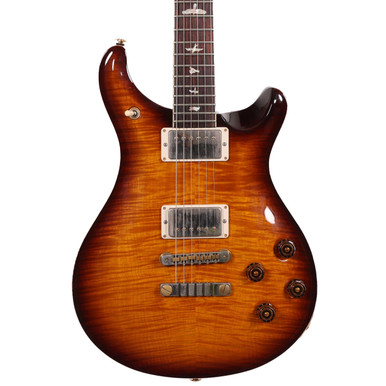 Second Hand PRS McCarty 594 10 Top Electric Guitar in McCarty Tobacco Burst 176
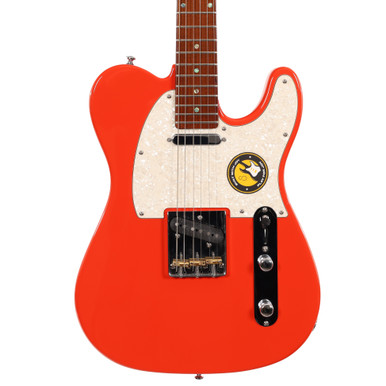 Second Hand Sire Larry Carlton T7 Electric Guitar in Fiesta Red 781
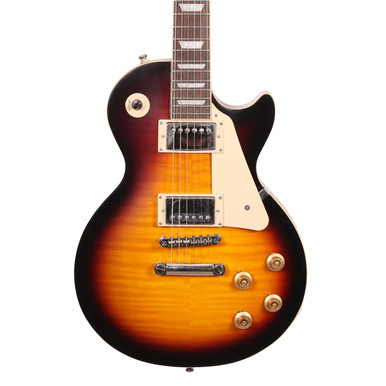 Second Hand Epiphone Limited Edition Les Paul 1959 Electric Guitar in Bourbon Burst 726
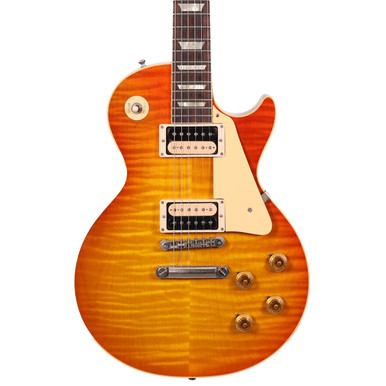 Second Hand Gibson Custom Shop R9 Les Paul Electric Guitar in Washed Cherry Burst 635
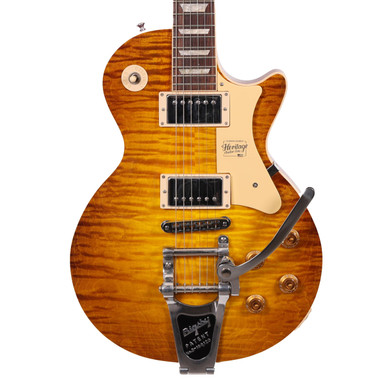 Second Hand Heritage H-150 Hollowbody Electric Guitar with Bigsby in Honey Burst 873