About the manufacturer
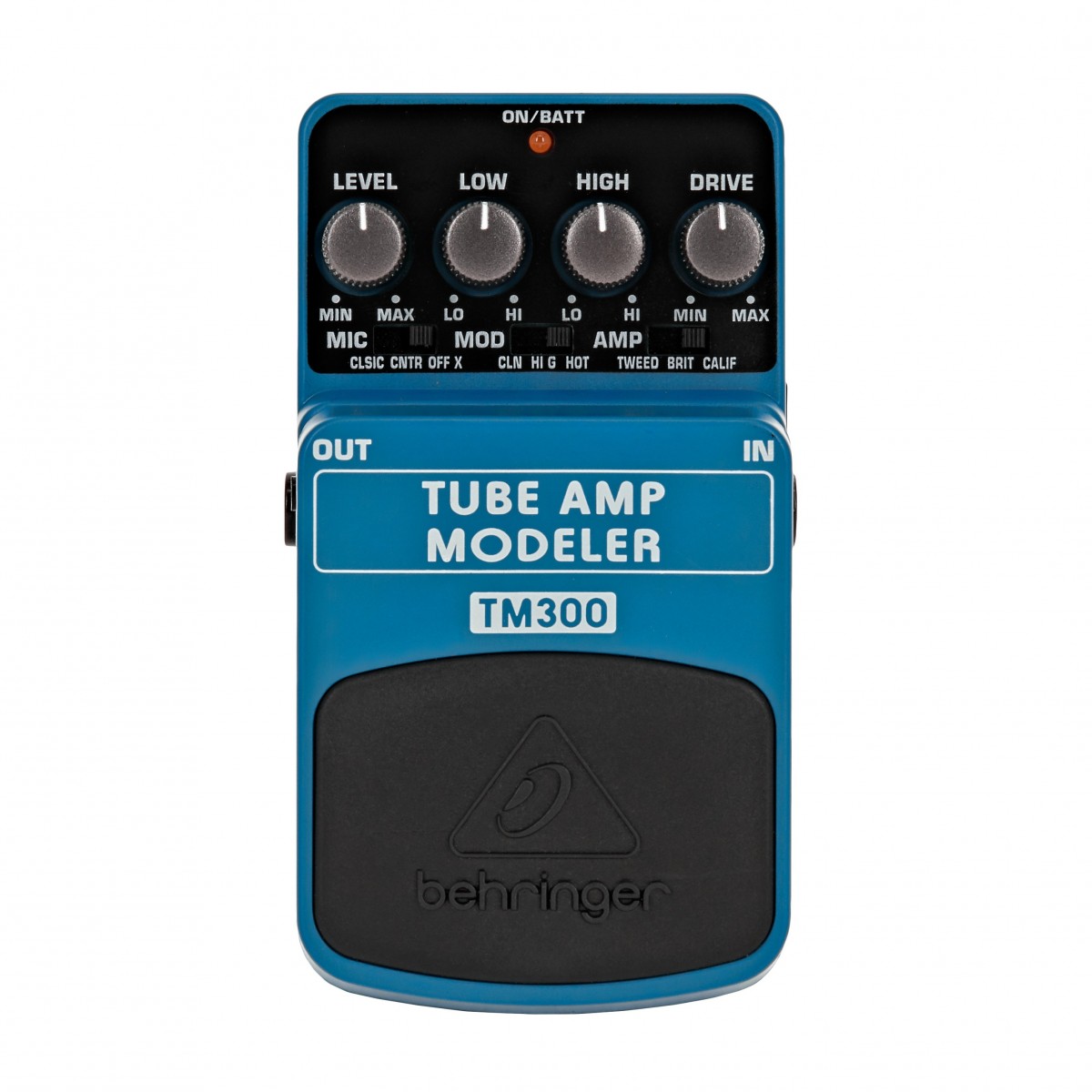
Behringer are known for making standout effects pedals and more. Founded with a passion for tone and innovation, their gear has shaped countless records and players’ sounds. Look out for their iconic designs and flagship models — they’ve earned a reputation for reliability and creativity.
More info about this Product
Electric guitars use magnetic pickups to convert string vibration into an electrical signal, allowing the sound to be shaped through amplifiers and effects. Key things to understand include body shape, pickup type, neck profile, scale length and bridge design, as these all affect tone, feel and sustain. They are used across almost every modern genre, from clean and expressive to high-gain and aggressive styles, making them one of the most versatile instruments available.
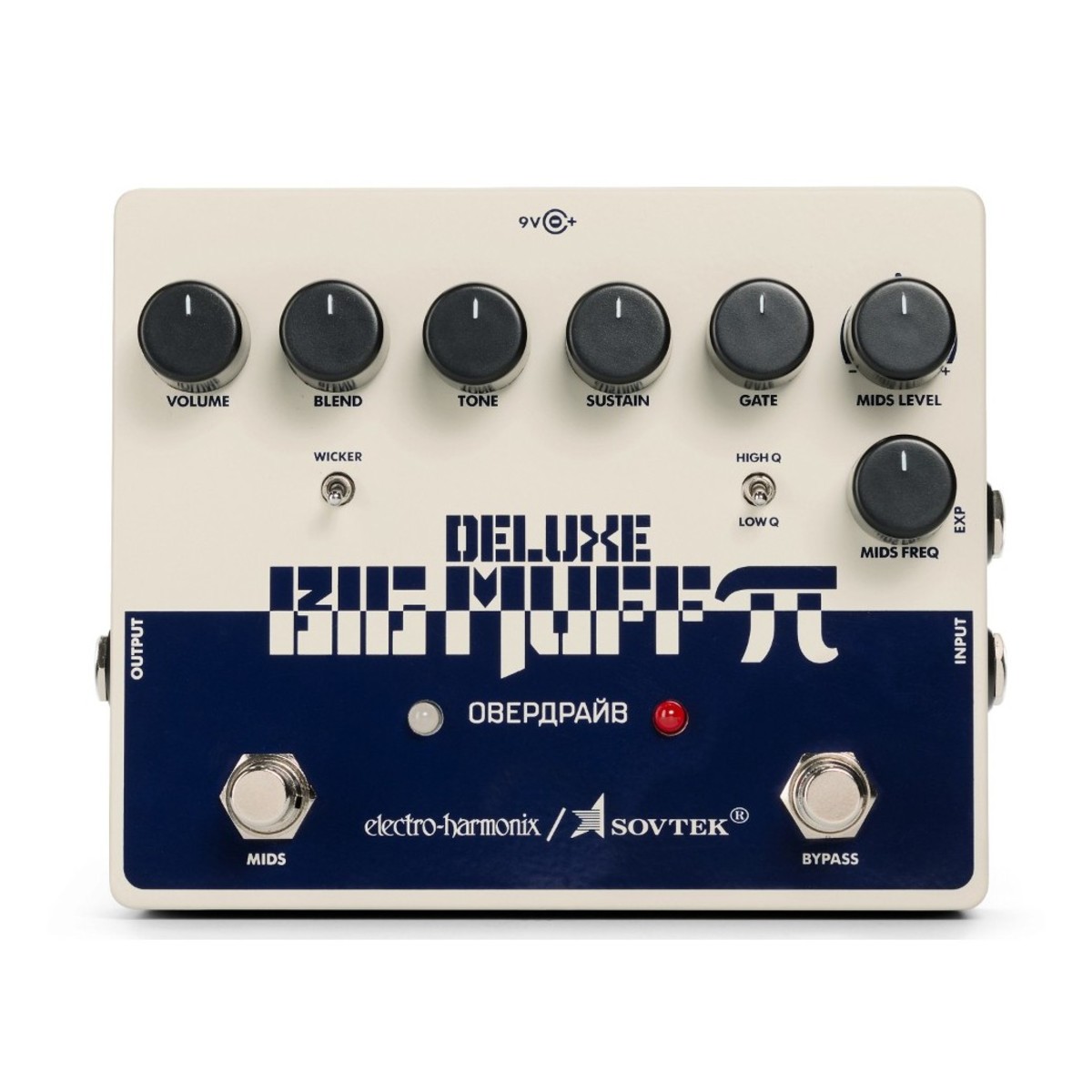
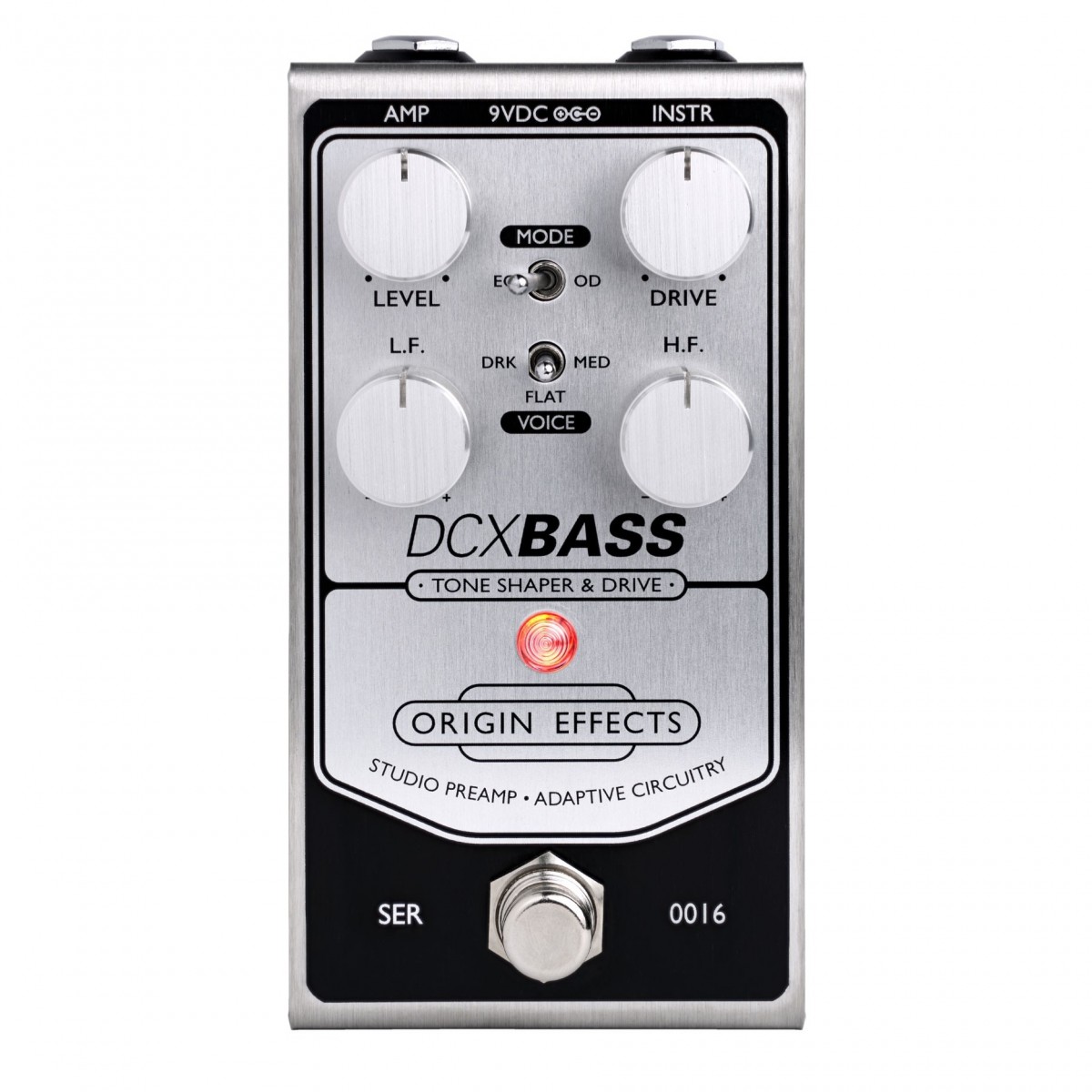
Guitar pedals are compact effects units that shape and enhance a guitar’s sound, sitting between the instrument and the amplifier. They include gain pedals like overdrive and distortion, modulation effects such as chorus and tremolo, time-based effects like delay and reverb, and essential utilities including tuners, compressors and loopers. Understanding basic things such as pedal type, signal order, power requirements and intended use helps players choose pedals that suit their style, setup and playing environment.
Guitars cover a wide range of instruments designed to suit different styles, techniques, and sounds, from acoustic and classical models to solid body, semi-hollow, and hollow electric designs. Factors like body shape, scale length, neck profile, string type, and pickups all influence how a guitar feels and responds, making each type suited to different players and musical approaches. Whether used for rhythm, lead, songwriting, or experimentation, guitars are expressive, versatile instruments that form the heart of countless genres and playing styles.
More Gear like this
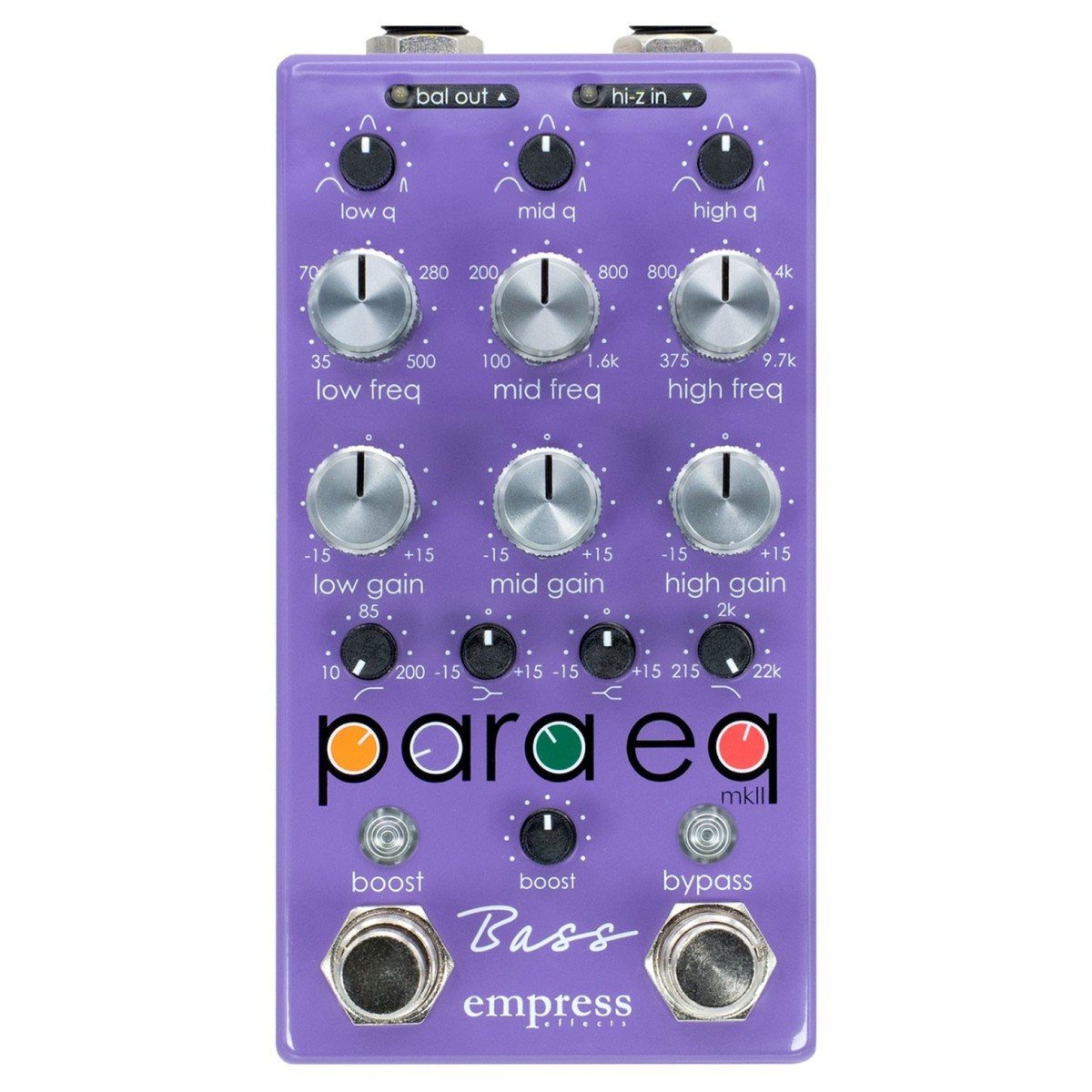
EQ, or equalisation, is used to shape the tonal balance of a sound by boosting or cutting specific frequency ranges. Common controls include bass, mid, and treble, or more detailed bands that allow precise adjustment of problem areas or tonal character.
EQ is an essential tool in guitar rigs, recording, and live sound, helping instruments sit properly in a mix and sound clear without unwanted harshness or muddiness. It can be used subtly to refine tone or more aggressively to dramatically reshape a sound.