About the manufacturer
Dunlop is a cornerstone of the music industry, best known for its high-quality accessories and effects that have shaped the sound of countless musicians. Founded by Jim Dunlop in California in the 1960s, the brand’s range spans iconic Cry Baby wah pedals, Tortex guitar picks, and dependable capos, slides, and strings. Dunlop products are celebrated for their durability, innovation, and musician-focused design, trusted by players across every genre. Whether on stage or in the studio, Dunlop’s gear delivers reliability and tone-shaping precision that has made it an essential name for guitarists and bassists worldwide.
More info about this Product
Guitar pedals are compact effects units that shape and enhance a guitar’s sound, sitting between the instrument and the amplifier. They include gain pedals like overdrive and distortion, modulation effects such as chorus and tremolo, time-based effects like delay and reverb, and essential utilities including tuners, compressors and loopers. Understanding basic things such as pedal type, signal order, power requirements and intended use helps players choose pedals that suit their style, setup and playing environment.
More Gear like this
Pedals are the tools that let you shape, colour and transform your sound, from subtle tone enhancement to bold, creative effects. Whether you are adding grit, space, movement or control, a pedal becomes part of your playing rather than just an add-on. Exploring different pedals is about discovering what responds to your touch and helps your sound feel more like your own.
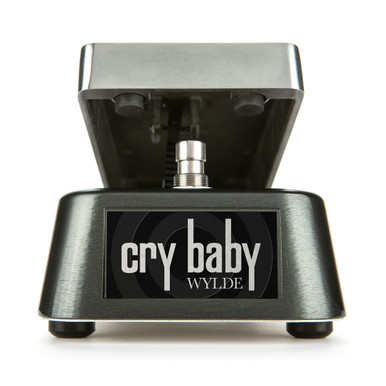
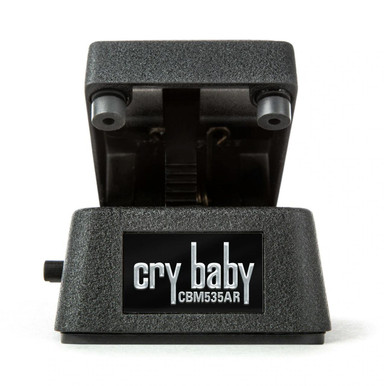
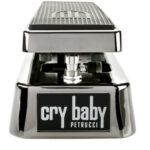
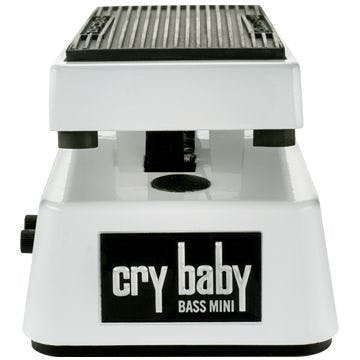
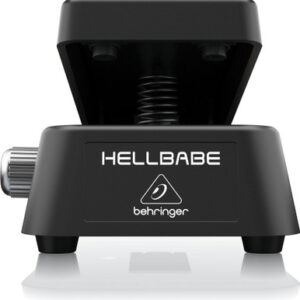
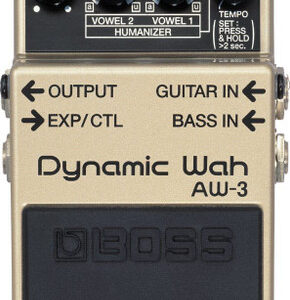
Wah pedals are all about expression. By rocking the foot pedal back and forth, you sweep through frequencies to create that classic vocal-like “wah-wah” sound. From funk to rock solos, the wah adds movement, personality, and attitude to your tone. Think Hendrix, Clapton, or Slash — each used a wah to make their guitar sing. Whether you prefer a classic Cry Baby or a modern auto-wah, this effect remains one of the most recognisable sounds in guitar history.