Description
Here's What Electro Harmonix say:
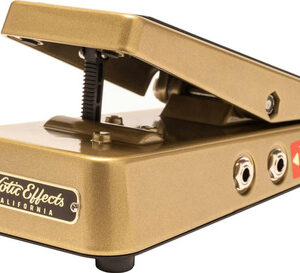
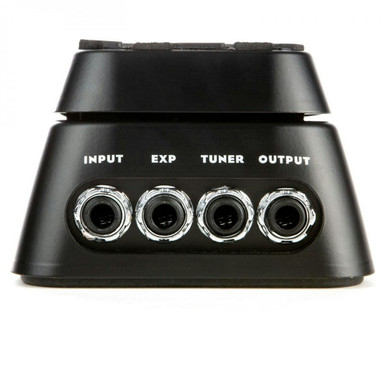
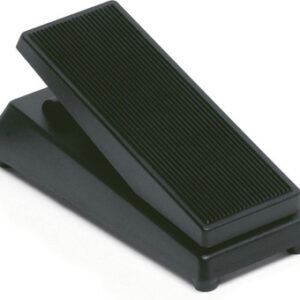
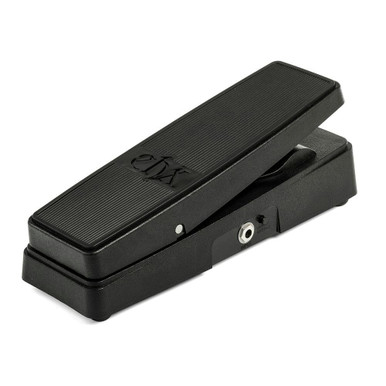
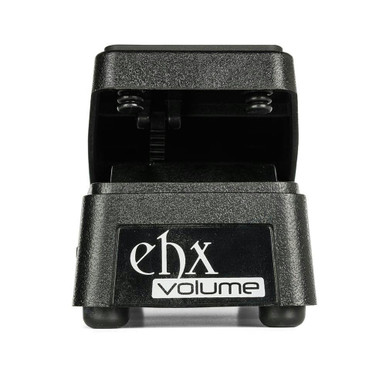
The EHX Volume Pedal is rugged and road-worthy while featuring a light-weight design that provides smooth, comfortable action for precise control of your dynamics in any setting. Two impedance options (25K or 250K) in one ultra-responsive pedal for added versatility.
Features
- Attenuate your signal anywhere in your signal chain
- Ultra-smooth and precise action
- Selectable high and low impedance switch for universal compatibility
- Passive, so no power is required
- Weight-saving design which gigging pedalboard users will appreciate
- No power required
Specifications
- Circuit: Analog
- Bypass: True Bypass
- Audio: Mono
- Dimensions (in): 9.92 x 3.4 x 3.0
Related Stuff :
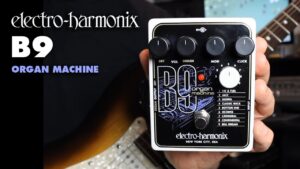 Guitar Effect Pedal TV – Electro-Harmonix B9 Organ Machine (EHX Pedal Demo by Bill Ruppert)
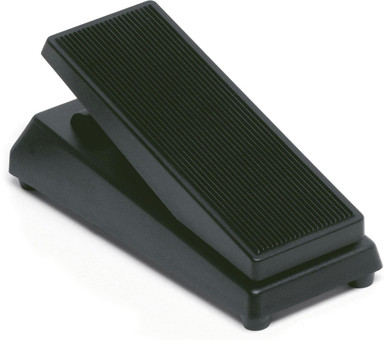 Studiologic VP/25 Volume Pedal
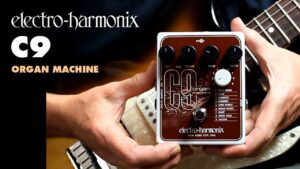 Guitar Effect Pedal TV – Electro-Harmonix C9 Organ Machine (EHX Pedal Demo by Bill Ruppert)
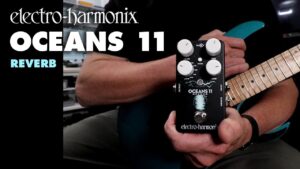 Guitar Effect Pedal TV – Electro-Harmonix Oceans 11 Reverb Pedal (Demo by Bill Ruppert)
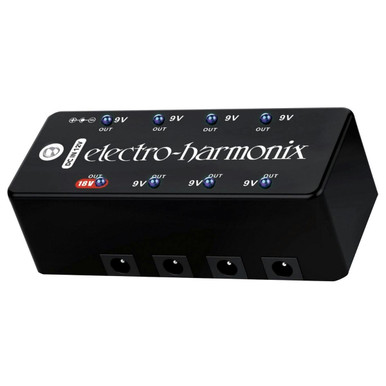 Electro Harmonix S8 Multi-Output Pedal Power Supply


![[Professional capo]The guitar capo is 3.2×3.1inch/82×78mm in dimension,specially designed for 6-string instrucments like acoustic guitar,electric guitar, bass, ukulele and banjo [One-Handed use]Based on the leverage princple to made,with labor saving...](https://m.media-amazon.com/images/I/51aLmMsS3KL._SL195_.jpg)