About the manufacturer
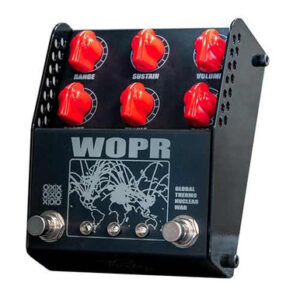
Mr Black is a boutique effects brand known for creating pedals with a strong focus on atmosphere, texture, and musical character. Their designs often explore reverb, delay, modulation, and drive in a way that feels expressive and inspiring rather than overly clinical. Mr Black pedals are appreciated for their build quality, distinctive voicing, and ability to add depth and movement to a player’s sound, making them popular with musicians who value mood, space, and creative tone shaping.
More info about this Product
Guitar pedals are compact effects units that shape and enhance a guitar’s sound, sitting between the instrument and the amplifier. They include gain pedals like overdrive and distortion, modulation effects such as chorus and tremolo, time-based effects like delay and reverb, and essential utilities including tuners, compressors and loopers. Understanding basic things such as pedal type, signal order, power requirements and intended use helps players choose pedals that suit their style, setup and playing environment.
More Gear like this
Black instruments and gear offer a timeless, understated look that fits almost any style of music or setup. Whether it’s a guitar, pedal or accessory, a black finish is often chosen for its clean appearance, practicality and stage-ready feel. If you prefer gear that looks focused, professional and never goes out of fashion, black options deliver a classic aesthetic with no distractions.
Pedals are the tools that let you shape, colour and transform your sound, from subtle tone enhancement to bold, creative effects. Whether you are adding grit, space, movement or control, a pedal becomes part of your playing rather than just an add-on. Exploring different pedals is about discovering what responds to your touch and helps your sound feel more like your own.
Reverb (short for reverberation) is an audio effect that simulates the natural reflections of sound in a physical space. When you play in a room, hall, or cathedral, the sound waves bounce off the walls, ceiling, and floor, creating a sense of depth and ambience. Reverb pedals and processors recreate this effect electronically, allowing guitarists and producers to shape how “big” or “live” their sound feels. From short, springy echoes that mimic vintage amp tanks to lush, atmospheric washes used in ambient or shoegaze music, reverb adds dimension and realism — turning a dry, flat tone into something immersive and expressive.
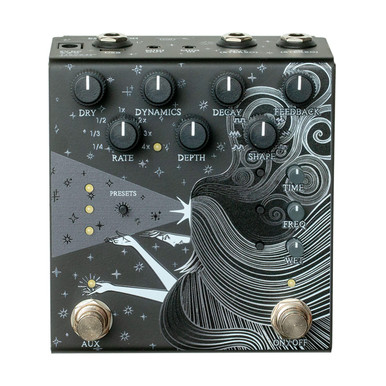 Old Blood Noise Endeavors Sunlight Stereo Modulated Reverb Pedal in Black
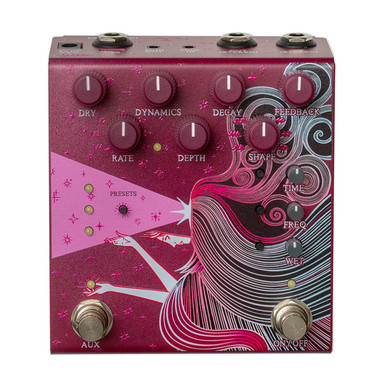 Old Blood Noise Endeavors Sunlight Stereo Modulated Reverb Pedal in Maroon
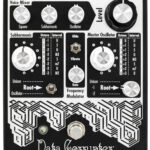 EarthQuaker Devices Data Corrupter Modulated Harmonizer
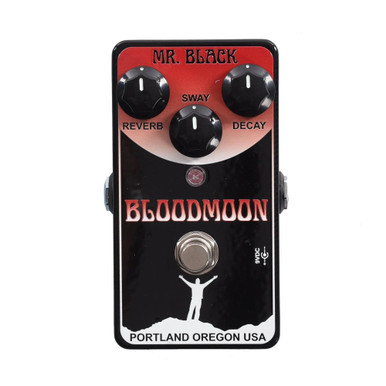
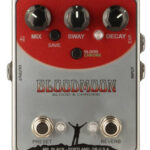 Mr. Black BloodMoon Blood and Chrome Dual Modulated Reverb Pedal
 Old Blood Noise Endeavors Sunlight Stereo Modulated Reverb Pedal in Yellow


![[Professional capo]The guitar capo is 3.2×3.1inch/82×78mm in dimension,specially designed for 6-string instrucments like acoustic guitar,electric guitar, bass, ukulele and banjo [One-Handed use]Based on the leverage princple to made,with labor saving...](https://m.media-amazon.com/images/I/51aLmMsS3KL._SL195_.jpg)