About the manufacturer
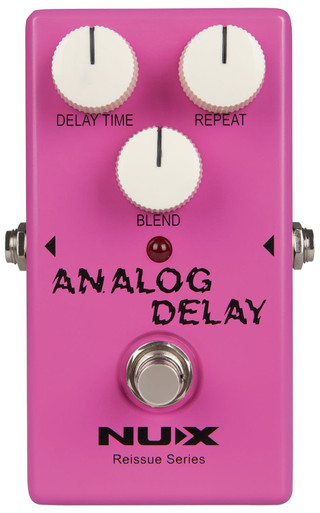
NUX are known for making standout effects pedals and more. Founded with a passion for tone and innovation, their gear has shaped countless records and players’ sounds. Look out for their iconic designs and flagship models — they’ve earned a reputation for reliability and creativity.
More info about this Product
Guitar pedals are compact effects units that shape and enhance a guitar’s sound, sitting between the instrument and the amplifier. They include gain pedals like overdrive and distortion, modulation effects such as chorus and tremolo, time-based effects like delay and reverb, and essential utilities including tuners, compressors and loopers. Understanding basic things such as pedal type, signal order, power requirements and intended use helps players choose pedals that suit their style, setup and playing environment.
More Gear like this
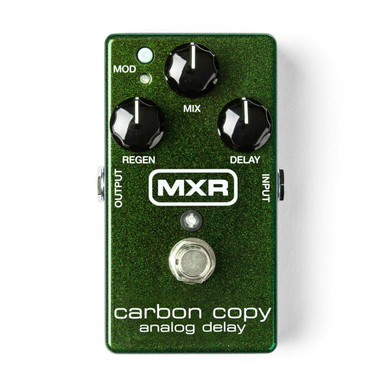
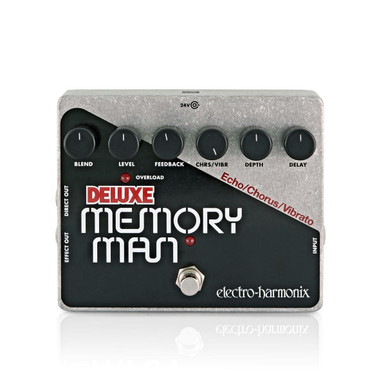
Analog effects use traditional electronic circuits rather than digital processing to shape the guitar signal. They are valued for their warm, natural sound, smooth response, and organic character, making them a popular choice for players who prefer classic tones and a more immediate playing feel.
Delay is an effect that records the guitar signal and plays it back after a short period of time, creating an echo or repeat. By adjusting the time, feedback, and level, delay can add subtle depth and space or produce rhythmic, expressive repeats that enhance lead lines, ambient textures, and overall atmosphere.
Pedals are the tools that let you shape, colour and transform your sound, from subtle tone enhancement to bold, creative effects. Whether you are adding grit, space, movement or control, a pedal becomes part of your playing rather than just an add-on. Exploring different pedals is about discovering what responds to your touch and helps your sound feel more like your own.
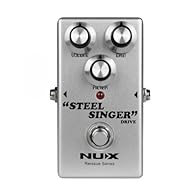
Reissue models are modern recreations of classic instruments or equipment based on original vintage designs. They are built to capture the sound, look, and feel of earlier models while benefiting from contemporary manufacturing and reliability.
Reissues appeal to players who want authentic vintage character without the cost, maintenance, or rarity of original examples. They are commonly produced with period-correct specifications, materials, and finishes, making them a practical way to access classic tones and designs.