More info about this Product
Guitar pedals are compact effects units that shape and enhance a guitar’s sound, sitting between the instrument and the amplifier. They include gain pedals like overdrive and distortion, modulation effects such as chorus and tremolo, time-based effects like delay and reverb, and essential utilities including tuners, compressors and loopers. Understanding basic things such as pedal type, signal order, power requirements and intended use helps players choose pedals that suit their style, setup and playing environment.
More Gear like this
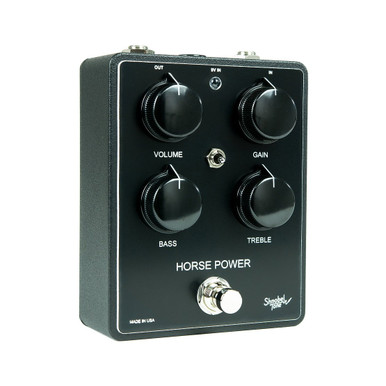
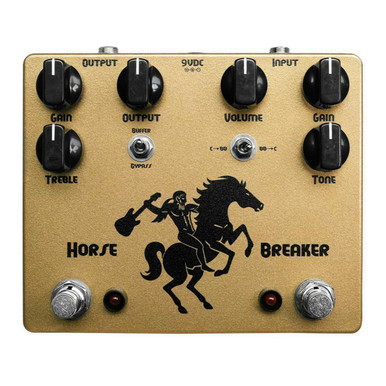
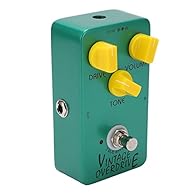
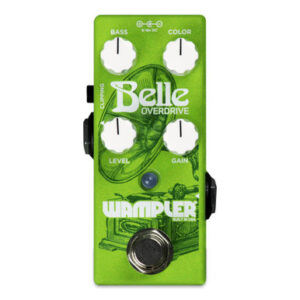
Overdrive pedals add warmth, grit, and natural compression to your tone, capturing the feel of a pushed tube amp. They respond dynamically to your playing, offering everything from a light bluesy crunch to full, saturated rock tones. Perfect for boosting solos or shaping your core sound, an overdrive pedal brings character and life to any setup. Whether you prefer vintage smoothness or modern bite, these pedals are essential for players who want expressive, touch-sensitive drive with plenty of personality.
Pedals are the tools that let you shape, colour and transform your sound, from subtle tone enhancement to bold, creative effects. Whether you are adding grit, space, movement or control, a pedal becomes part of your playing rather than just an add-on. Exploring different pedals is about discovering what responds to your touch and helps your sound feel more like your own.
Power is what drives your tone, giving your setup the energy and volume it needs to perform at its best. Whether it’s the wattage of your amp, the output of your pickups, or the reliability of your pedal power supply, every part of your rig depends on clean, consistent energy. The right power setup ensures your sound stays clear, strong, and noise-free, whether you’re on stage or in the studio. From compact adapters to multi-output supplies, reliable power keeps your gear running smoothly so you can focus entirely on playing.