About the manufacturer
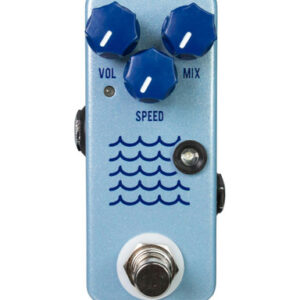
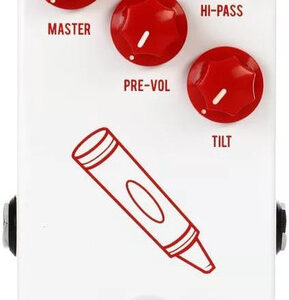
JHS is a boutique effects brand known as JHS Pedals, recognised for producing reliable, great-sounding pedals that range from simple, classic designs to more experimental and feature-rich effects. Their pedals often focus on clarity, musical usability and thoughtful circuit design, making them popular with players across many genres. Understanding pedal purpose, control layout and how JHS pedals interact with amps and other effects helps players get the most from them on both pedalboards and in the studio.
More info about this Product
Guitar pedals are compact effects units that shape and enhance a guitar’s sound, sitting between the instrument and the amplifier. They include gain pedals like overdrive and distortion, modulation effects such as chorus and tremolo, time-based effects like delay and reverb, and essential utilities including tuners, compressors and loopers. Understanding basic things such as pedal type, signal order, power requirements and intended use helps players choose pedals that suit their style, setup and playing environment.
More Gear like this
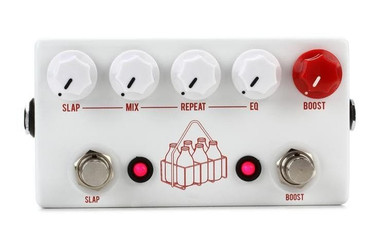
Delay is an effect that records the guitar signal and plays it back after a short period of time, creating an echo or repeat. By adjusting the time, feedback, and level, delay can add subtle depth and space or produce rhythmic, expressive repeats that enhance lead lines, ambient textures, and overall atmosphere.
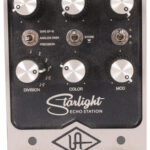
Echo is a time-based effect that repeats a sound after a set delay, creating distinct reflections that fade away over time. Unlike reverb, which blends reflections together, echo produces clearly defined repeats that can range from a single slapback to long, rhythmic delays.
It is widely used on guitar, vocals, and instruments to add depth, space, and rhythmic interest. Echo has strong associations with vintage tape units and early studio effects, but it remains a fundamental sound-shaping tool across rock, ambient, dub, and modern music styles.
Pedals are compact effects units placed between a guitar and an amplifier to shape, enhance, or transform your sound. They cover everything from drive and distortion to modulation, delay, reverb, and dynamics, allowing players to build a personalised tone and respond creatively to different musical styles and playing situations.
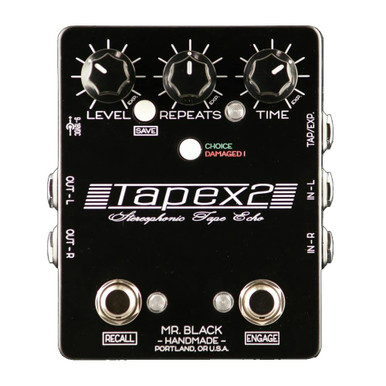
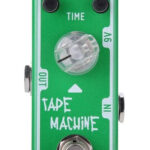
Tape refers to effects and recording techniques based on analogue magnetic tape machines, known for their warm, slightly compressed, and organic sound. Tape-based effects often introduce subtle saturation, natural roll-off in the high frequencies, and gentle modulation that adds character and depth.
In guitar and studio gear, tape is most commonly associated with echo and delay effects, where the repeats have a soft, evolving quality. Tape-style sounds are valued for their musical imperfections and vintage feel, and are widely used in rock, ambient, dub, and experimental music.

![☑️[2-in-1 Pedal] The 2-in-1 Revecho pedal seamlessly integrates meticulously chosen delay and reverb effects, offering musicians a powerful combination of tonal possibilities in a single, compact pedal. ☑️[Instant Precision Control] Adjustable effect...](https://m.media-amazon.com/images/I/4163vKreonL._SL195_.jpg)