About the manufacturer
Hartwood is a modern guitar brand known for combining classic inspiration with contemporary design at an affordable price. Created by Gear4music, Hartwood offers a wide range of electric, acoustic, and semi-hollow guitars that balance vintage style with modern playability. Their instruments are praised for comfortable neck profiles, quality tonewoods, and reliable hardware, making them ideal for both beginners and experienced players looking for great value. With a focus on tone, aesthetics, and practicality, Hartwood guitars capture the spirit of traditional craftsmanship while offering musicians an accessible route into expressive, well-built instruments.
More info about this Product
Electric guitars use magnetic pickups to convert string vibration into an electrical signal, allowing the sound to be shaped through amplifiers and effects. Key things to understand include body shape, pickup type, neck profile, scale length and bridge design, as these all affect tone, feel and sustain. They are used across almost every modern genre, from clean and expressive to high-gain and aggressive styles, making them one of the most versatile instruments available.
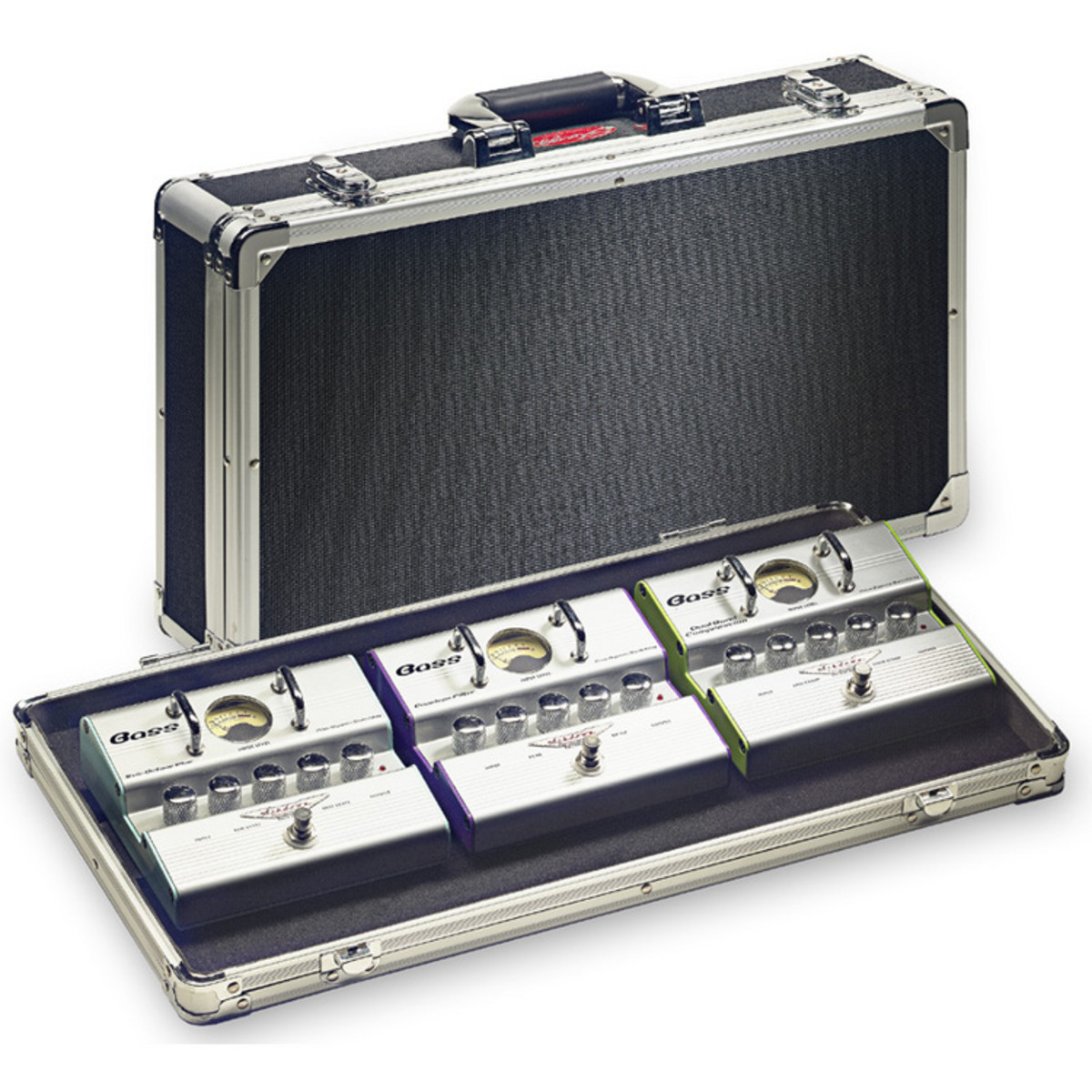
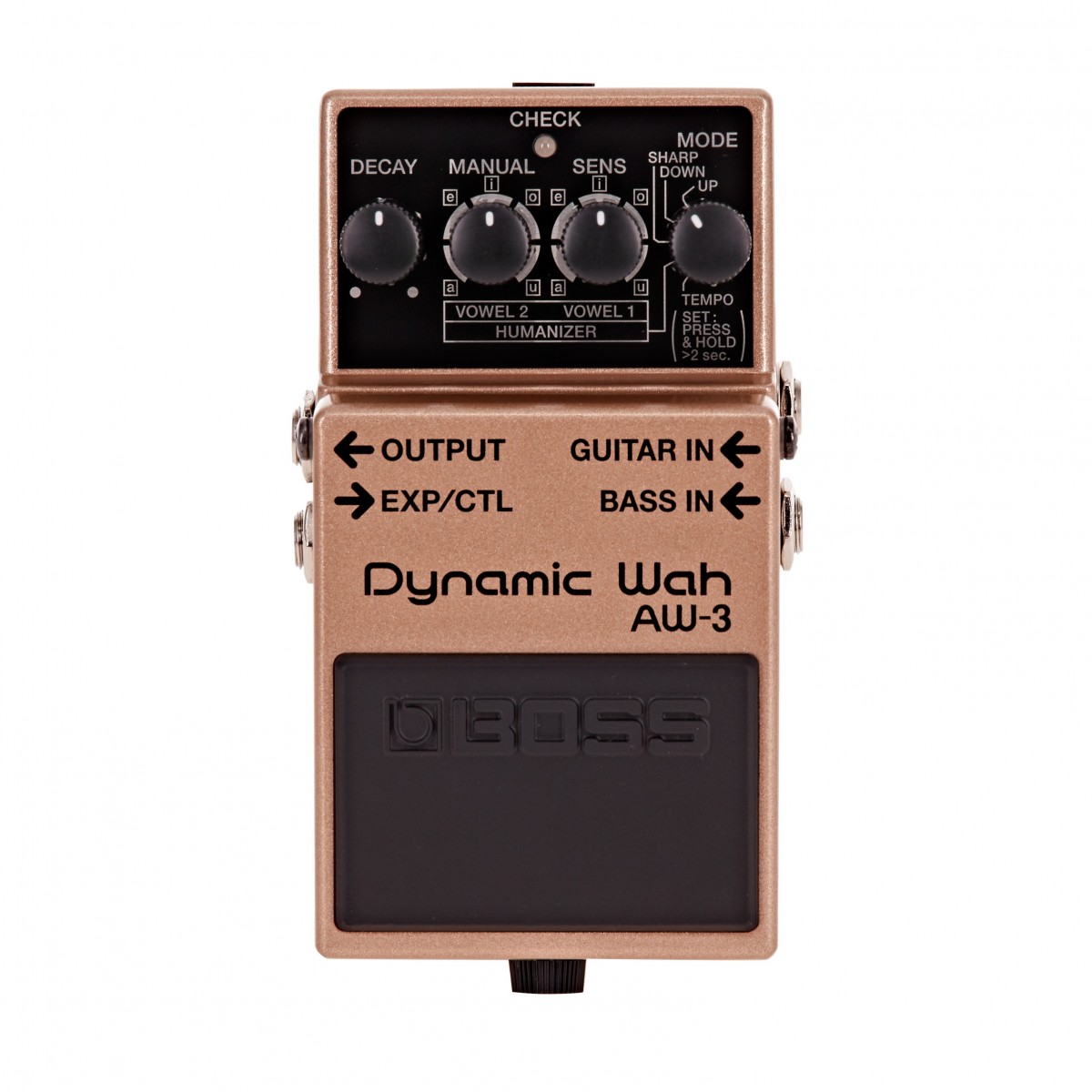
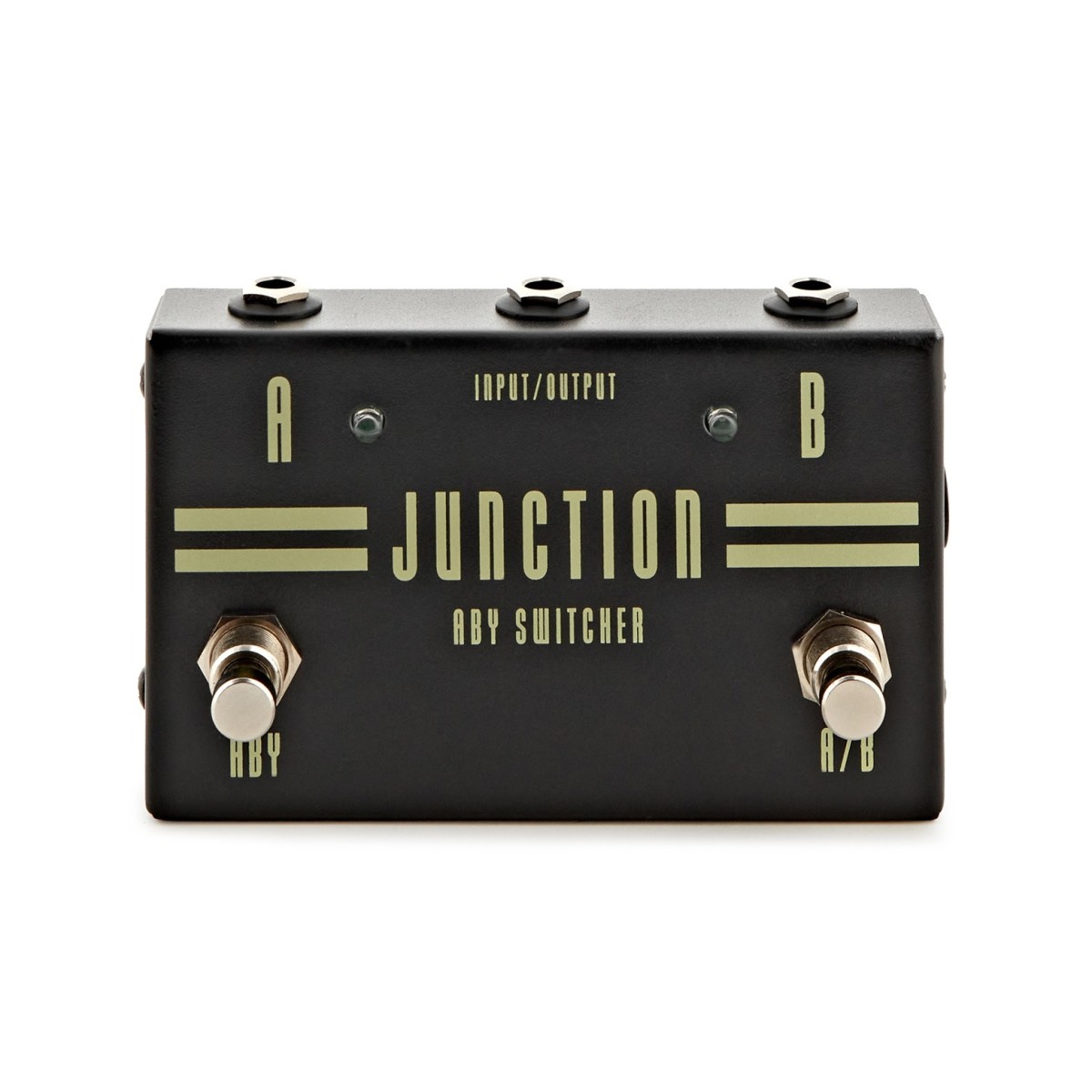
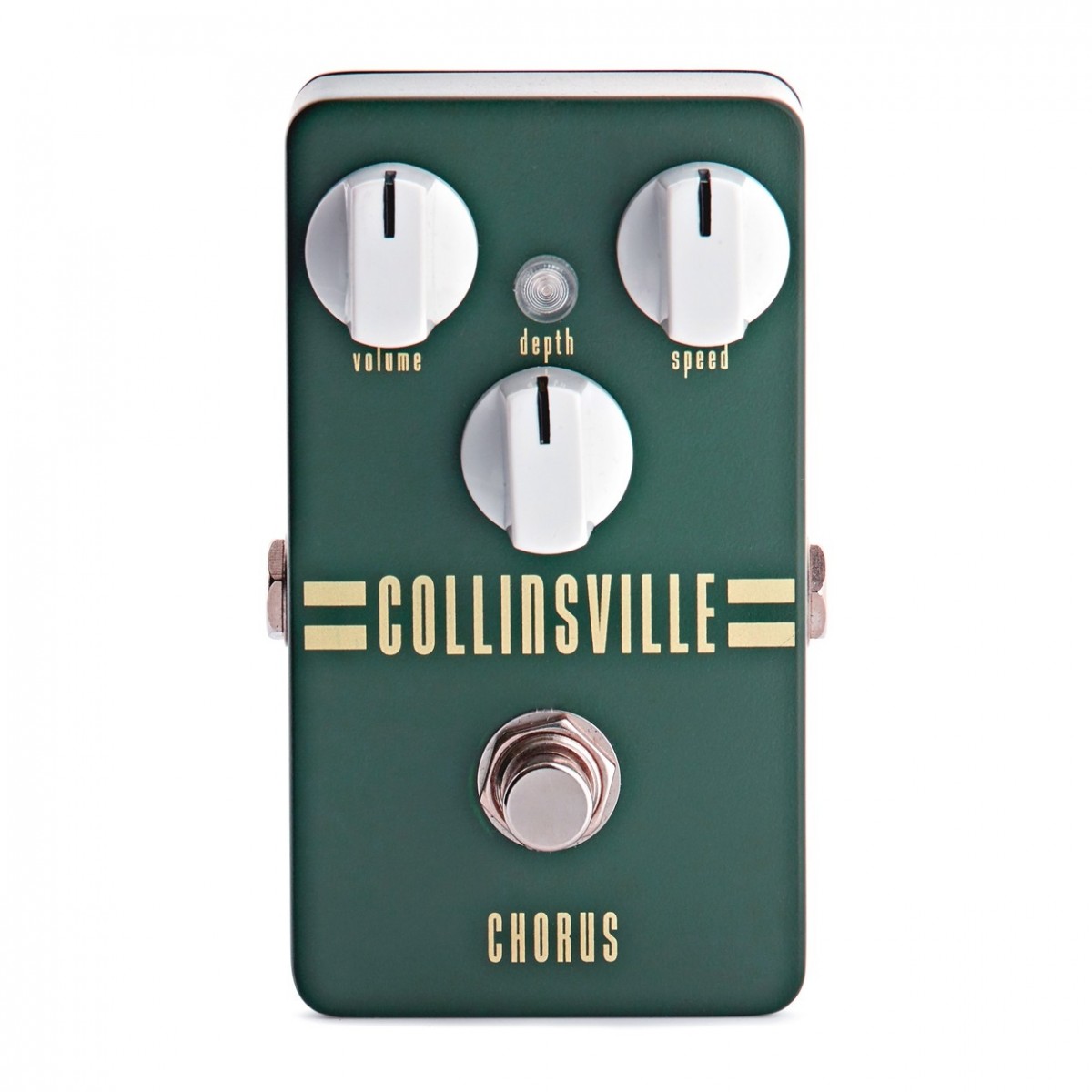
Guitar pedals are compact effects units that shape and enhance a guitar’s sound, sitting between the instrument and the amplifier. They include gain pedals like overdrive and distortion, modulation effects such as chorus and tremolo, time-based effects like delay and reverb, and essential utilities including tuners, compressors and loopers. Understanding basic things such as pedal type, signal order, power requirements and intended use helps players choose pedals that suit their style, setup and playing environment.
Guitars cover a wide range of instruments designed to suit different styles, techniques, and sounds, from acoustic and classical models to solid body, semi-hollow, and hollow electric designs. Factors like body shape, scale length, neck profile, string type, and pickups all influence how a guitar feels and responds, making each type suited to different players and musical approaches. Whether used for rhythm, lead, songwriting, or experimentation, guitars are expressive, versatile instruments that form the heart of countless genres and playing styles.
More Gear like this
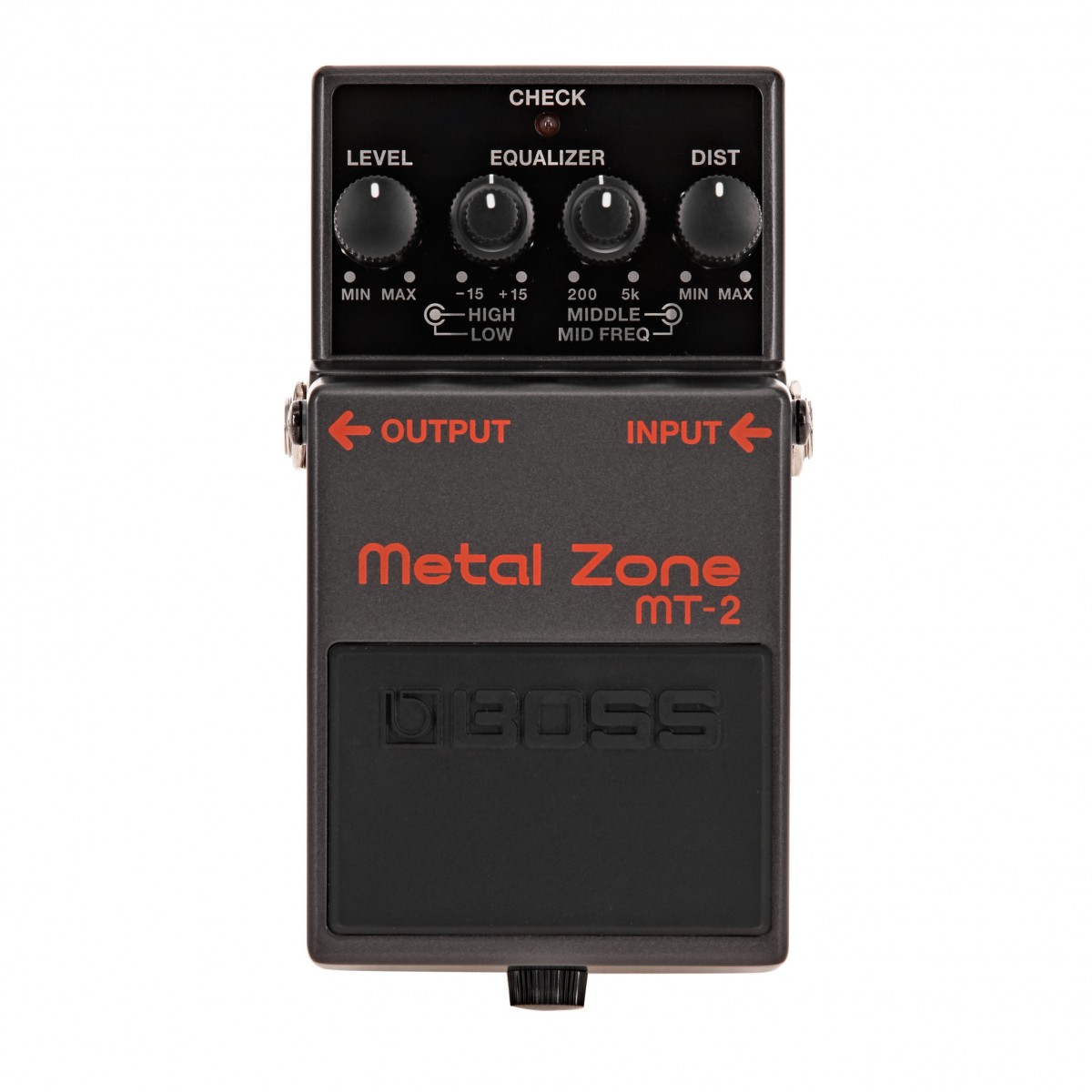
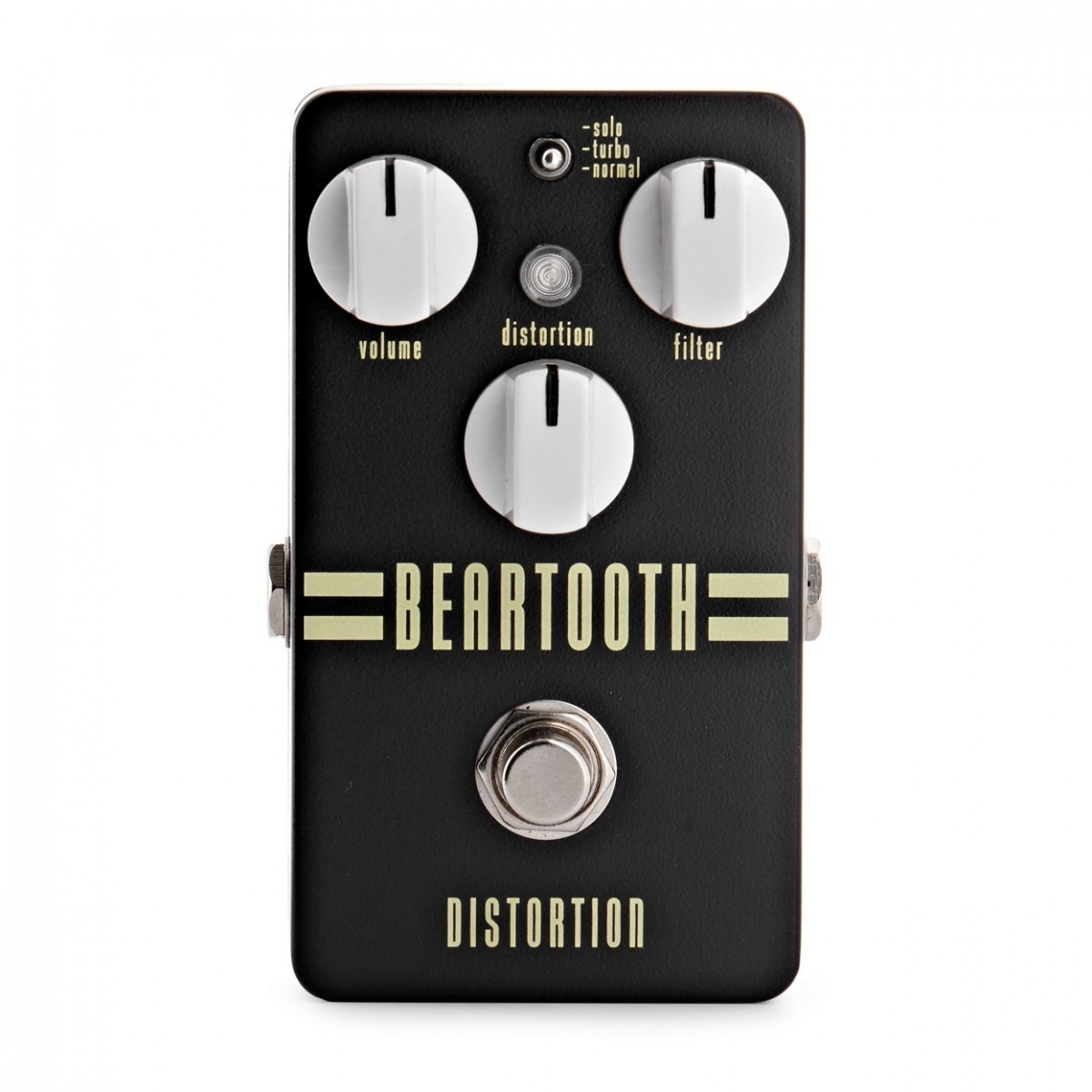
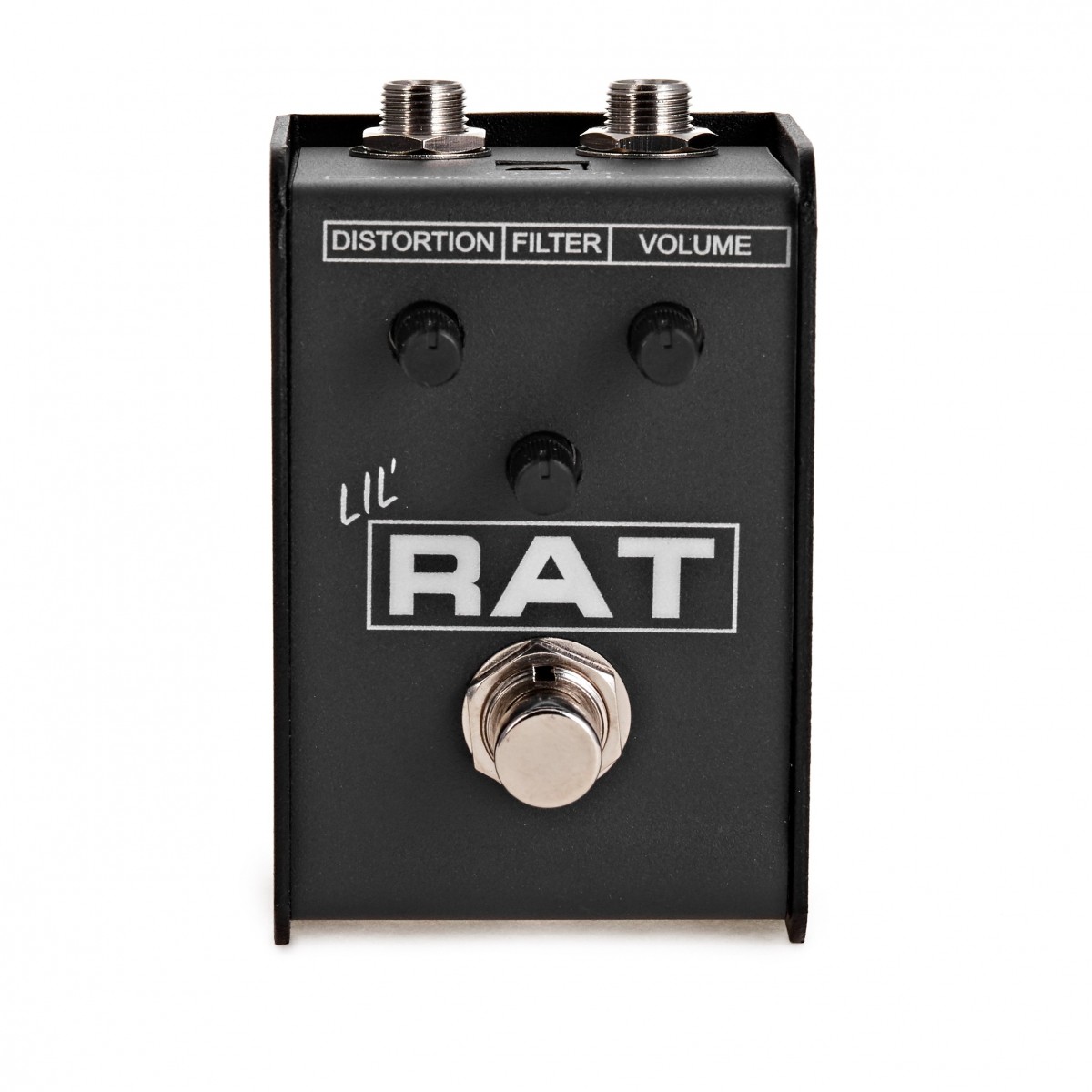
Distortion pedals deliver the raw, aggressive edge that defines rock and metal, transforming your clean tone into something powerful and full of attitude. By pushing your signal into rich harmonic saturation, they create thick, sustaining sounds that cut through any mix. From classic crunchy riffs to high-gain modern mayhem, distortion pedals give you total control over how wild or tight your tone gets. Whether you’re crafting searing leads or heavy rhythm walls, they’re an essential tool for adding energy, bite, and character to your playing.
Filter effects shape tone by allowing certain frequencies to pass through while reducing or removing others. By sweeping or adjusting the cutoff point, filters can dramatically change the character of a sound, from subtle tonal shaping to bold, expressive sweeps.
Filters are commonly used in pedals, synthesizers, and processors, often in the form of low-pass, high-pass, or band-pass designs. They are valued for their ability to create movement, focus, and texture, especially in funk, electronic, ambient, and experimental music.
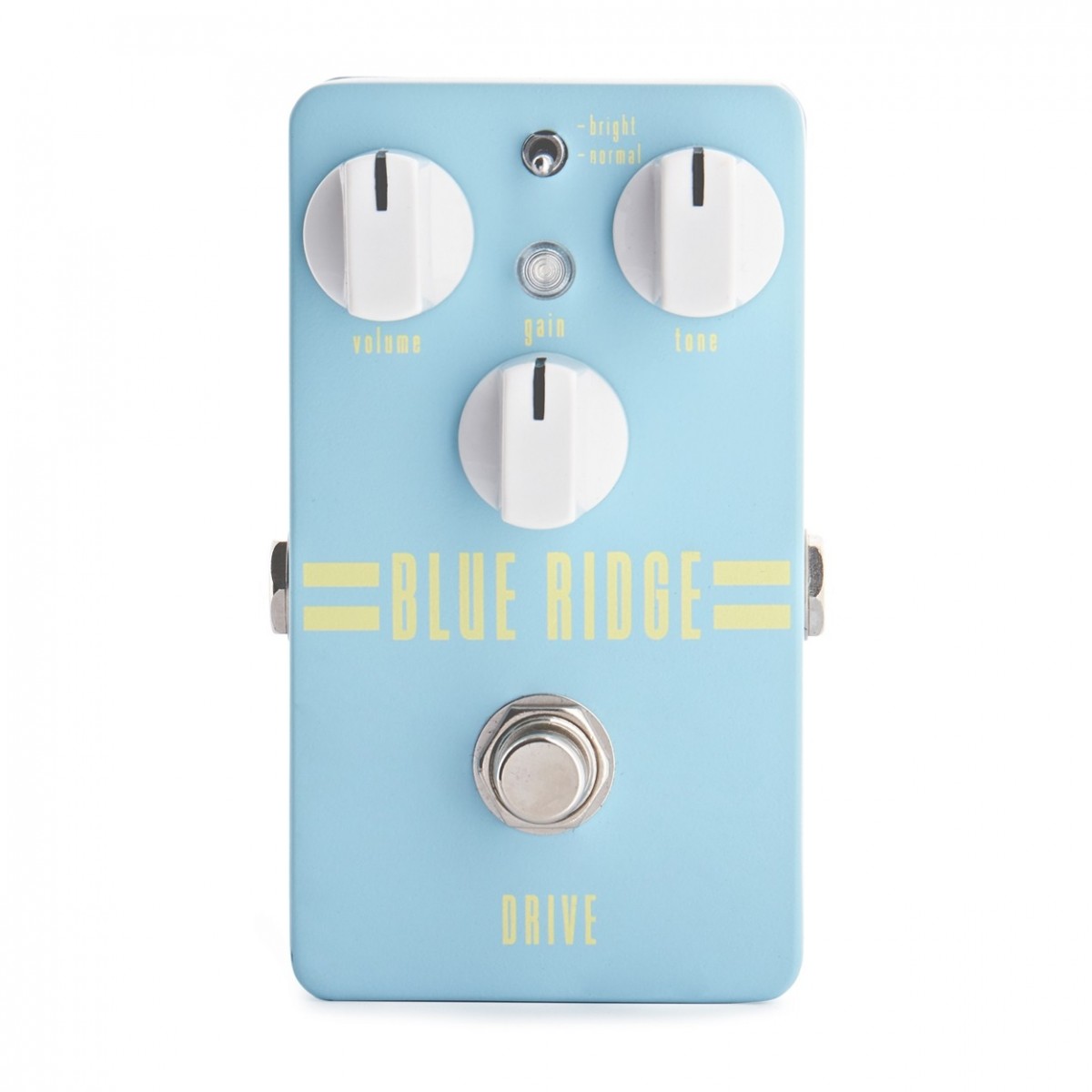
Overdrive pedals add warmth, grit, and natural compression to your tone, capturing the feel of a pushed tube amp. They respond dynamically to your playing, offering everything from a light bluesy crunch to full, saturated rock tones. Perfect for boosting solos or shaping your core sound, an overdrive pedal brings character and life to any setup. Whether you prefer vintage smoothness or modern bite, these pedals are essential for players who want expressive, touch-sensitive drive with plenty of personality.
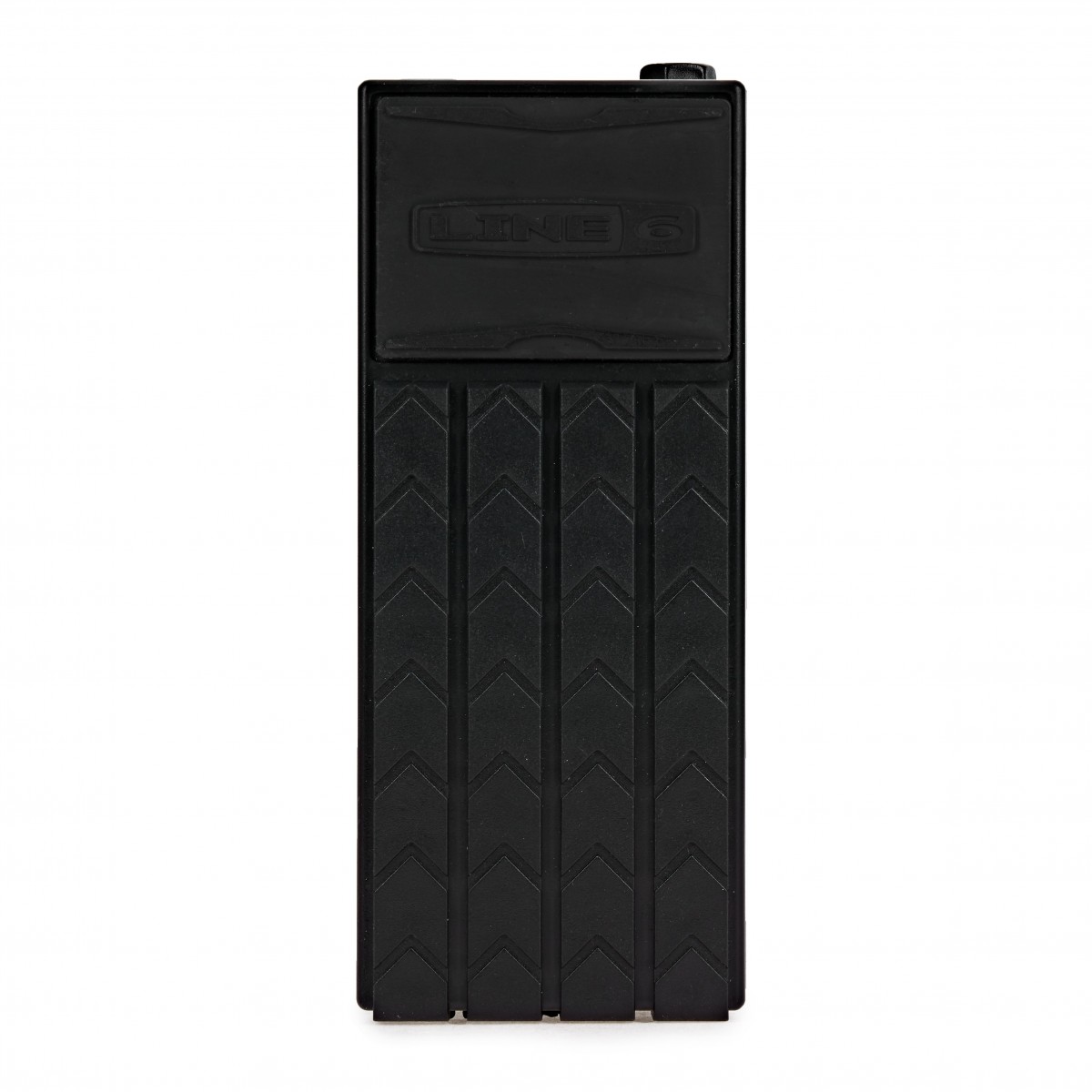
Volume controls the overall output level of a signal, determining how loud the sound is sent to an amplifier, speaker, or audio system. It affects the final signal level without directly changing the tonal character of the sound.
In guitar and audio equipment, volume is used to balance levels between instruments, pedals, and channels, and to control dynamics in live and recording environments. Adjusting volume can also influence how other components respond, particularly in analogue circuits where level affects feel and interaction.


![[Professional capo]The guitar capo is 3.2×3.1inch/82×78mm in dimension,specially designed for 6-string instrucments like acoustic guitar,electric guitar, bass, ukulele and banjo [One-Handed use]Based on the leverage princple to made,with labor saving...](https://m.media-amazon.com/images/I/51aLmMsS3KL._SL195_.jpg)